
 Call us now:


Settling an estate often means putting a defensible value on a vehicle as of a specific date. This page focuses on fair market value in the estate context — how date-of-loss valuation works and what executors and attorneys need from it. For a general, non-estate valuation, see our fair market valuation service; for court-ready probate reports, see our USPAP probate appraisals.
As a certified vehicle appraiser, I frequently assist attorneys, executors, and families who are surprised to learn how different estate valuations are from everyday vehicle pricing. In many cases, the challenge is not finding a number but finding the right number for the specific legal and financial context of an estate.
This article explains how fair market value is determined for estate vehicles, what factors matter most, and why professional appraisals are often necessary especially when classic or collector vehicles are involved.
What Fair Market Value Means in an Estate Context
Fair market value, in an estate setting, refers to the price a vehicle would reasonably sell for between a willing buyer and a willing seller, with neither being under pressure and both having reasonable knowledge of the relevant facts.
Importantly, estate valuations are typically based on a specific valuation date, such as the date of death. Because of this, fair market value for probate is not always the same as current market value.
As a result, the valuation must reflect:
- Market conditions as of the valuation date
- The vehicle’s condition at that time
- Comparable sales from the same period
This distinction is critical. Using today’s market data for a past valuation date can lead to inaccurate reporting and legal complications.
How Fair Market Value for Estate Vehicles Is Determined

Fair market value appraisals for estate vehicles rely on a structured process rather than automated pricing alone.
- Vehicle Identification and Configuration
First, the appraiser identifies the vehicle accurately, including:
- Year, make, and model
- Engine, transmission, and drivetrain
- Factory options and equipment
- Modifications or non original components
This step is especially important for older vehicles, where trim levels or drivetrains can significantly affect value.
- Condition Assessment
Condition plays a major role in estate vehicle valuation. Even small differences can have a meaningful impact on fair market value.
During this phase, the appraiser evaluates:
- Exterior and interior condition
- Mechanical status (as known or documented)
- Evidence of prior damage or restoration
- Maintenance history, if available
When inspections are not possible, condition assumptions must be clearly documented and supported.
- Market Research and Comparable Sales
Next, the appraiser analyzes comparable vehicle sales that align with:
- The valuation date
- Geographic relevance
- Similar condition and configuration
Unlike consumer pricing tools, this process involves professional judgment. Poorly matched comparables can distort value, especially in estate matters.
For additional background on how fair market value is defined in legal and tax contexts, the IRS provides a widely referenced definition here:
https://www.irs.gov/publications/p561
Why Online Pricing Tools Are Often Inadequate for Probate
Many executors begin with online pricing tools. While these can be useful for general reference, they often fall short for estate purposes.
In practice, online tools may:
- Use current data instead of date-of-death values
- Ignore condition nuances
- Exclude regional market differences
- Fail to account for rarity or collector demand
As a result, relying solely on automated pricing can expose estates to challenges or disputes later.
Special Considerations for Classic and Collector Vehicles in Estates

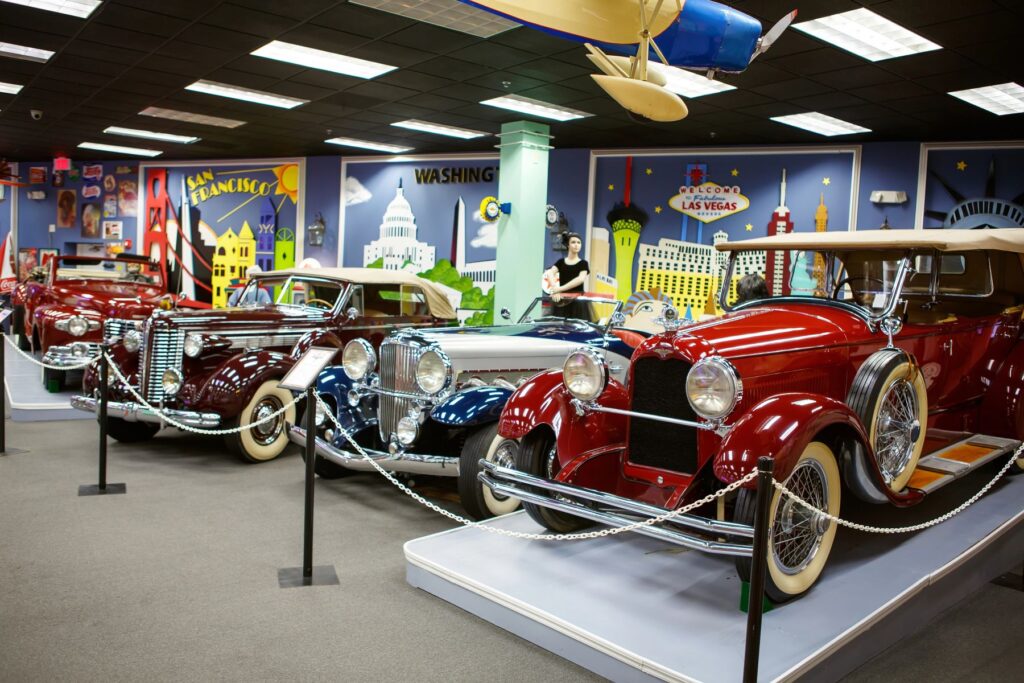
Estate vehicles are not always ordinary daily drivers. In fact, many estates include classic, collector, or specialty vehicles, which require a different valuation approach.
Classic car values are influenced by factors that standard pricing tools do not capture well, such as:
- Originality and matching numbers
- Restoration quality
- Documentation and provenance
- Collector demand at the valuation date
Because of this, classic cars often require specialized appraisal expertise.
External Classic Car Market References
For estates involving classic vehicles, credible market context is essential. Two widely respected resources in the collector car space include:
- Hagerty Valuation Tools – widely referenced for classic car market trends
https://www.hagerty.com/valuation-tools - Hemmings Marketplace & Price Guides – long-standing authority on collector vehicles
https://www.hemmings.com
These resources are often used as supplemental market context, but they do not replace a professional appraisal tailored to the estate’s needs.
Documentation and Legal Defensibility in Probate Appraisals
In probate matters, the appraisal itself may be reviewed by:
- Attorneys
- Courts
- Accountants
- Heirs or beneficiaries
For this reason, the report must clearly explain:
- The valuation date
- The valuation standard used
- The data sources relied upon
- Any assumptions or limitations
Clear documentation reduces the risk of disputes and supports smooth estate administration.
When an Independent Estate Vehicle Appraisal Is Most Important
An independent appraisal is strongly recommended when:
- The vehicle has significant value
- Heirs disagree on worth
- The vehicle is classic or collectible
- The valuation date is in the past
- Legal or tax reporting is involved
In these situations, a defensible fair market value appraisal provides clarity and reduces risk.
Need a general fair market valuation instead? See our full guide.
Final Thoughts
Determining fair market value for estate vehicles requires more than a quick price lookup. It involves understanding the valuation date, vehicle condition, market context, and when applicable, collector vehicle dynamics.
For executors and families, getting the value right the first time can prevent disputes, delays, and unnecessary stress. For attorneys and professionals, a properly prepared appraisal provides confidence that the valuation will withstand scrutiny.