
 Call us now:


Car value loss after accident is one of the most misunderstood financial consequences of a collision. Even when repairs are completed properly, a vehicle can still suffer accident depreciation simply because it now carries a damage history.
Over the past 20+ years working in automotive repair, mechanical claims inspection, and independent vehicle appraisal, I have consistently seen the same pattern. Once a vehicle is involved in an accident, the marketplace treats it differently. Buyers hesitate. Dealers discount. Online history reports influence negotiations. As a result, diminished value after accident becomes a measurable financial loss.
Let’s break down why this happens and how much value is typically affected.
Why Vehicles Lose Value After an Accident
The primary reason for car value loss after accident is market perception.
Even when structural repairs meet industry standards, a damage history appears on reporting databases. Buyers assume increased risk. Dealers reduce trade-in offers. Private buyers negotiate harder.
From a valuation standpoint, three factors drive accident depreciation:
- Severity of damage
- Type of damage (structural vs cosmetic)
- Market sensitivity to prior damage
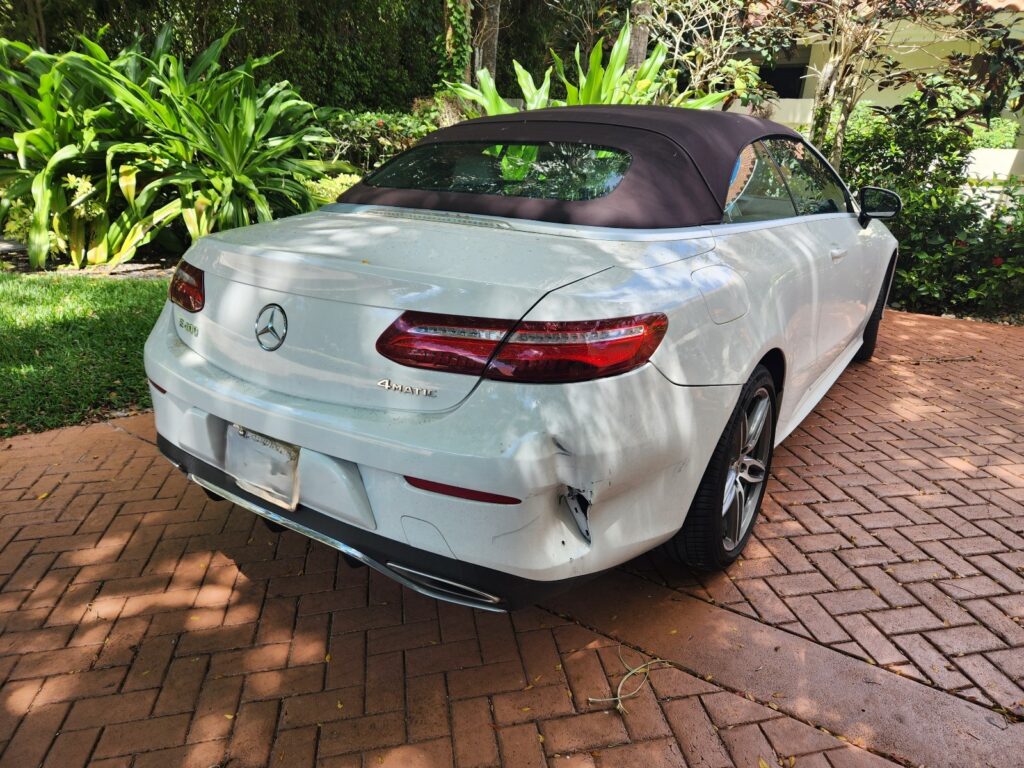
In my experience, structural repairs typically create a larger resale impact than minor cosmetic repairs. However, even moderate non-structural damage can reduce market value if the vehicle is newer, luxury, or performance-oriented.
How Much Value Does a Car Actually Lose?
There is no universal percentage. Anyone who quotes a flat formula is oversimplifying.
That said, based on real-world market data, accident depreciation often ranges between:
• 5%–10% for minor damage
• 10%–25% for moderate repairs
• 25%+ for significant structural damage
The actual diminished value after accident depends on:
• Pre-accident market value
• Repair documentation
• Mileage
• Vehicle category
• Regional market demand
A $40,000 vehicle with moderate structural damage can easily experience $4,000–$8,000 in car value loss after accident. In higher-end vehicles, the impact may be even greater.
Why Proper Repairs Do Not Eliminate Diminished Value
A common misconception is that “once repaired, the vehicle is restored to full value.”
Mechanically, repairs may restore safety and function. However, market psychology does not reset.
Dealers routinely adjust trade-in values based on accident history. Auction data reflects lower selling prices for vehicles with prior damage disclosures. Private buyers use history reports as leverage.
Therefore, diminished value after accident reflects marketplace behavior, not repair quality.
The Difference Between Depreciation and Diminished Value
Normal depreciation happens over time. Every vehicle loses value with age and mileage.
Accident depreciation is separate. It represents the measurable reduction in resale value caused specifically by the collision.
This loss exists even if:
• Repairs are performed correctly
• The vehicle drives normally
• No mechanical issues remain
In Florida, diminished value is recognized as part of a property damage claim under certain conditions. For a detailed legal explanation, see our Florida diminished value law guide.
If you want to understand how Florida handles diminished value claims and what qualifies, read our in-depth guide:
👉 https://www.auto-praise.com/florida-diminished-value-law/
How Diminished Value Is Calculated
There is no single industry-approved formula.
Professional diminished value analysis typically includes:
• Pre-loss market valuation
• Post-repair market analysis
• Comparable vehicle sales
• Auction data review
• Damage severity assessment
• Structural impact evaluation
A proper calculation is market-based, not arbitrary.
If your vehicle was recently repaired and you are unsure how much value it lost, you may need a certified diminished value appraisal.
Learn more about our independent appraisal services here:
👉 https://www.auto-praise.com/diminished-value-appraisal/
When Should You Consider a Diminished Value Claim?
You should consider evaluating diminished value after accident if:
• Your vehicle is less than 10 years old
• It had low mileage before the accident
• Structural repairs were performed
• You plan to sell or trade the vehicle
• You received a repair settlement but no value compensation
The sooner the loss is documented, the easier it becomes to support a claim.
If you are preparing to move forward, my step-by-step diminished value claim guide explains the documentation and process required to properly support your claim.
Real-World Example
In a recent appraisal handled by Auto Praise, a 2021 Lexus RX350 with a pre-accident market value near $35,000 sustained moderate structural damage. Although repairs met industry standards, comparable post-repair sales showed consistent reductions between $6,500 and $8,000 compared to clean-history vehicles.
The diminished value was not theoretical. It was supported by documented market data.
This pattern repeats consistently across different vehicle categories.
How to Document Car Value Loss After Accident
To properly support diminished value:
- Obtain full repair invoices
- Secure photos of damage before and after repair
- Confirm structural involvement
- Review market comparables
- Obtain an independent appraisal when appropriate
An experienced appraiser evaluates the vehicle from both a technical and market perspective.
Free Florida Diminished Value Claim Review
If your vehicle was involved in an accident in Florida, you may be entitled to compensation for diminished value.
Speak directly with a certified independent appraiser to determine how much your vehicle may have lost in market value.
Call 754-210-9807 for a no-obligation Florida claim evaluation.
Call 754-210-9807
Does every accident reduce a car’s value?
Not every accident creates measurable diminished value. Minor cosmetic repairs on older vehicles may have minimal market impact. Newer vehicles typically experience greater accident depreciation.
Is diminished value the same as normal depreciation?
No. Normal depreciation occurs over time. Diminished value after accident reflects additional loss caused by collision history.
Can diminished value exist even if repairs look perfect?
Yes. Market data shows that buyers and dealers discount vehicles with prior damage history, regardless of repair quality.
How soon should diminished value be evaluated?
Ideally shortly after repairs are completed. Early documentation strengthens the claim.
Is there a standard formula for calculating diminished value?
No universal formula applies to every case. Proper analysis relies on market comparisons and professional appraisal methodology.