Diminished Value Education

What Is Diminished Value After a Car Accident?

Diminished value is the loss in a vehicle’s resale value after an accident, even if the car has been properly repaired. Understanding how diminished value works can help you recognize when a vehicle may be worth less on the open market.

  • Definition explained clearly
  • Accident-related value loss
  • When appraisal may matter
Diminished Value Explained — Quick Overview
  • Diminished value is the loss in a vehicle’s resale value after an accident, even when repairs are completed properly.
  • Most diminished value claims are pursued against the at-fault driver’s insurance company as part of a property damage claim.
  • Newer vehicles, luxury vehicles, and vehicles with structural damage often experience the largest measurable losses.
  • The amount of diminished value depends on factors such as damage severity, repair quality, vehicle age, mileage, and market perception.
  • A professional diminished value appraisal can help document the vehicle’s post-repair loss in market value for insurance negotiations.

What Is Diminished Value?

Diminished value is the loss in a vehicle’s market resale value after it has been involved in an accident, even when repairs are completed properly. Because buyers often pay less for vehicles with accident history reports, the vehicle’s post-repair value may be measurably lower than its value before the collision.

Diminished value claims are usually resolved through insurance negotiations with the at-fault driver's insurer, rather than through lawsuits. The purpose of a diminished value claim is to recover the difference between the vehicle’s pre-accident market value and its value after repairs are completed.

Even high-quality repairs cannot erase a vehicle’s accident history. Vehicle history reports, dealership trade-in evaluations, and buyer perception often reduce what a previously damaged vehicle can sell for in the open market. This difference in market perception is what creates diminished value.

Understanding how diminished value works helps vehicle owners determine whether they may be entitled to recover lost value through the responsible driver’s insurance policy and whether a professional diminished value appraisal may help support that claim.

Why Cars Lose Value After an Accident

Cars often lose resale value after an accident because buyers, dealerships, and appraisers view vehicles with recorded damage history as higher-risk assets. Even when repairs restore appearance and drivability, the fact that a collision occurred can still reduce what the vehicle is worth in the open market.

One of the biggest reasons is visibility. Accident history can appear on vehicle history reports such as CARFAX or AutoCheck, which means future buyers may immediately see that the car was previously damaged. That record can create hesitation, lower buyer confidence, and reduce trade-in or resale offers.

  • Accident history reports can permanently affect how the vehicle is perceived
  • Buyer hesitation often leads to lower resale offers, even after proper repairs
  • Dealership trade-in values are commonly reduced when prior damage appears on record
  • Structural or significant repairs may increase market resistance even further

This difference between a vehicle’s pre-accident market value and its post-repair market value is what creates diminished value. In many cases, the loss is not caused by poor repair work, but by the market stigma attached to a vehicle with an accident history.

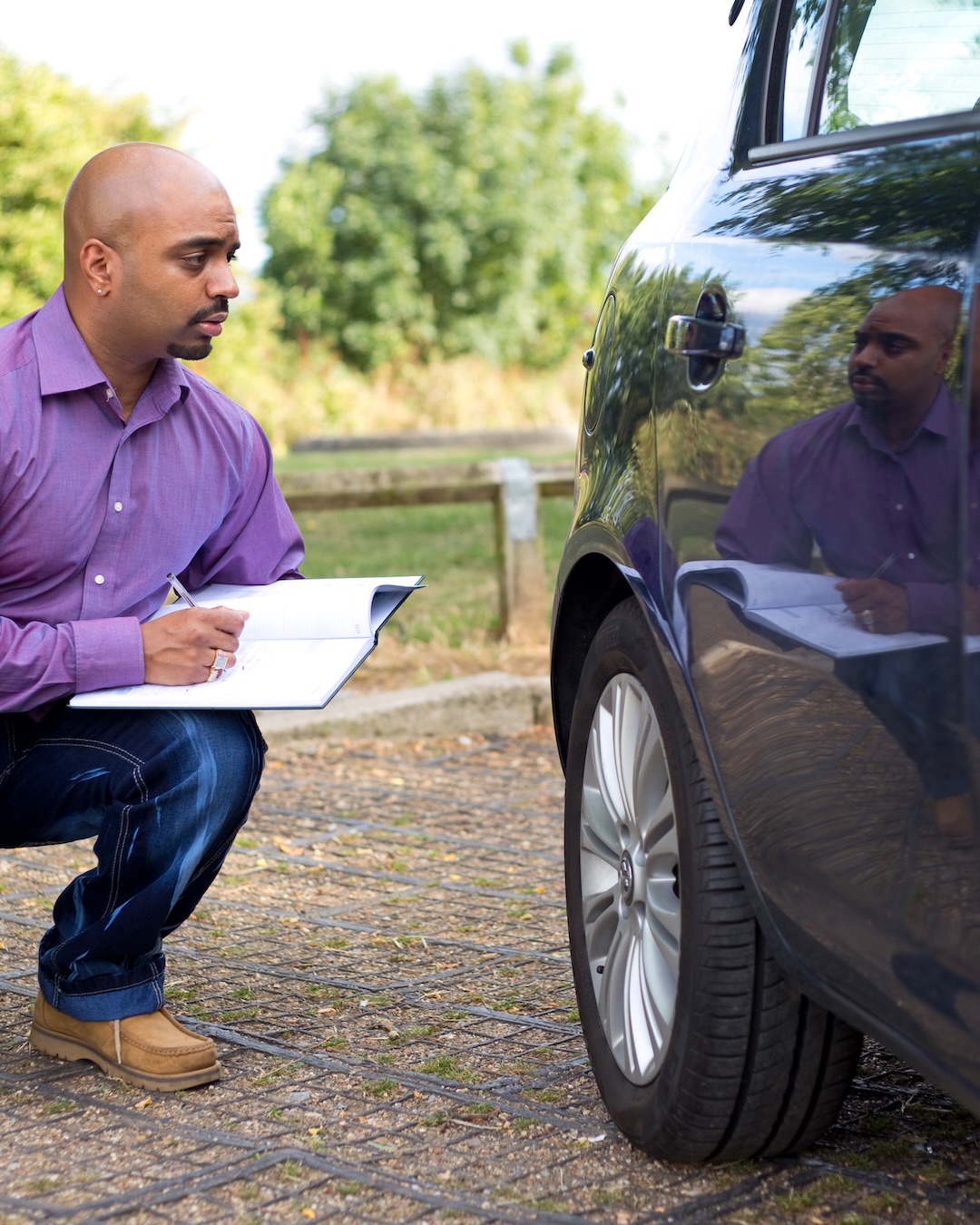
vehicle inspector examining car damage to assess diminished value

Types of Diminished Value

Diminished value is generally divided into three categories: inherent diminished value, repair-related diminished value, and immediate diminished value. In most real-world insurance claims, inherent diminished value is the most common and most important type because it reflects the loss caused by accident history alone, even when repairs are completed properly.

Repair-Related Diminished Value

Repair-related diminished value occurs when the quality of the repair itself causes additional loss in value. Examples may include mismatched paint, poor panel alignment, visible cosmetic defects, or unresolved structural concerns that affect buyer confidence.

This type of loss is tied to the repair outcome, not just the accident history.

Immediate Diminished Value

Immediate diminished value refers to the difference in a vehicle’s market value immediately after an accident, before any repairs are made. While it is a recognized concept, it is used less often in everyday claims because most valuation disputes focus on post-repair loss.

In practice, immediate diminished value is usually less central than inherent diminished value.

When Diminished Value Claims Apply

Diminished value claims typically apply when a vehicle is damaged in an accident caused by another driver and the vehicle’s resale value is reduced even after repairs are completed. In most cases, the claim is pursued against the at-fault driver's insurance company as part of a property damage settlement.

These claims are most commonly associated with third-party insurance claims, where the responsible driver’s insurer is required to compensate the vehicle owner for measurable financial loss caused by the accident. Because accident history can affect resale value even after proper repairs, diminished value may be considered part of the total property damage.

  • The accident was caused by another driver whose insurance policy covers property damage
  • The vehicle sustained documented damage that required repair
  • Repairs were completed but the vehicle now carries accident history
  • The market resale value is measurably lower than the vehicle’s value before the collision

While every claim depends on specific facts and insurance policy terms, diminished value is most often pursued after repairs are completed and the full impact on the vehicle’s market value can be evaluated through professional appraisal.

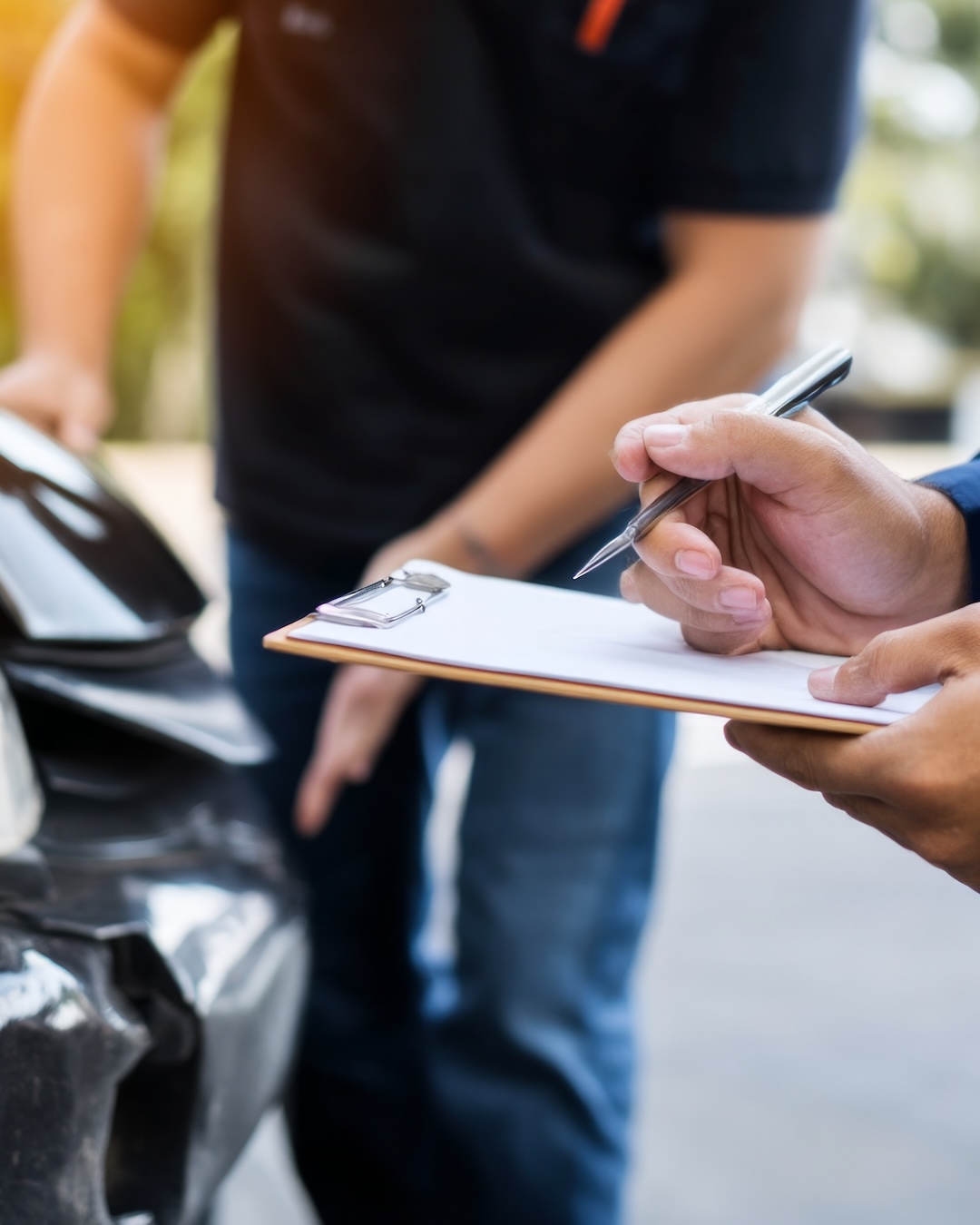
insurance adjuster documenting vehicle damage for diminished value claim

How Diminished Value Is Calculated

Diminished value is typically calculated by comparing a vehicle’s market value before an accident to its market value after repairs are completed. The analysis is based on real-world resale factors, not just the fact that damage occurred.

In practice, appraisers evaluate how accident history affects what buyers and dealerships are willing to pay in the current market. The most important factors usually include the vehicle’s pre-accident value, the severity of damage, the type of repairs performed, and the level of market resistance associated with that vehicle after a collision.

1

Pre-Accident Market Value

The starting point is the vehicle’s fair market value immediately before the collision, based on condition, mileage, features, and local market demand.

2

Severity of Damage

Heavier damage usually creates greater resale resistance. Structural damage, airbag deployment, and major panel replacement often have a stronger impact than minor cosmetic issues.

3

Type and Quality of Repairs

Appraisers consider whether repairs were cosmetic or structural, as well as whether the vehicle appears properly restored. Poor repair quality can increase diminished value further.

4

Age and Mileage

Newer, lower-mileage vehicles often experience more measurable diminished value because buyers expect them to be clean-history vehicles and are more sensitive to accident records.

5

Vehicle Desirability

Make, model, trim, and market demand all matter. Luxury vehicles, performance cars, and newer specialty vehicles are often more affected by accident stigma than older commuter vehicles.

6

Buyer Stigma and Market Resistance

Even after proper repairs, accident history can reduce buyer confidence. That hesitation often leads to lower offers, reduced trade-in values, and measurable post-repair loss.

While some insurers rely on simplified formulas such as 17c, a professional diminished value appraisal is typically based on actual market behavior, not an arbitrary preset calculation. The goal is to measure what the vehicle has truly lost in resale value after the accident.

Best Candidates for a Diminished Value Claim

Not every accident leads to meaningful diminished value. The strongest claims usually involve vehicles where buyers are particularly sensitive to accident history and resale value.

Vehicles that are newer, higher value, or structurally damaged often experience the most measurable loss in resale value after a collision. In these situations, documenting diminished value through a professional appraisal can help support negotiations with the at-fault driver’s insurance company.

Newer Vehicles

Vehicles only a few years old tend to suffer the greatest diminished value because buyers expect them to have clean history reports.

Luxury and Performance Vehicles

Premium brands, performance models, and specialty vehicles often experience stronger resale stigma after accidents.

Low-Mileage Vehicles

Vehicles with unusually low mileage for their age are often valued more highly, making accident history more impactful.

Structural Damage Cases

Damage involving the frame, unibody structure, or safety components usually results in greater market resistance.

No Prior Accident History

A vehicle with a previously clean history report may experience a larger drop in value after its first reported accident.

Higher Value Vehicles

The more valuable the vehicle, the greater the potential financial loss when resale value is reduced.

Determining the true amount of diminished value requires analyzing real market behavior, vehicle condition, and accident documentation. A professional appraisal helps organize this evidence and can provide a clear, supportable valuation when negotiating with insurance companies.

Unsure Whether Your Vehicle Qualifies for Diminished Value?

Determining whether a vehicle has experienced measurable diminished value often requires reviewing the accident details, repair documentation, and the vehicle’s market history. A professional appraisal can help clarify the potential loss and provide support when negotiating with the at-fault driver’s insurance company.

Speak with an appraiser at (754) 210-9807 or learn more about our diminished value appraisal services .

Get Your Free Consultation Today

Email

info@auto-praise.com