
 Call us now:

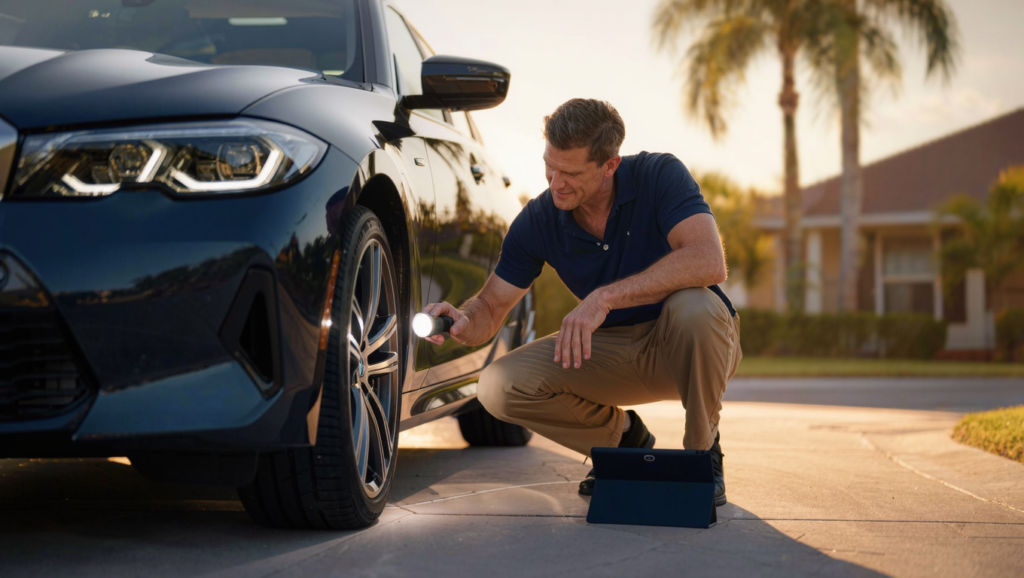
An independent auto appraiser inspects vehicles and determines value without any financial tie to an insurer or dealership. The work covers total loss disputes, diminished value claims, pre-purchase inspections, and classic car valuations. The job looks different every day. Some days start with a field inspection in a driveway or a repair shop. Other days go toward building a valuation report from comparable sales data. Many days also involve explaining findings to an attorney or to a vehicle owner mid-dispute with an insurer. What ties it all together is independence. Every appraisal has to hold up on its own, without an insurer’s or a dealership’s interest shaping the number.
TL;DR: An independent auto appraiser inspects vehicles, documents damage and value, and writes reports that hold up in disputes. None of this work ties back financially to an insurer or a dealership. Field inspections and desk-based documentation make up most of the job. That independence is what gives the report weight once someone contests a claim. If you’re evaluating whether you need one, our services overview covers where this fits.
What Is an Independent Auto Appraiser?
A licensed independent auto appraiser determines a vehicle’s value or condition. This appraiser doesn’t work for, or take payment from, an insurance company, dealership, or repair shop. Independence is the defining feature here: no party’s interest shapes the number, whether that party wants it higher or lower.
That distinction matters most once someone disputes a claim. An insurer’s own desk adjuster and an independent vehicle appraiser can both value the same car. Only one of them, though, has no stake in which direction that value lands.
What Does an Auto Appraiser Do All Day?
What does an auto appraiser do all day, in practice? Field time and desk time split the work fairly evenly. Field time means inspecting vehicles in person. Desk time means building the documentation and researching comparable sales. The job also includes writing the report that turns an inspection into a number someone can rely on.
A typical week mixes scheduled inspections at a body shop, a client’s driveway, or a storage facility. The week also includes blocks of time for pulling comparable sales, cross-checking VIN-specific options, and writing up findings. A morning inspection on a repaired sedan often leads into an afternoon spent tracking down comparable sales for a low-mileage trim that a generic search won’t surface. Then comes an hour on the phone, walking a client through what the numbers mean for their claim. No two days look identical. The vehicle, the claim type, and the documentation each case needs all vary.
Inspecting Vehicles: The Hands-On Core of the Job
You can’t do the inspection itself from a desk. It means verifying VIN, mileage, trim, and options against the vehicle in front of you. It also means documenting panel condition, structural integrity, and repair quality with photographs and measurements.
Our own inspection checklist shows how detailed this gets. It covers panel gap measurements, paint depth readings where relevant, and OEM part verification against the repair invoice. It also includes a structural check that goes beyond what a visual walk-around alone would catch. Skipping any of these steps is exactly how an appraisal turns into an opinion instead of a documented finding.
A repaired vehicle needs an extra check: comparing the actual repair against what the invoice claims the shop did. A panel can look correctly aligned from three feet away and still show a measurable gap variance once you apply a gauge. Likewise, a repair invoice listing OEM parts doesn’t confirm the shop actually installed them without a physical check. Photographs alone can’t substitute for this part of the job.
Documenting Damage, Value, and Market Data
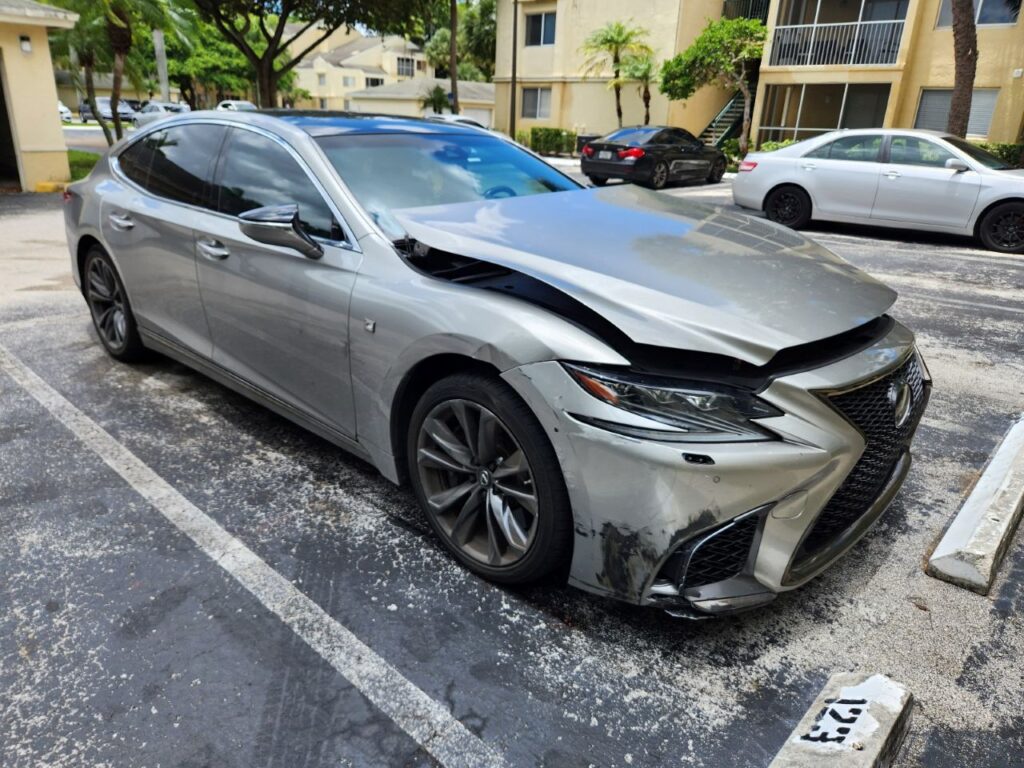
Documentation is what separates an appraisal from an estimate. The appraiser records the vehicle’s condition and sources comparable sales data specific to the make, model, trim, and region. From there, the report shows the reasoning, not just a final number.
Comparable-sales research is often the most time-consuming part of the job. A well-optioned or low-mileage vehicle needs a comparable set that actually reflects those traits, not a generic model-line average. Finding that data usually takes longer than the inspection itself. A vehicle with a factory-order trim or a low-production package, for example, often has no direct comparable within the standard search radius. That gap means widening the search geographically, or decoding the build sheet to find genuinely equivalent vehicles instead of settling for the closest match.
Working With Insurance Companies, Attorneys, and Vehicle Owners
An independent auto appraiser routinely works with three different audiences on the same case. The vehicle owner needs the finding explained in plain terms. The insurance company may dispute it. Sometimes an attorney needs the report formatted for use in a legal proceeding.
Each audience needs something slightly different from the same underlying work. An owner wants to understand what the number means for their claim. An insurer’s adjuster wants to see the methodology hold up. An attorney needs a report that a court can accept as evidence without extra testimony to explain how the appraiser reached it. That’s why report formatting matters as much as the inspection itself in cases headed toward litigation or a formal appraisal clause demand.
Why “Independent” Matters: No Ties to Insurers or Dealerships
“Independent” isn’t a marketing term here. It’s a structural fact about who pays the appraiser, and what happens to that payment regardless of the outcome. This appraiser earns a fee for the appraisal itself, not for producing a number that favors either side of a dispute.
That structure lets an owner use the finding against an insurer’s own valuation in a dispute. An adjuster employed by the insurer has, at minimum, the appearance of an incentive to keep settlements lower. An appraiser working directly for the vehicle owner carries no such conflict. That distinction is often the first thing an attorney or an owner checks before deciding whose number to trust in a contested claim.
Independent Vehicle Appraiser vs. an Insurance-Employed Adjuster
An independent vehicle appraiser and an insurance company’s staff adjuster can land on very different numbers for the same vehicle. That difference usually traces back to who each one works for, and what data each one used to get there.
| Factor | Independent Vehicle Appraiser | Insurance-Employed Adjuster |
| Who they work for | The vehicle owner or their attorney | The insurance company |
| Financial tie to outcome | None | Employed by the party paying the claim |
| Comparable sales source | Independently sourced, vehicle-specific | Often internal software, less vehicle-specific |
| Report format | Built for dispute, documented methodology | Internal claims file, not always detailed |
Looking for a Diminished Value Appraiser Near You? What Auto Praise Brings to the Table
If you’ve searched “diminished value appraiser near me,” what should actually matter is documentation, not just proximity: a report that sources comparable sales specific to your vehicle and holds up if your insurer disputes the number. Location determines convenience for the inspection itself, but it says nothing about whether the resulting report can withstand a challenge.
Our appraisals follow a documented methodology built around exactly the process described above: an in-person inspection, independently sourced comparable sales, and a report format designed to be defensible rather than just informative.
An independent auto appraiser’s day looks different depending on the case, but the throughline stays the same: inspect, document, and produce a number that can stand up to scrutiny from an insurer, a court, or the vehicle owner asking how the figure was reached.
Get a Diminished Value Appraisal
If your vehicle lost value after an accident, an independent auto appraiser can document that loss with a defensible, USPAP-aligned valuation, whether you’re just starting to look into it or already mid-dispute with your insurer.
Frequently Asked Questions
How much does an independent auto appraiser cost?
Costs vary by claim type and vehicle complexity, but an independent appraisal is typically a flat fee paid directly by the client rather than the insurer. Ask for a quote based on your specific vehicle and claim type before booking.
How long does an independent vehicle appraisal take?
The inspection itself usually takes under an hour, but the full report, including comparable sales research and documentation, typically takes several business days depending on the complexity of the claim.
Do I need an independent appraiser if my insurer already inspected the car?
An insurer’s inspection reflects their own valuation, which may not account for your vehicle’s specific trim, condition, or regional market. Searching “diminished value appraiser near me” is a reasonable starting point, but an independent appraisal gives you your own documented number to compare against theirs, regardless of who happens to be closest.
Can an independent auto appraiser testify in court?
Some can, depending on the appraiser’s credentials and the report’s format. A report built to be court-admissible from the start is more useful here than one produced only for internal insurer use.
Is an independent auto appraiser the same as a mechanic?
No. A mechanic evaluates mechanical condition and repair needs, while an independent auto appraiser evaluates value, which draws on inspection findings but focuses on market data and documentation rather than repair work itself.
What certifications should an independent auto appraiser have?
Look for ASE or IAAI-level certification and USPAP-aligned appraisal training, since these indicate the appraiser follows a recognized inspection and reporting standard rather than an informal process.
Can I use an independent appraisal to challenge my insurer’s total loss offer?
Yes. An independent appraisal documenting a higher actual cash value is one of the more common ways owners support a total loss dispute, particularly when invoking a policy’s appraisal clause.