
 Call us now:

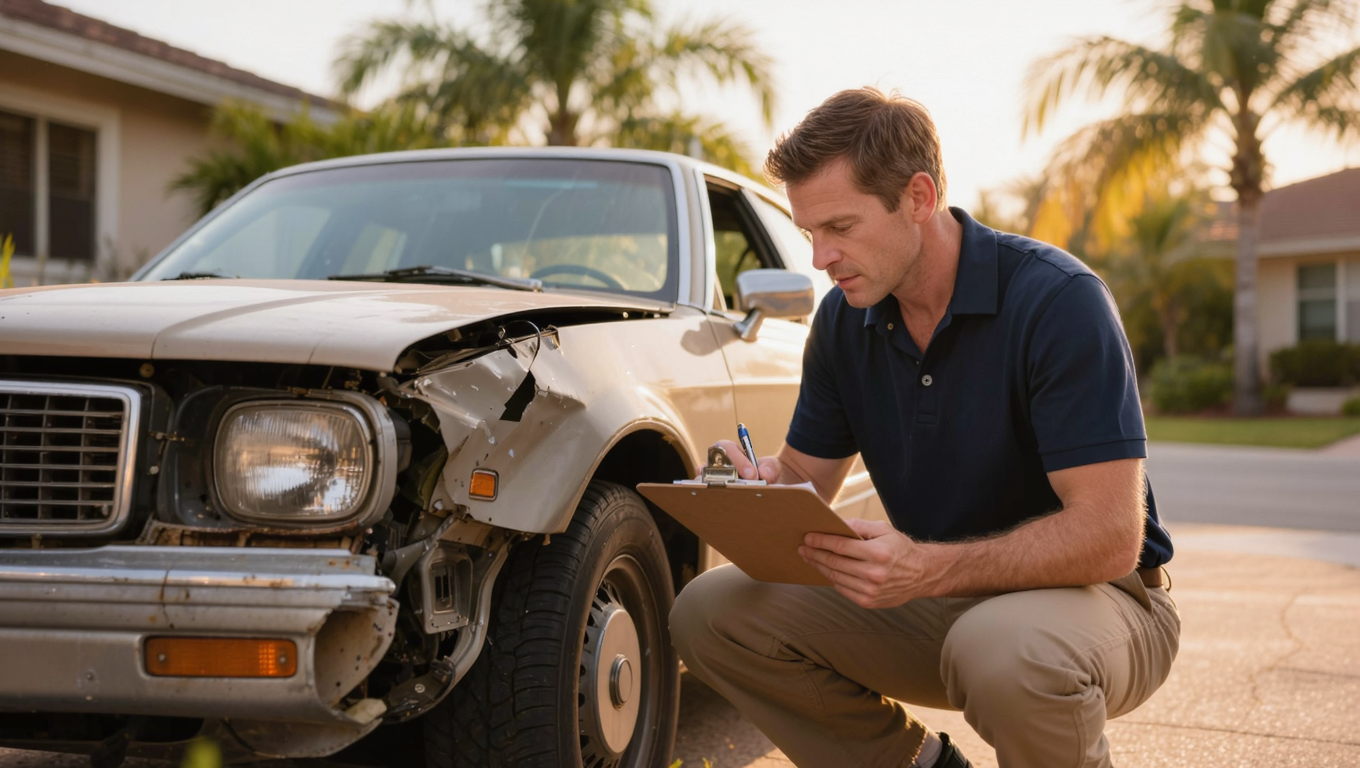
An older vehicle can still qualify for a loss of value claim after an accident. Age is a real factor in that answer, though, not just a detail. For a typical vehicle that depreciates over time, roughly ten years is where most of the available value has usually gone already. The exception is a high-dollar or collector vehicle that holds or gains value over time instead of depreciating. For that kind of vehicle, age by itself says very little about whether a claim is worth pursuing.
TL;DR: For most vehicles, roughly ten years is the practical cutoff for a loss of value claim. That’s typically where a standard vehicle’s depreciation curve has already used up most of the value there was to lose. High-dollar and collector vehicles that appreciate rather than depreciate are the exception, and age alone doesn’t rule them out. If you’re unsure which category your vehicle falls into, filing a claim for your car’s lost value starts with establishing its actual pre-accident value.
The Common Assumption: “My Car Was Already Old, So There’s Nothing Left to Lose”
Many owners assume an older vehicle has depreciated so much already that an accident can’t meaningfully reduce its value further. That assumption treats depreciation as if it flattens out completely. In most cases, though, a vehicle still has real, documented market value even well past its steepest depreciation years.
The assumption is understandable, since the biggest drop in value happens early in a vehicle’s life. But “less remaining value” isn’t the same as “no remaining value.” A loss of value claim doesn’t require the vehicle to have been worth a lot before the accident. It only requires value that measurably dropped because of it.
Diminished Value Claim or Not: What Actually Determines Eligibility
Eligibility for a diminished value claim depends on three things. The vehicle had a real pre-accident market value. That value dropped as a documented result of the accident. And the drop can be shown through comparable sales or professional appraisal, not just assumed. Age isn’t a fourth, separate test, but in practice it’s a strong stand-in for the first one. Most standard vehicles have run through the bulk of their depreciation by around the ten-year mark. That’s why age works as a real, practical cutoff for most claims, even though the underlying question is always about value, not year.
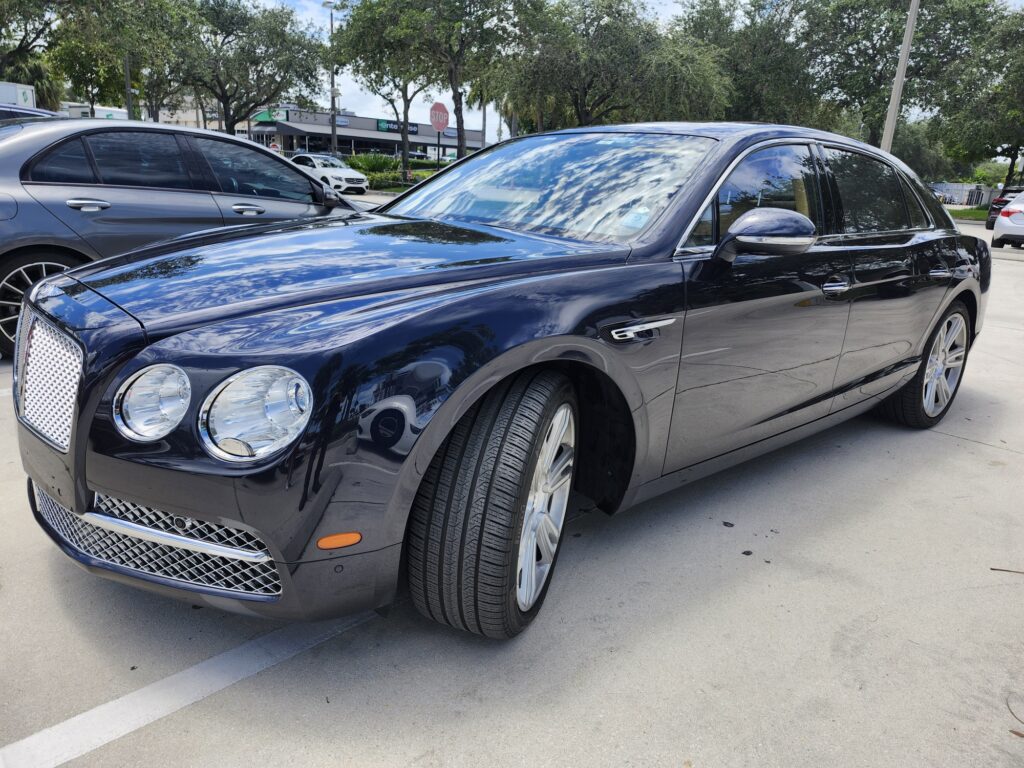
A vehicle with an active resale market for its make, model, and trim typically has enough pre-accident value. That holds even for an older one, making the claim worth investigating. For most vehicles, though, that active resale market has usually thinned out a lot by around ten years old. That’s exactly why the age guideline and the value question tend to point to the same answer. The clearest exception is a high-dollar or collector vehicle appreciating in value over time instead of depreciating. The normal age guideline doesn’t apply there.
Does Mileage Affect a Loss of Value Claim on an Older Vehicle?
Mileage affects a loss of value claim by shaping the vehicle’s pre-accident market value, which in turn shapes how much value there was to lose. A high-mileage older vehicle typically has a smaller remaining value base than a low-mileage example of the same age. That can mean a smaller diminished value figure, not an ineligible claim.
The relationship isn’t purely linear, though. A well-maintained, lower-mileage older vehicle can hold real value in a market with steady demand for that model. The diminished value figure stays meaningful in that case. Two vehicles of the same age, with different mileage and condition histories, can land in very different places on the same claim type.
Does a Decrease of Vehicle Value Due to Its Age Cancel Out an Accident Claim?
A decrease of vehicle value due to its age doesn’t cancel out an accident claim. Normal age-related depreciation and accident-related diminished value are two separate things, measured against different baselines. Age-related depreciation is expected, and it’s already built into the vehicle’s pre-accident value. Diminished value measures the extra drop the accident itself caused.
Confusing the two is a common source of disputes. An insurer might point to the vehicle’s age as a reason to minimize or deny the claim. But the real comparison isn’t the car’s value new versus its value now. It’s the car’s value right before the accident versus its value right after, with age-related depreciation already priced into both sides.
When an Older Vehicle Accident Claim Is Still Worth Pursuing
An older vehicle accident claim is generally worth pursuing under three conditions. The vehicle had meaningful pre-accident value. The accident caused visible or structural damage a future buyer would notice. And comparable sales data exists to document the value gap. Structural damage in particular tends to support a stronger claim regardless of the vehicle’s age, since it raises the kind of concern a buyer or appraiser weighs heavily.
A vehicle with steady demand, documented service history, and a repair that’s now part of its permanent accident record is usually a reasonable candidate. This holds up to around ten years old. Past that point, a standard vehicle needs to be the exception, a high-dollar or collector model appreciating in value. Only then does the math still work in the owner’s favor.
When It May Not Be Worth Pursuing, and Why That’s Okay to Know Upfront
A claim may not be worth pursuing in a few cases. The vehicle’s pre-accident market value may have already been low. Comparable sales data may be too thin for a credible baseline. Or the damage may have been purely cosmetic, unlikely to affect a buyer’s perception. Knowing this upfront saves time and sets realistic expectations before filing.
This isn’t a discouraging finding, it’s a useful one. How much value a car loses after an accident depends heavily on what the car was worth beforehand. An honest look at that starting point is what separates a claim worth the effort from one that likely isn’t, before either side spends time on it.
How an Independent Appraisal Answers This Question for Your Specific Vehicle
An independent appraisal answers the eligibility question directly by establishing the vehicle’s actual pre-accident market value using comparable sales specific to its make, model, trim, mileage, and condition, then documenting how the accident affected that value. That data-driven approach replaces guesswork about whether an older vehicle “still has value to lose.”
We approach older vehicles the same way we approach any other appraisal: source the comparable sales that actually exist for that specific vehicle, document the accident’s effect on value against that baseline, and report a figure that holds up whether it’s large or small. Sometimes that process confirms a meaningful claim; sometimes it confirms there isn’t much value left to document, and knowing which one applies to your vehicle is the actual point of the appraisal.
For most vehicles, age is a legitimate practical signal, and roughly ten years is where a loss of value claim usually stops making financial sense. What the appraisal actually confirms is whether your vehicle is the exception, a high-dollar or collector model where value is holding or climbing instead of falling, a question best answered with comparable sales data specific to your vehicle rather than an assumption based on the model year alone.
Find Out What Your Older Vehicle Is Worth
Age alone doesn’t rule out a loss of value claim. Auto Praise can establish your vehicle’s actual pre-accident value with comparable sales specific to its make, model, and condition, so you know whether a claim is worth pursuing before you file.
Frequently Asked Questions
Is there an age cutoff after which a vehicle can’t file a diminished value claim?
For most vehicles, yes, in practice. Roughly ten years is the point where a typical depreciating vehicle has usually lost most of the value there was to claim. The exception is a high-dollar or collector vehicle appreciating in value over time, where the ten-year guideline doesn’t apply and eligibility comes down to documented market value instead.
Does a car need to be paid off to file a loss of value claim?
No. The party with a financial interest in the vehicle’s value, owner, lienholder, or lessee depending on the agreement, generally has standing to pursue a claim regardless of loan payoff status.
How is pre-accident value determined for an older vehicle?
Pre-accident value is typically established using comparable sales data for the same make, model, trim, mileage range, and condition in the relevant market, rather than a generic depreciation schedule.
Does a salvage or rebuilt title affect eligibility for a loss of value claim?
It can significantly reduce the vehicle’s pre-accident market value, since a branded title already carries a value discount before any new accident occurs, which in turn limits how much additional value there is to lose.
Can a classic or collector vehicle qualify for a loss of value claim despite its age?
Yes, and this is the main exception to the roughly ten-year guideline that applies to most vehicles. A collector or high-dollar vehicle that’s appreciating in value rather than depreciating can carry a stronger claim than a typical older vehicle, since its value is tied to condition and provenance rather than a standard depreciation curve.
What documentation helps support an older vehicle’s diminished value claim?
Comparable sales for similar vehicles without accident history, the vehicle’s service and condition records, and a professional appraisal establishing pre-accident value all strengthen a claim beyond a bare assertion of loss.
Should I get an appraisal before filing, or after the insurer responds?
Getting an independent appraisal before filing gives you your own documented figure to compare against the insurer’s response, rather than reacting to their number without an independent baseline of your own.