
 Call us now:

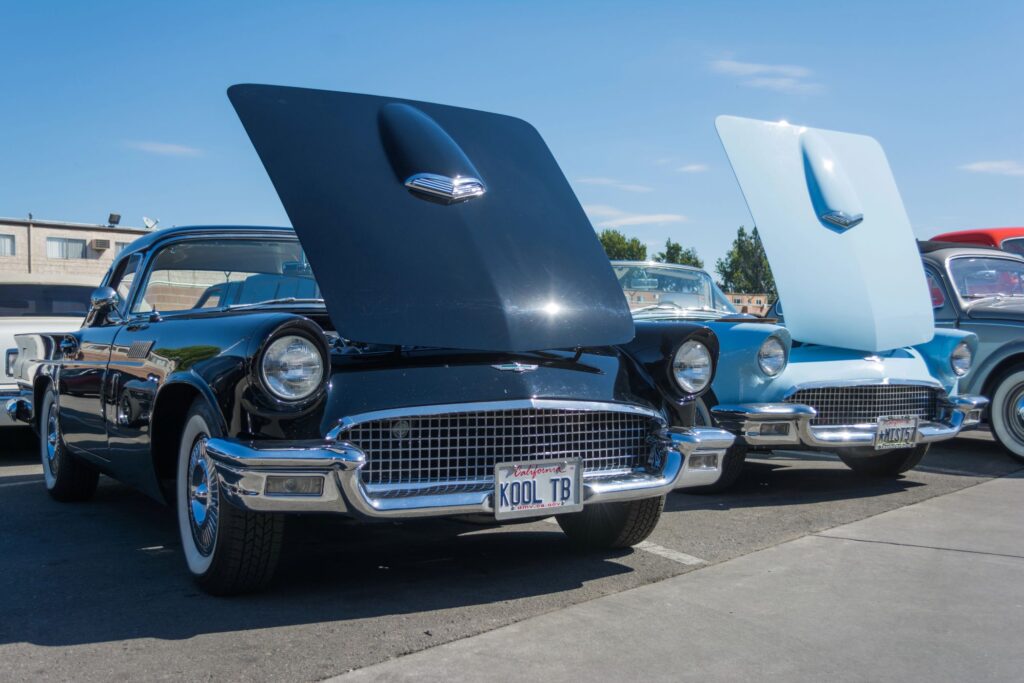
Classic cars differ fundamentally from modern vehicles. As a classic car appraiser I can assure you that value is derived from rarity, originality, and historical correctness rather than reliability or convenience.
At auction, classic vehicles are often restored, represented through documentation, and marketed as historically significant. Verifying those claims requires deep technical knowledge specific to each era and manufacturer.
What Makes Classic Car Auction Inspections Different
Classic car inspections focus on casting numbers, date codes, production practices, and restoration methods used during specific model years. Inspectors must understand manufacturing tolerances of the period, not modern expectations.
Verifying Numbers Matching at Auction
Numbers matching does not mean identical serial numbers across components. It means correct casting numbers, suffix codes, and date ranges that align logically with production timelines.
Classic car auction inspections document these details visually and correlate them with known production data.
Due to limited access at auctions, and not being able to put vehicles up on a lift for full access to all numbers, verifying the numbers may be challenging or limited.
Restoration Quality Versus Historical Accuracy
Many classic cars are beautifully restored but historically inaccurate.
Incorrect finishes, replacement components, or modern materials can materially affect long term collectibility even if the car presents well.
Auction inspections identify these discrepancies before bidding occurs.
Classic Car Appraisals for Collector and Historic Vehicles
Vehicles like the Shelby GT350H require an appraiser who understands originality, documentation, and collector market behavior. Auto Praise provides independent classic and collector car appraisals completed by certified auto appraisers with decades of experience in high-value and historically significant vehicles.
Documentation Review at Auction
Documentation often determines whether a classic car is a driver quality restoration or a reference level example.
When available, I review build sheets, factory records, registry entries, and prior appraisal reports for consistency and completeness.
Why Auction Speed Increases Risk
Auction environments create urgency. I’ve seen firsthand that bidding decisions are sometimes made quickly and often emotionally.
A professional inspection replaces emotion with documented facts.
What is a classic car auction inspection?
It is a specialized inspection focused on verifying originality, configuration, and historical accuracy before a classic car is sold at auction.
Are classic car auction inspections different from modern vehicle inspections?
Yes. They emphasize documentation, casting numbers, and historical practices rather than modern diagnostics.
Can restoration hide incorrect components?
Yes. Cosmetic restoration can conceal incorrect engines, transmissions, or finishes.
Do auction houses verify numbers matching?
Auction houses rely on consignor information. Independent verification is recommended.
When should a classic car auction inspection be ordered?
Before bidding, ideally before the vehicle is staged on the auction floor.