
 Call us now:


Step by Step Guide to File a Diminished Value Claim in Florida
If you’ve confirmed you’re eligible and you’re ready to act, this is the step-by-step process for filing a diminished value claim in Florida: what to gather, who to send it to, and how to present a demand the insurer can’t easily wave away. We focus here on the how, not the who — if you’re not yet sure whether you qualify, start with our guide on who can file a diminished value claim in Florida.
Florida diminished value claim process requires understanding both the legal framework and the practical documentation needed to support the loss.
Before proceeding, it helps to understand how accident-related value loss works. If you have not reviewed it yet, start here: How Much Value Does a Car Lose After an Accident?Not sure if you qualify? Check eligibility first.
Step 1: Gather All Repair Documentation
You will need:
• Final itemized repair invoice
• Photos of damage
• Structural measurement records (if applicable)
• Proof of pre-loss condition
Without documentation, it becomes difficult to establish measurable accident depreciation.
For a full checklist, review the official guide: Diminished Value Claim Guide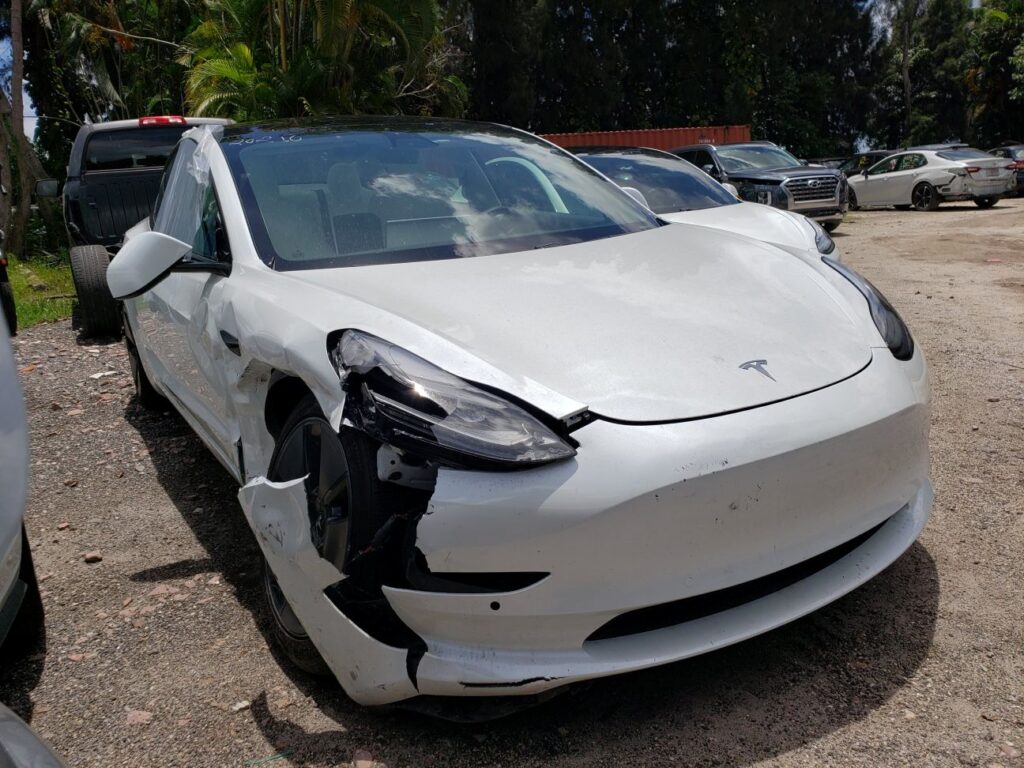
Step 2: Understand Florida Law
Florida recognizes diminished value under certain conditions as part of property damage recovery.
However, claim strategy differs depending on whether it is a first-party or third-party situation.
For detailed statutory context, review: Florida Diminished Value Law GuideUnderstanding the legal foundation helps you avoid common mistakes.
Step 3: Obtain a Professional Diminished Value Appraisal
While some vehicle owners attempt to calculate diminished value themselves, insurers and opposing parties often require market-supported documentation.
A professional appraisal typically includes:
• Pre-loss market analysis
• Post-repair comparable vehicle review
• Auction data evaluation
• Damage severity assessment
• Market sensitivity analysis
Step 4: Submit the Claim with Supporting Evidence
Your submission package should include:
• Appraisal report
• Repair invoice
• Photographs
• Supporting comparables
Clear documentation reduces disputes and strengthens your negotiating position.
Free Florida Diminished Value Claim Review
Don’t leave money on the table.
If your vehicle was involved in an accident in Florida, you may be entitled to compensation for diminished value.
Speak directly with a certified independent appraiser for a no-obligation claim evaluation.
Call 754-210-9807
Real Case Example Auto Praise
Recently, I assisted a Florida vehicle owner involving a BMW X5 that sustained significant rear structural and suspension damage. The total repair invoice exceeded $21,000.
Although repairs were completed properly, comparable clean-history X5 listings consistently showed stronger resale performance than accident-history examples. After conducting a market-based diminished value analysis, the documented loss supported a diminished value of approximately $13,800.
Without pursuing the claim, that value would have been left unaddressed.
This is why I advise vehicle owners not to assume repairs eliminate financial impact.

Common Mistakes to Avoid
- Waiting too long to document the loss
- Accepting settlement language that closes the claim prematurely
- Using generic formulas instead of market-based analysis
- Failing to preserve repair documentation
The earlier the claim is structured properly, the stronger the outcome tends to be.
What Happens After You Submit Your Claim
Once your diminished value claim reaches the insurer, an adjuster is typically assigned to review it. In Florida, the company will usually acknowledge the claim and may ask for additional documentation before issuing a response. This is where an organized submission pays off — the clearer your evidence, the fewer rounds of back-and-forth you tend to face. Plan for the process to take several weeks rather than a few days, and don’t be surprised if the first response comes in lower than your documentation supports. That opening figure is a starting point for discussion, not the final word.
If the Insurer Denies or Undervalues Your Claim
A denial or a low offer is common, and it doesn’t necessarily mean your claim lacks merit. Ask the insurer to put their reasoning in writing, including exactly how they arrived at the vehicle’s value. Vague formulas and unexplained “market adjustments” are worth questioning. From there, the strongest response is usually an independent appraisal that documents the loss with comparable sales and a defensible methodology. When your number is backed by evidence and theirs is not, the burden shifts back onto the insurer to justify its position.
Know Your Filing Deadline in Florida
Timing matters. Florida limits how long you have to pursue a diminished value claim, and waiting too long can weaken an otherwise valid claim — repair records get misplaced and market data becomes harder to reconstruct. Before you file, confirm where you stand on the clock by reviewing the deadline for filing a diminished value claim in Florida.
Keep Your Expectations Grounded
No appraiser or attorney can promise a specific payout, and it’s wise to be cautious of anyone who does. What you can control is the quality of your evidence and the professionalism of your appraisal. Insurers respond to documentation, not pressure. A calm, well-supported claim — filed on time, with clear repair records and an independent valuation — gives you the best realistic footing to recover what your vehicle actually lost.
Additional Florida Legal References
Official sources regarding Florida statutes and property damage recovery:
Speak With an Appraiser
Can I file a diminished value claim after repairs are complete?
Yes. Claims are commonly filed after repairs once value impact can be assessed.
Is diminished value automatic in Florida?
No. It must be documented and supported.
Do I need a professional appraisal?
If you want defensible documentation, yes.
Can newer vehicles suffer larger value loss?
Yes. Market sensitivity increases with vehicle value and age.