
 Call us now:

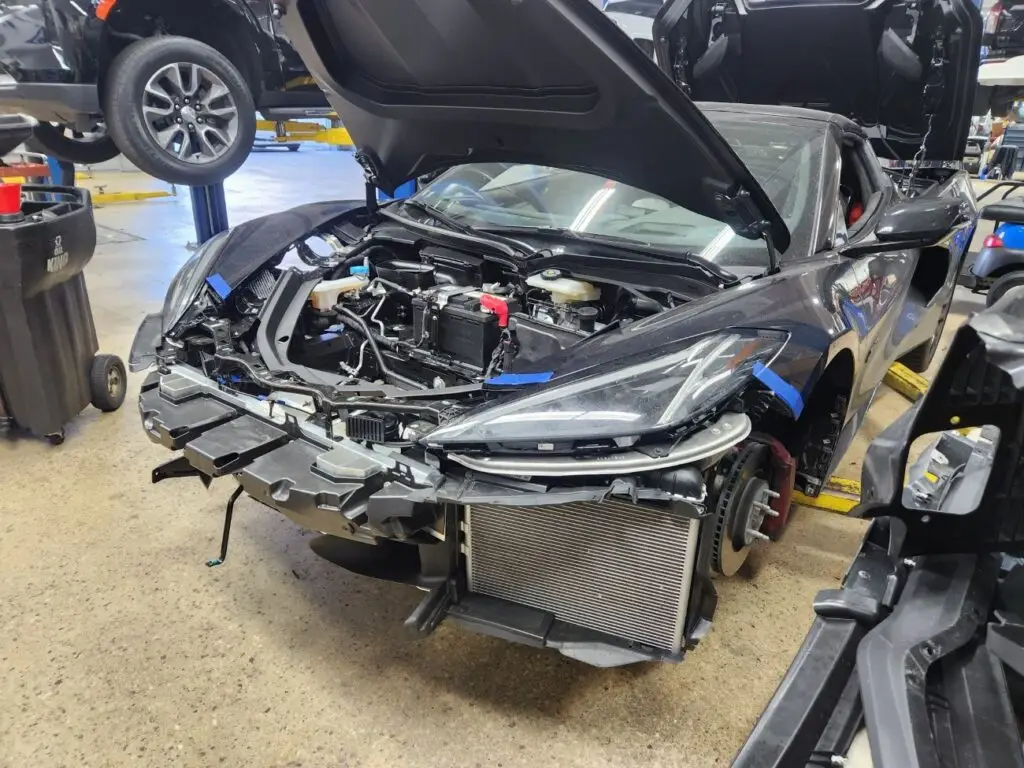
In my years of inspecting high end and enthusiast vehicles, I have noticed a recurring theme: most owners believe that if a car looks perfect after a repair, its value has been fully restored. Unfortunately, the secondary market and the sophisticated algorithms used by dealers and professional buyers beg to differ. When we analyze the structural damage car value, we are looking at a much more complex equation than a simple bumper replacement or a door skin swap.
I recently inspected a late model Ferrari that had been involved in a moderate front end collision. On the surface, the repair was flawless. The paint match was spot on, and the panel gaps were within factory tolerances. However, once we got the vehicle on a lift and started measuring the mounting points of the suspension, the story changed. There was evidence that a structural repair had been performed on the rail. While the car was safe for driving, that work created a permanent scar on the vehicle’s history. To a future buyer or a dealer, that car is no longer a Grade A asset. It is a compromised vehicle with a significant frame damage resale loss.

Defining the Divide: Structural vs. Cosmetic
To understand the true effect of an accident on what a car is worth, we have to distinguish between the skin of the vehicle and its skeleton.
Cosmetic damage refers to components that are designed to be replaced and do not contribute to the rigidity or safety of the vehicle’s cabin. This includes plastic bumper covers, grilles, trim pieces, moldings, bolt on fenders, and hoods. When I see a vehicle with purely cosmetic repairs, the loss in value is often manageable, provided the repair was done with OEM parts and the paint work is undetectable.
Structural damage, however, involves the core architecture of the vehicle. In modern unibody construction, the frame isn’t a separate ladder-like structure. It is a complex web of high-strength steel, aluminum, and sometimes carbon fiber designed to manage energy during a crash. When these components are bent, kinked, or crushed, the car value takes a massive hit. Even if a technician uses a 3D measuring system to pull the frame back to factory specifications, the molecular structure of the metal has been altered.
The Engineering Reality of Structural Repairs
Modern vehicles are engineered with crumple zones. These are specific areas designed to sacrifice themselves to protect the passengers.
If a frame rail is pulled, the metal undergoes work hardening. Think of a paperclip: you can bend it back into shape once, but the metal at the bend is now weaker and more brittle. In a second accident, that rail may not perform as the engineers intended. This inherent safety concern is exactly why the market penalizes these vehicles so heavily. When a buyer sees an accident history on a report, they aren’t just worried about the car driving straight; they are worried about the car’s ability to protect them in a subsequent collision.
Strategic Guide: Professional Valuation
Does your repair invoice mention Setup and Measure or Frame Labor? If so, your vehicle has likely suffered a permanent loss in marketability. Learn more about our Diminished Value Appraisal Services
The Financial Impact: Measuring Frame Damage Resale Loss
How much value is actually lost? While every case is unique, I typically observe a frame damage resale loss ranging from 15% to 35% of the vehicle’s pre-accident value, even after a high-quality repair.
For a $100,000 luxury vehicle, that is a $15,000 to $35,000 loss that the insurance company’s initial repair check does not cover. Dealers use wholesale auction data to price these cars. When a car with structural history hits the auction block, the announcement of that history immediately clears the room of the highest-paying retail buyers. You are left with budget dealers who will only buy the car if it is priced significantly below market value. This is the stigma that I document in my appraisal reports.

The Role of High-Strength Steel and Advanced Materials
In my experience, luxury and late-model vehicles are particularly sensitive to these claims because of the materials used. Many modern marques utilize ultra-high-strength steel or aluminum components that have strict no-heat repair rules.
Strategic Guide: Florida Insurance Rights
Don’t let the insurance company dictate the value of your loss. Understanding the local landscape is vital to a successful claim. Read our Florida Diminished Value Claim Guide
Why Industry Standard Formulas Often Fail
Insurance adjusters often use basic automated tools to calculate loss. In my professional opinion, these tools are fundamentally flawed when applied to high-end vehicles. They assume a linear depreciation that doesn’t account for the cliff a vehicle’s value falls off when the frame is involved.
I’ve seen adjusters offer a few hundred dollars for diminished value on a vehicle with $20,000 in structural repairs. In reality, that car’s marketability has been gutted. My methodology involves looking at actual market data. What are similar cars with an accident history actually selling for at dealer auctions? This real-world evidence is the only way to combat the low-ball offers that have become the industry standard.
Strategic Guide: Total Loss Thresholds
Is the cost of your structural repair approaching the value of the car? You may be closer to a total loss than you think. Understanding Florida’s Total Loss 80% Rule
The Importance of Documentation in a Claim
If you suspect your vehicle has suffered structural damage, you must request the computerized printout from the repair shop’s frame machine. This document shows the before and after measurements of your vehicle’s chassis.
When I perform an appraisal, this printout is a vital piece of evidence. It proves that the vehicle was out of alignment at a structural level. Without this, the insurance company will try to categorize the repair as minor cosmetic alignment. I use these technical documents to build a defensible case for your frame damage resale loss.
Strategic Guide: Technical Accuracy
For more information on proper repair standards, visit theSociety of Collision Repair Specialists (SCRS) to see how modern vehicles must be handled to maintain safety.
Final Thoughts from the Field
A vehicle is often the second-largest investment a person makes. When that investment is compromised by an accident, fixing the car is only half the battle. You are still left with a financial deficit that will haunt you at the time of trade-in or sale.
My goal is to provide the technical accuracy and professional experience needed to bridge that gap. We don’t use hype or make guarantees. We use data, market history, and a deep understanding of automotive structural integrity to ensure you are made whole.
Navigating Your Legal Rights in Florida
It is important to remember that your right to recover these financial losses is rooted in state law. In many cases, the at-fault party’s insurance is responsible for more than just the physical repairs; they are responsible for the lost equity in your asset. If you are unsure whether your specific accident qualifies for a claim, I recommend reviewing our comprehensive guide on Florida Diminished Value Law. Understanding the legal framework and the statute of limitations is the first step in ensuring you aren’t left absorbing the cost of an accident that wasn’t your fault.
Can a car with structural damage ever be worth its full market value again?
In the eyes of the retail market, the answer is almost always no. Even with a perfect, documented repair that meets all manufacturer standards, the prior accident flag on a history report creates a permanent stigma. Most buyers expect a significant discount for a vehicle with structural history compared to an identical clean vehicle.
How do I know if my car has structural damage or just cosmetic damage?
Review your final repair invoice for terms like Setup and Measure, Frame Labor, or Pulling. Additionally, look for the replacement of components like frame rails, aprons, pillars, or floor pans. If the shop had to put the car on a frame rack to straighten it, the damage was structural.
Will a clean history report save my car’s value if I know there was structural damage?
While a delayed report might help in the short term, most sophisticated buyers and all major dealerships use paint meters and physical inspections to detect structural repairs. Furthermore, failing to disclose known structural damage during a sale can lead to legal liability. It is always better to have the damage properly appraised and compensated for.
Is structural damage the same as a salvage title?
Not necessarily. A salvage title is issued when a vehicle is declared a total loss. A vehicle can have significant structural damage and a structural repair while still maintaining a clean title. However, the market value impact of structural damage can be nearly as severe as a salvage brand in many luxury and exotic segments.
How long do I have to file a diminished value claim in Florida?
In Florida, the statute of limitations for property damage claims is generally four years from the date of the accident for third-party claims. However, I always recommend starting the process as soon as repairs are completed to ensure all evidence, including the shop’s repair records, is fresh and available.