
 Call us now:

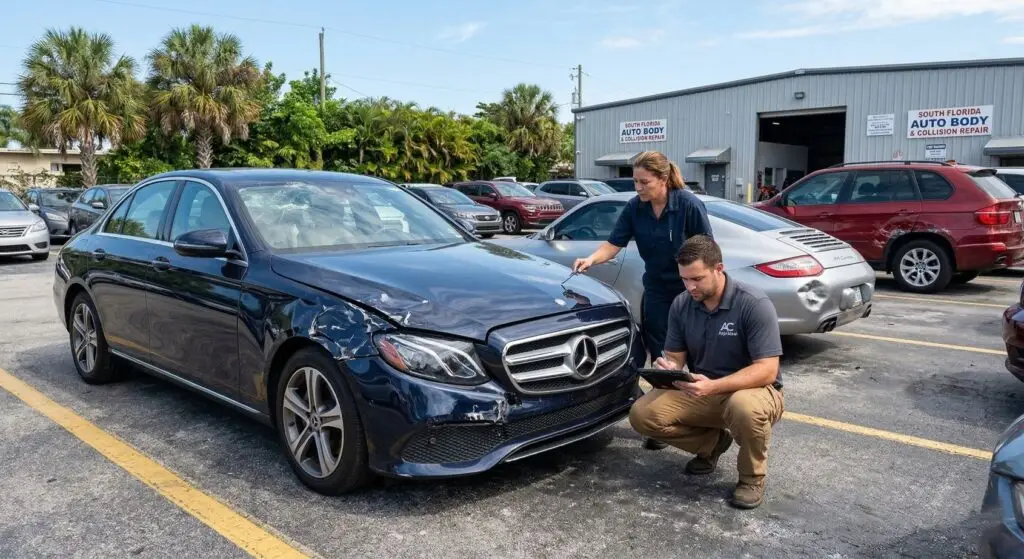
Total Loss Settlement Negotiation: How to Challenge a Low Insurance Offer
When a vehicle is declared a total loss after an accident, the insurance company typically presents a settlement offer based on the vehicle’s estimated actual cash value (ACV) immediately before the loss occurred. While many claims resolve without dispute, some vehicle owners find themselves needing to engage in total loss settlement negotiation when the insurance offer appears too low.
Understanding how the negotiation process works can help vehicle owners determine whether the settlement offer accurately reflects the vehicle’s market value and what steps may be available if the valuation appears incorrect.
Key Takeaways About Total Loss Settlement Negotiation
- Total loss settlement negotiations typically occur when a vehicle owner believes the insurance valuation does not reflect the vehicle’s true market value.
- Most settlement offers are based on valuation reports that analyze comparable vehicles and market data.
- Reviewing the valuation report carefully can reveal discrepancies involving mileage adjustments, trim levels, or equipment options.
- Providing additional market evidence or comparable vehicle listings may sometimes help support a revised settlement.
- If the dispute cannot be resolved through negotiation in a first-party claim, the appraisal clause may allow independent appraisers to determine the value.
Total Loss Settlement Negotiation: How the Process Works
Total loss settlements are typically calculated using valuation reports produced by third-party valuation systems. These reports analyze comparable vehicles, mileage adjustments, equipment differences, and regional market data to estimate the vehicle’s pre-loss market value.
The negotiation process usually begins after the insurance company presents its initial settlement offer.
At that stage, the vehicle owner may:
- review the valuation report used by the insurer
- verify the comparable vehicles listed in the report
- identify potential errors or missing vehicle options
- provide additional market data supporting a higher value
In many situations, the claim can be resolved by identifying inaccuracies in the valuation report.
If negotiation does not resolve the disagreement, policyholders may need to pursue additional steps. Our article explaining how to challenge your insurance company’s total loss offer explores these options.
Why Insurance Settlement Offers May Be Lower Than Expected
Several factors can influence the value calculated in an insurance valuation report.
Some of the most common reasons settlement offers appear lower than expected include:
Comparable Vehicles That Are Not Truly Comparable
If the comparable vehicles used in the report have higher mileage, lower trim levels, or fewer options, the resulting value may be lower.
Missing Equipment or Options
If the valuation report does not include all of the vehicle’s installed options or packages, the calculated value may not reflect the true market value.
Incorrect Mileage Adjustments
Errors in mileage adjustments can affect the calculated value.
Listings From Different Markets
Vehicle prices vary across regions. Listings from distant markets may not reflect local vehicle values.
Understanding these factors can help vehicle owners determine whether the settlement offer is reasonable.
Many settlement negotiations begin when a vehicle owner believes the insurance valuation does not reflect the vehicle’s true market value. Our guide explaining what to do if your insurance company undervalued your car in a total loss explains why these disputes occur.
Steps to Take During a Total Loss Settlement Dispute
When the settlement amount appears inaccurate, there are several steps vehicle owners can take before accepting the offer.
Step 1: Carefully Review the Valuation Report
Insurance companies typically provide a valuation report showing how the settlement amount was calculated. Reviewing the report carefully may reveal errors in comparable vehicles, equipment listings, or adjustments.
Step 2: Verify Comparable Vehicles
Vehicle owners can review the comparable vehicles used in the report and determine whether they truly match the loss vehicle in terms of model year, trim level, mileage, and options.
Disputes often arise when comparable vehicles used in the valuation report do not accurately match the loss vehicle. Our article on comparable vehicles in total loss valuation explains how these comparisons affect settlement amounts.
Step 3: Gather Additional Market Evidence
In some cases, vehicle owners may be able to locate listings for similar vehicles that support a higher valuation.
Step 4: Request a Revised Valuation
If errors are identified, the vehicle owner may request that the insurance company review the valuation report and update the settlement calculation.
Understanding Florida Total Loss Regulations
Insurance companies handling claims in Florida must follow certain guidelines when calculating total loss settlements. These regulations help ensure that insurers use accepted valuation methods and market data when determining vehicle values.
When Settlement Negotiations Do Not Resolve the Dispute
While many total loss claims are resolved through discussions with the insurance company, some disputes continue when the parties cannot agree on the vehicle’s value.
When this happens, the options available often depend on the type of claim involved.
For example, the procedures available to a policyholder filing a claim under their own insurance policy may differ from those available in a third-party liability claim against another driver.
The Appraisal Clause in Total Loss Settlement Disputes
Many insurance policies contain an appraisal clause that allows valuation disputes to be resolved through an independent appraisal process.
When invoked, the appraisal clause allows both the policyholder and the insurance company to appoint independent appraisers to determine the vehicle’s pre-loss value. Each appraiser evaluates comparable vehicle listings, market data, and valuation methodology.
If the two appraisers cannot reach agreement on the vehicle’s value, an impartial umpire may be selected to determine the final settlement amount.
It is important to understand that the appraisal clause generally applies only to first-party claims filed under your own insurance policy, such as collision coverage claims.
When a claim is filed against another driver’s insurance company in a third-party liability claim, the appraisal clause usually does not apply.
Visual Explanation: Total Loss Settlement Negotiation Process
Total loss settlement negotiations typically follow a series of steps.
Accident Occurs
↓
Vehicle Declared Total Loss
↓
Insurance Company Generates Valuation Report
↓
Initial Settlement Offer Presented
↓
Vehicle Owner Reviews Report
↓
Negotiation or Dispute Process Begins
↓
Appraisal Clause Process (if applicable)
Understanding these steps can help vehicle owners navigate the claims process more effectively.
External Reference
The Insurance Information Institute provides general educational information about how insurance companies determine total loss settlements:
https://www.iii.org/article/how-are-value-my-car-and-cost-repair-determined
Total Loss Claim Resources
Understanding how insurance companies determine total loss settlements can help vehicle owners make informed decisions during the claims process. If you are currently dealing with a total loss claim, the following resources provide detailed explanations of Florida insurance law, valuation methods, and the options available when a settlement offer appears inaccurate.
- Total Loss Claim Guide – Step-by-step explanation of the total loss claim process and how to review settlement offers.
- Florida Total Loss Law – Explanation of the laws and regulations that govern total loss claims and insurance settlement procedures in Florida.
- Total Loss Appraisal – Learn how an independent appraisal can help verify whether the insurance company’s valuation accurately reflects your vehicle’s true pre-loss value.
These resources explain how total loss values are calculated, how comparable vehicles influence settlement amounts, and when vehicle owners may consider additional steps such as invoking the appraisal clause under their insurance policy.
Need Help With a Total Loss Settlement?
If the insurance company’s total loss offer seems too low, Auto Praise can review the market valuation report and identify errors that may be affecting your settlement amount. We assist Florida vehicle owners statewide by reviewing comparable vehicles, adjustments, options, condition ratings, and valuation methodology to determine whether the offer is accurate.
A free claim review can help you understand whether there is a valid basis to challenge the insurance company’s valuation and pursue a better settlement.
Call 754-210-9807 for a Free Review
Florida Licensed Adjusters • I-Car Platinum Certified Auto Physical Damage Appraisers • IACP Certified Auto Appraisers
Can you negotiate a total loss settlement with an insurance company?
Yes. Vehicle owners may negotiate a total loss settlement if they believe the insurance company’s valuation does not accurately reflect the vehicle’s market value. Negotiations often involve reviewing the valuation report and identifying discrepancies in comparable vehicles or valuation adjustments.
What should I do if the insurance company’s offer is too low?
The first step is to review the valuation report used by the insurance company. Vehicle owners can examine the comparable vehicles used in the report and verify whether the vehicle’s options, trim level, and mileage were accurately reflected.
Can comparable vehicle errors affect the settlement value?
Yes. Because comparable vehicles form the basis of most valuation reports, inaccuracies in the comparable vehicles used can significantly affect the settlement amount offered by the insurance company.
What is the appraisal clause in an insurance policy?
The appraisal clause is a policy provision that allows valuation disputes to be resolved by independent appraisers. Each party appoints an appraiser to evaluate the vehicle’s value, and if the appraisers cannot agree, an umpire may determine the final value.
Does the appraisal clause apply to every insurance claim?
No. The appraisal clause generally applies only to first-party claims filed under your own insurance policy. It usually does not apply to third-party claims filed against another driver’s insurance company.