
 Call us now:

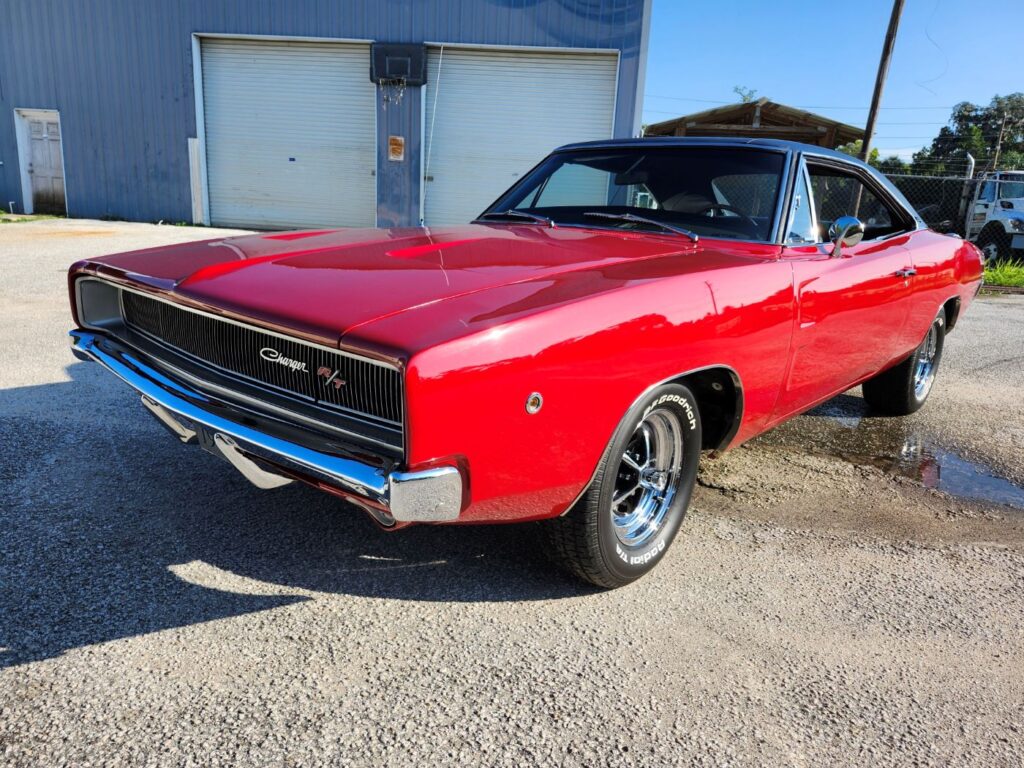
What does numbers matching mean is one of the most common questions I hear when inspecting classic and collector cars. In my experience, it is also one of the most misunderstood concepts in the entire collector car world. Many buyers assume numbers matching means every major component carries the vehicle’s VIN. However, that simply is not how most classic vehicles were built.
When I evaluate a classic car, numbers matching refers to whether the engine, transmission, and other major components are correct for the vehicle based on factory production practices, not whether they share identical serial numbers. Because manufacturing methods varied widely by era and manufacturer, understanding numbers matching requires hands-on inspection and historical context.
Why Numbers Matching Matters to Collectors
From an appraisal standpoint, originality directly impacts value. When I inspect high level collector cars, vehicles that retain their factory installed drivetrain consistently command stronger market results than similar cars with replacement components.
More importantly, numbers matching supports authenticity and provenance. For rare vehicles, especially early Corvettes, Shelbys, and historically significant race cars, that distinction can separate a reference level example from a visually identical restoration.
Numbers Matching Does Not Mean Matching VINs
Most classic vehicles do not have VINs stamped on every component. Instead, manufacturers relied on casting numbers, date codes, and assembly stampings.
When I verify numbers matching, I am confirming that:
- The components are of the correct design
- The date codes make chronological sense
- The application codes align with factory specifications
It does not mean every number matches the VIN.
Classic Car Appraisal
Professional Classic Car Appraisals
Numbers matching status directly impacts value. A professional appraisal documents originality, configuration, and authenticity for collector vehicles.
Understanding Casting Numbers
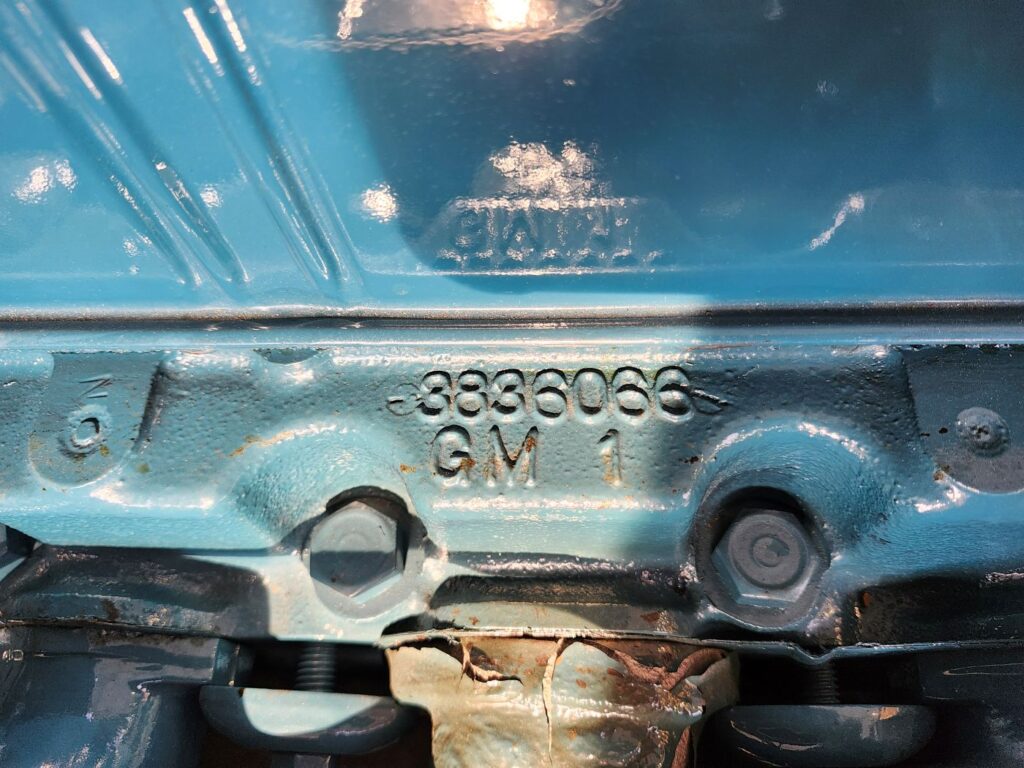
When I begin an inspection, casting numbers are often the first identifiers I document. Casting numbers are raised numbers molded into engine blocks, cylinder heads, and other major components during manufacturing.
In this image, you can see a correct 1953 Corvette cylinder head casting. While a casting number alone does not confirm originality, it establishes whether the component could be correct for the vehicle.
However, casting numbers must always be evaluated alongside date codes and engine stampings.
Engine Stampings and Suffix Codes
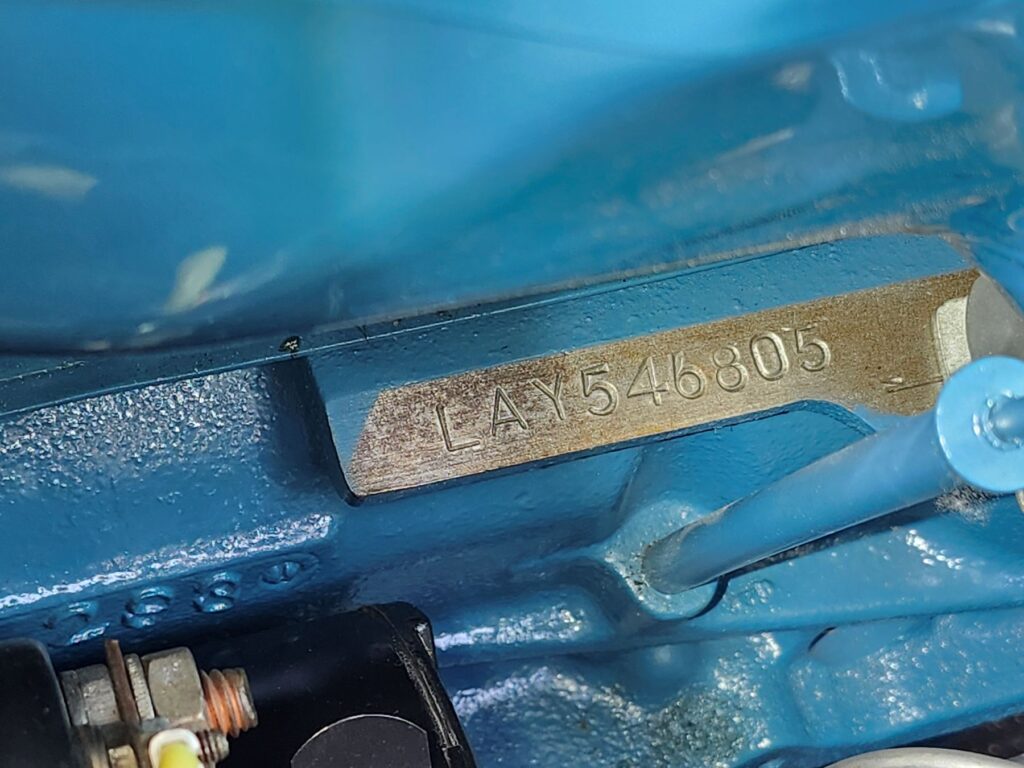
Next, I look for stamped engine identification codes. These are typically found on a machined pad near the distributor or along the block deck surface.
In this photo, the engine stamping confirms the correct suffix code for a 1953 Corvette equipped with the proper drivetrain. This is one of the strongest indicators of numbers matching status because suffix codes identify:
- Horsepower rating
- Transmission type
- Intended vehicle application
Without the correct suffix code, even a correct casting number engine may not be considered numbers matching.
Chronological Consistency and Date Codes
After identifying casting numbers and suffix codes, I evaluate date code alignment. Date codes indicate when a component was cast or assembled.
For a vehicle to be numbers matching:
- Engine and head date codes must predate the vehicle’s build date
- The timeline must be logical and consistent
For example, an engine cast after the vehicle was assembled cannot be original, regardless of appearance.
Numbers Matching Across Different Manufacturers
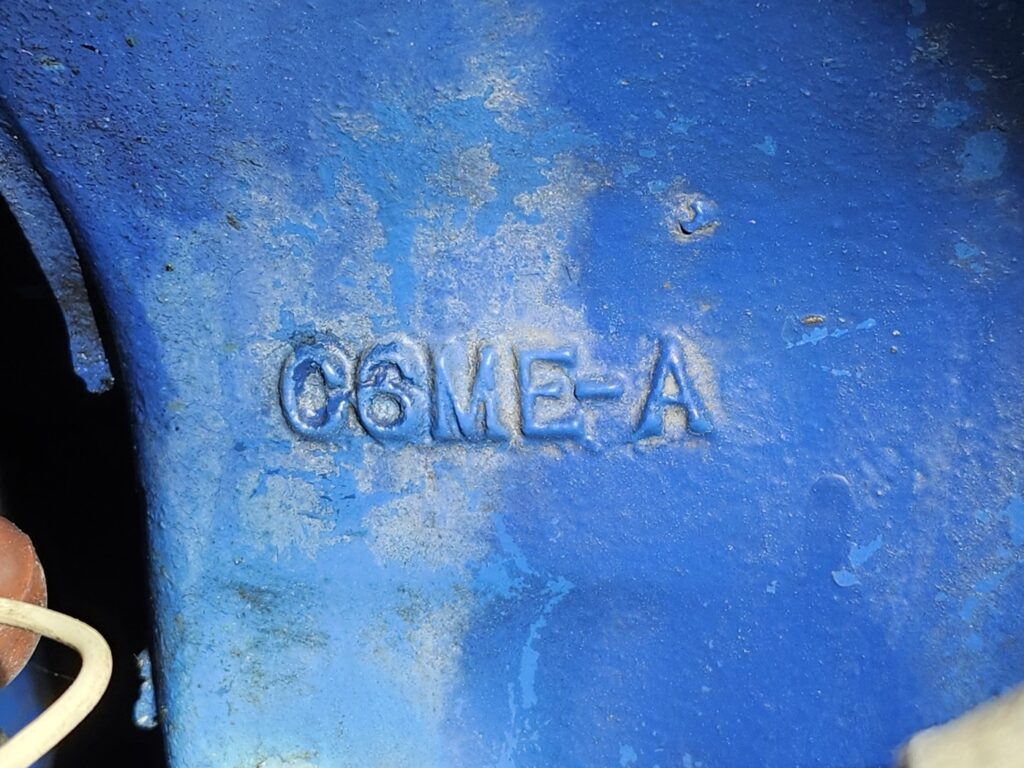
Different manufacturers used different identification practices. During Shelby and Ford production years, casting numbers and suffix codes played a major role in confirming originality.
In this Shelby GT500 example, the engine casting confirms the correct FE series block used during that production window. When combined with the correct stamping and date range, this supports a numbers matching determination.
Transmission Identification and Tags
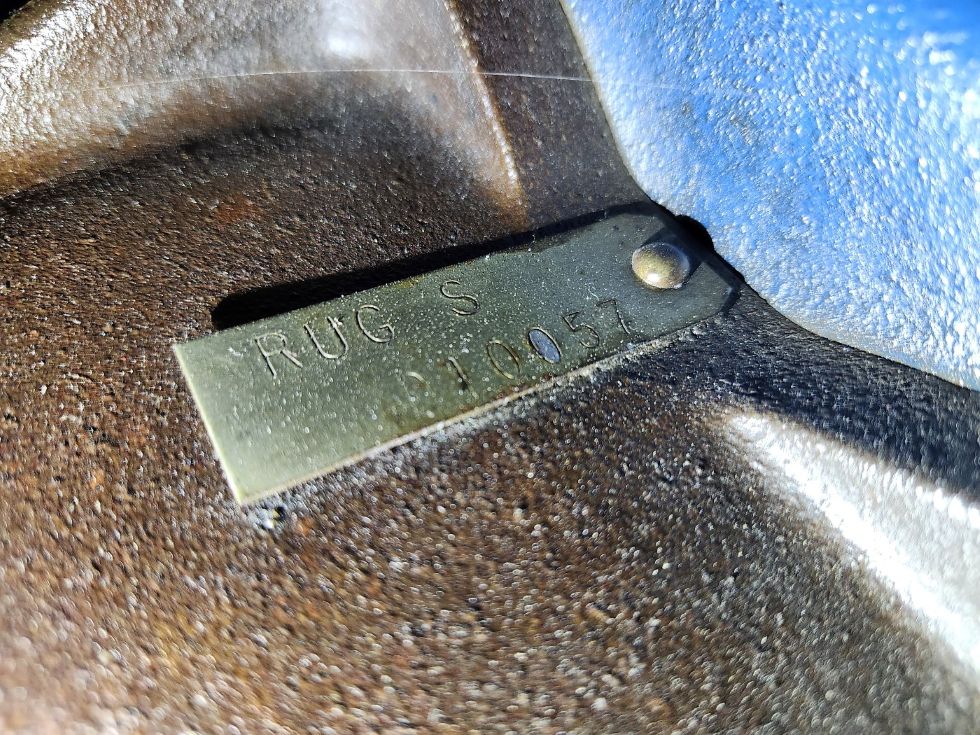
Transmission verification is another critical step. Manual transmissions often use metal ID tags, while automatics may rely on case stampings.
In this image, the Ford Toploader transmission tag provides:
- Gear ratio information
- Assembly identification
- Production verification
Matching the transmission to factory records strengthens the numbers matching conclusion.
Body Tags and Vehicle Identity
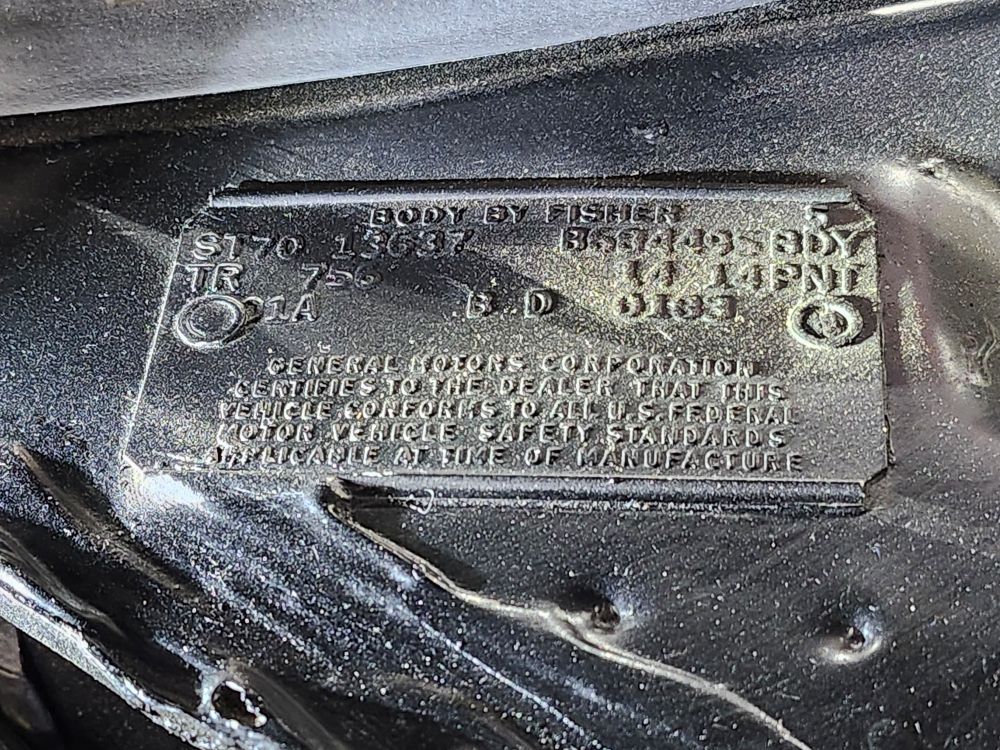
Body tags, such as Fisher Body plates, confirm how the vehicle was originally configured. These tags provide:
- Body style
- Paint codes
- Trim information
- Assembly plant data
While body tags do not determine numbers matching on their own, they support the broader authenticity picture and help identify discrepancies during restoration.
Classic Car Pre Purchase Inspections
Before buying a collector vehicle, verifying casting numbers, engine stampings, and date codes helps protect your investment.
Numbers Matching Versus Period Correct
During inspections, I often encounter vehicles described as period correct. This means the components are correct for the era but not original to the vehicle.
Although period-correct cars can still be desirable, they are typically valued differently than true numbers matching examples. Understanding this distinction prevents costly misunderstandings.
Restoration and Numbers Matching
Restoration does not automatically disqualify a car from being numbers matching. If the original engine block is retained and properly documented, a rebuilt engine can still qualify.
However, replacement blocks or service engines generally eliminate numbers matching status, even if visually identical. This is why documentation and physical inspection matter.
Why Professional Verification Matters
In my experience, most misrepresentation is unintentional. Sellers often repeat information provided during prior ownership without independent verification.
A professional inspection correlates:
- Casting numbers
- Date codes
- Engine stampings
- Transmission identification
- Body tags
This process replaces assumptions with documented facts.
When I inspect vehicles offered at major classic car auctions, I am always mindful that the auction environment moves quickly and often relies on presentation and prior documentation. Events hosted by established platforms such as Mecum Auctions and high-end specialists like Broad Arrow Auctions bring together some of the most historically significant collector cars in the world. However, regardless of the venue, the responsibility ultimately falls on the buyer to verify authenticity, configuration, and originality before bidding. That is why I approach auction inspections with a focus on casting numbers, date codes, engine stampings, and supporting documentation rather than relying solely on auction descriptions or restoration claims.Final Thoughts on Numbers Matching
Numbers matching is not a marketing phrase. It is a technical classification rooted in manufacturing history and inspection methodology.
When I inspect a classic car, my goal is to provide clarity. Understanding what numbers matching truly means protects buyers, supports accurate appraisals, and preserves automotive history.
What does numbers matching mean on a classic car?
Numbers matching means the vehicle retains its original major components or components that are correct based on factory production specifications and timelines.
Does numbers matching mean the VIN is stamped everywhere?
No. Most classic vehicles do not carry the VIN on every component. Verification relies on casting numbers, date codes, and suffix codes.
Can a rebuilt engine still be numbers matching?
Yes, if the original engine block is retained and identifiable, a rebuilt engine can still be considered numbers matching.
Is period correct the same as numbers matching?
No. Period correct means components are correct for the era but not original to the vehicle.
Why does numbers matching affect value?
Original components support authenticity, provenance, and historical integrity, which are major drivers of collector value.