
 Call us now:

Luxury vehicles depreciate differently than ordinary vehicles. While all automobiles lose value over time, high end luxury and exotic vehicles often experience sharper financial losses when accident history, structural damage, or repair records enter the equation.
In many cases, the financial impact extends well beyond normal depreciation. Even professionally repaired vehicles can suffer measurable reductions in market desirability and resale value once collision history appears on CARFAX or AutoCheck reports.
As an independent auto appraiser, I routinely evaluate luxury vehicles throughout South Florida, including Boca Raton FL, Palm Beach FL, Fort Lauderdale FL, Miami FL, Coral Gables FL, and Naples FL. In these markets, buyers shopping for high end vehicles often expect pristine condition, clean history reports, and factory originality. Once that expectation changes, resale value frequently changes with it.
Understanding luxury vehicle depreciation is critical for owners of brands such as Porsche, Mercedes Benz, Bentley, Ferrari, Aston Martin, Lamborghini, McLaren, Rolls Royce, and other premium vehicles.
Why Luxury Vehicles Depreciate Faster After Accidents
Luxury vehicle buyers are often more selective than average consumers.
When someone spends substantial money on a high end vehicle, they typically pay close attention to:
- Vehicle history reports
- Prior paintwork
- Structural repairs
- Original factory finishes
- OEM parts usage
- Service history
- Mileage consistency
- Ownership history
Because of this, even relatively minor accident history can create measurable reductions in high-end car resale value.
I frequently see this during diminished value appraisals involving luxury SUVs and exotic performance vehicles throughout South Florida. Vehicles traveling heavily congested corridors such as I 95, Glades Road in Boca Raton FL, Las Olas Boulevard in Fort Lauderdale FL, or Brickell Avenue in Miami FL are often exposed to higher accident frequency due to dense traffic conditions.
Once accident history becomes part of the vehicle’s permanent record, future buyers and dealerships often become more cautious.
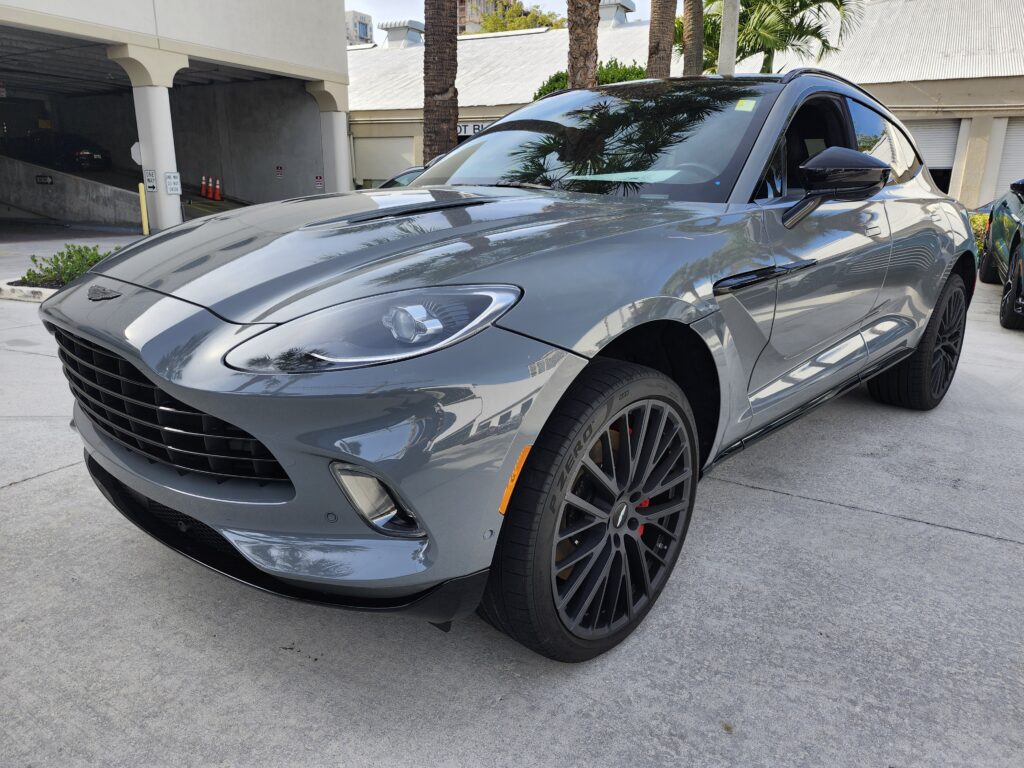
The Psychology Behind Luxury Vehicle Resale Losses
Luxury vehicle depreciation after an accident is heavily influenced by buyer psychology.
High end buyers are not simply purchasing transportation. In many cases, they are purchasing:
- Prestige
- Exclusivity
- Originality
- Performance
- Collector appeal
- Long term investment value
When accident history appears, buyers may immediately question:
- Whether structural repairs occurred
- If factory welds were disturbed
- Whether aftermarket parts were used
- If paintwork matches perfectly
- Whether the vehicle will perform the same long term
- How future buyers will react to the history
Even when repairs are excellent, the market often applies a financial penalty because the vehicle is no longer perceived as “untouched.”
This is one reason why diminished value losses on luxury vehicles are often substantially higher than those seen on ordinary commuter vehicles.
Structural Damage Has a Massive Impact on Luxury Vehicles
Not all accident damage affects value equally.
In my experience performing exotic vehicle appraisal inspections, structural damage consistently creates the largest reductions in value.
Structural repairs may involve:
- Quarter panel replacement
- Frame rail damage
- Unibody repairs
- Roof structure repairs
- Pillar repairs
- Rear body panel replacement
- Suspension mounting areas
- Core support damage
Luxury and exotic vehicle buyers often scrutinize structural repairs much more aggressively than average buyers.
For example, I have inspected repaired luxury vehicles in Palm Beach Gardens FL and Weston FL where the repairs appeared cosmetically excellent. However, dealerships still reduced trade in offers significantly once structural repairs appeared on vehicle history reports.
This directly contributes to measurable diminished value.
Owners researching these types of losses often begin by reviewing how a professional diminished value appraisal works and how market value reductions are documented after collisions.
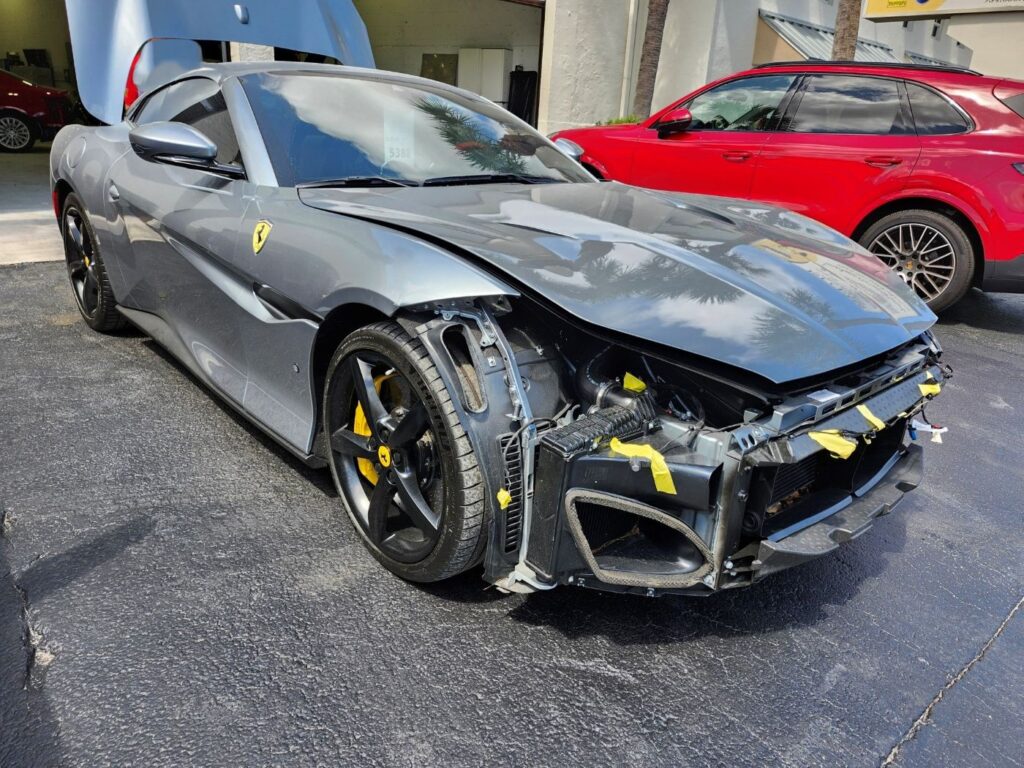
Why Exotic Vehicles Are Even More Sensitive
Exotic and collector oriented vehicles often experience the strongest resale stigma.
Vehicles such as:
- Ferrari
- Lamborghini
- McLaren
- Aston Martin
- Porsche GT models
- Bentley
- Rolls Royce
frequently derive value from originality and collector desirability.
Even repainting a single panel may affect future resale potential in some segments.
Buyers in these markets may inspect:
- Paint meter readings
- Factory VIN stickers
- Weld integrity
- OEM fasteners
- Repair invoices
- Panel alignment
- Vehicle history reports
Because of this, accident history often accelerates luxury vehicle depreciation far beyond normal market aging.
In some cases, I have seen high end supercars sustain six figure diminished value losses after severe collisions involving structural damage.
Why Dealers Slash Trade In Offers on Luxury Vehicles
Many owners are surprised when dealerships dramatically reduce trade in values after accidents.
However, luxury dealerships face increased financial risk when acquiring repaired vehicles.
Dealers understand that future buyers may hesitate to purchase vehicles with accident history, particularly in premium markets such as Boca Raton FL, Naples FL, and Miami Beach FL.
As a result, dealerships often lower acquisition offers to offset:
- Reduced buyer demand
- Increased negotiation resistance
- Auction penalties
- Certification limitations
- Potential future liability concerns
- Reduced financing attractiveness
This becomes especially important for certified pre owned programs. Some manufacturers restrict certification eligibility for vehicles with significant repair history or structural damage.
Why Vehicle History Reports Matter So Much
Modern vehicle history reporting platforms have permanently changed the luxury automotive market.
Years ago, prior repairs were not always visible to future buyers. Today, accident history is instantly accessible through platforms such as CARFAX and AutoCheck.
As a result, the market now reacts much more aggressively to collision history.
This directly affects:
- Dealer appraisals
- Lease returns
- Trade in negotiations
- Auction values
- Private party sales
- Financing decisions
Even perfectly repaired vehicles may still suffer measurable reductions in high-end car resale value simply because the accident history exists.
Understanding Diminished Value on Luxury Vehicles
Diminished value refers to the measurable reduction in market value that remains after repairs are completed.
For luxury vehicles, this loss is often magnified because buyers place greater emphasis on clean history and originality.
Professional appraisals typically evaluate:
- Damage severity
- Structural involvement
- Repair methodology
- Market desirability
- Comparable vehicle sales
- Vehicle history impact
- Published market data
- Trade in behavior
- Auction trends
- Segment sensitivity
At Auto Praise, these evaluations are performed by licensed Florida adjusters, I Car Platinum Certified Auto Physical Damage Appraisers, and IACP Certified Auto Appraisers with decades of real world inspection experience.
Free Florida Diminished Value Claim Review
Don’t leave money on the table.
If your vehicle was involved in an accident in Florida, you may be entitled to compensation for diminished value.
Speak directly with a certified independent appraiser for a no-obligation claim evaluation.
Call 754-210-9807
Luxury Vehicle Owners Often Underestimate Their Financial Loss
One of the most common things I hear from luxury vehicle owners is:
“The vehicle was repaired perfectly, so I assumed there wouldn’t be much value loss.”
Unfortunately, the market frequently disagrees.
Luxury vehicle depreciation after accidents is driven heavily by perception and future buyer behavior.
Even if repairs restore functionality and appearance, future buyers may still hesitate due to the documented history.
This is why many owners pursue independent appraisals after collisions involving:
- Structural damage
- Airbag deployment
- Major paintwork
- Multiple panel replacement
- Suspension damage
- Frame repairs
After an accident involving another at fault driver, many Florida vehicle owners begin researching their rights regarding diminished value claims and post repair market losses. Understanding how these claims are commonly handled can help owners better navigate the process, especially when dealing with luxury or high end vehicles that may suffer significant resale stigma. You can learn more about this process by reviewing our detailed guide to Florida diminished value law.
Why Independent Auto Appraisers Matter
Insurance companies often attempt to minimize diminished value losses, particularly on luxury vehicles where the financial exposure can become substantial.
Many vehicle owners choose to obtain a professional diminished value appraisal to properly document the measurable loss in market value after an accident.
If you are unsure how the process works, our detailed diminished value claim guide explains the key steps commonly involved in pursuing a diminished value claim after a collision.
An independent auto appraiser evaluates the loss from a market based perspective rather than relying solely on repair completion.
This distinction is critical.
Real world automotive markets consistently demonstrate that buyers pay less for repaired luxury vehicles compared to equivalent clean history vehicles.
Independent appraisers evaluate:
- Market behavior
- Dealer trade in practices
- Auction results
- Vehicle desirability
- Repair severity
- Segment specific market sensitivity
This becomes especially important when dealing with exotic vehicle appraisal assignments involving collector oriented vehicles or rare configurations.
Total Loss Risks on Luxury Vehicles
Luxury vehicles also carry increased total loss risk because repair costs can escalate rapidly.
Advanced electronics, aluminum structures, carbon fiber components, adaptive safety systems, and OEM calibration requirements often make repairs substantially more expensive than ordinary vehicles.
In some cases, the damage sustained by high end vehicles can become so extensive that repair costs approach or exceed the vehicle’s actual cash value. Luxury and exotic vehicles often contain advanced materials, specialized components, and expensive calibration requirements that can dramatically increase repair costs after a collision. When this occurs, owners frequently begin researching their options regarding insurance valuations and settlement disputes. If you are dealing with a severe collision involving a luxury or exotic vehicle, you can learn more about the process on our total loss appraisal service page.
This becomes increasingly important in Florida markets where luxury vehicle values fluctuate significantly depending on mileage, equipment, market demand, and accident history.
Protecting Your High End Investment
Owners can help protect long term resale value by:
- Choosing certified repair facilities
- Requesting OEM parts
- Maintaining detailed repair documentation
- Performing post repair inspections
- Documenting structural repairs
- Obtaining independent diminished value appraisals
- Keeping service records organized
These steps help support future resale transparency and may strengthen diminished value negotiations.
Final Thoughts
Luxury vehicle depreciation accelerates significantly after accidents because buyers in premium automotive markets prioritize clean history, originality, and long term desirability.
Even professionally repaired vehicles may suffer substantial resale losses once accident history becomes permanently attached to the vehicle.
As an independent car appraiser, I routinely see luxury vehicles lose measurable market value due to buyer perception, structural damage history, and dealer risk assessment.
For owners of high end vehicles throughout Florida, understanding diminished value and obtaining a professional independent appraisal can play an important role in protecting the financial value of a luxury automotive investment.
Why do luxury vehicles lose more value after accidents?
Luxury vehicle buyers are typically more selective and place greater emphasis on clean history reports, originality, and factory condition.
What is diminished value on a luxury vehicle?
Diminished value refers to the measurable reduction in market value that remains after repairs are completed.
Does structural damage hurt luxury vehicle resale value?
Yes. Structural damage generally creates the largest resale stigma and often results in significantly reduced trade in and resale offers.
Can a luxury vehicle lose value even after perfect repairs?
Yes. Buyers and dealerships frequently still apply financial penalties because the vehicle now carries accident history.
Why are exotic vehicles more sensitive to accident history?
Collector and enthusiast buyers often prioritize originality and clean vehicle history, making accident history more damaging to resale desirability.