
 Call us now:

Total Loss Claim Guide: What To Do When Your Car Is Declared a Total Loss
When a vehicle is declared a total loss after an accident, the insurance company must determine the vehicle’s actual cash value (ACV) immediately before the loss.
Many vehicle owners assume the insurer’s first settlement offer is final. In reality, valuation reports frequently contain errors, incorrect vehicle options, inaccurate condition adjustments, or poor comparable vehicle selections that can significantly affect the settlement amount.
This Total Loss Claim Guide explains:
- How total loss valuations work
• What documents you must request from the insurance company
• When the appraisal clause can be used to challenge the value
• How a certified independent appraiser can help negotiate a fair settlement
Independent Appraisal Expertise
Market Supported Valuations
Satewide Florida Service

Who Can Challenge a Total Loss Settlement?
A total loss valuation dispute is handled differently depending on who is filing the claim.
First-Party Claim (Your Own Insurance Policy)
A first-party claim occurs when you file the claim through your own insurance company under your collision coverage.
In these situations, most insurance policies include an Appraisal Clause, which allows the vehicle owner and the insurance company to each appoint independent appraisers to determine the vehicle’s value.
If the two appraisers cannot agree, a neutral umpire may be appointed to resolve the dispute.
This process exists specifically to resolve disagreements about vehicle value, not liability.
This is the situation where a professional total loss appraisal can be most effective.
Third-Party Claim (Against Another Driver’s Insurance)
A third-party claim occurs when another driver is responsible for the accident and you are filing the claim against their insurance company.
In these cases, the appraisal clause typically does not apply, because you are not a policyholder with that insurance carrier.
However, you can still challenge the insurance company’s valuation by:
- Reviewing the valuation report carefully
• Identifying incorrect comparables
• Negotiating directly with the adjuster
• Providing your own market evidence
While many third-party claims can be resolved through negotiation, the process can be more difficult without the contractual protection of the appraisal clause.
Need Help With a Florida Total Loss Claim?
If an insurer’s settlement offer feels inaccurate or undervalued, an independent appraisal can clarify the vehicle’s true market value and support a fair resolution.
- Independent, market-based total loss valuation review
- Comparable vehicle analysis and documentation
- Support before accepting an insurer’s settlement
Professional note: Auto Praise is an independent appraisal firm,
not a law firm. This information is educational and not legal advice.
Important Tip: Avoid Storage Fees
One issue many vehicle owners overlook is vehicle storage charges.
When a vehicle sits at a body shop or tow yard after an accident, daily storage fees can accumulate quickly. Insurance companies often refuse to pay excessive storage charges, which can create disputes during the total loss settlement process.
To avoid this situation:
- Ask the insurance company where the vehicle should be moved
- Move the vehicle to a location that does not charge storage fees
- Confirm storage arrangements early in the claim
Addressing storage issues early can prevent unnecessary complications later in the claim process.
What Clients Say
“Daryl took the time to explain the total loss process and reviewed the insurance valuation in detail.
The appraisal was thorough, professional, and clearly independent.”
— Verified Client Review
How the Total Loss Claim Process Works
At Auto Praise, the total loss appraisal process is designed to be straightforward and transparent. The steps below outline how most total loss disputes are handled.

1. Allow the Insurance Company to Declare the Vehicle a Total Loss
First, allow the insurance company to inspect the vehicle and determine whether the vehicle is a total loss.
Once the insurer determines that the vehicle is a total loss, they will calculate the vehicle’s actual cash value (ACV) and present a settlement offer.
This valuation is usually prepared using software systems such as CCC Intelligent Solutions, Mitchell, or Audatex.

2. Request the Insurance Company’s Market Valuation Report
When the vehicle is declared a total loss, ask the adjuster to email you the Market Valuation Report.
This report explains how the insurance company calculated the vehicle’s value and typically includes:
- Comparable vehicles used for valuation
• Adjustments for mileage and condition
• Vehicle options and equipment
• Market condition adjustments
You are entitled to receive this report, and reviewing it carefully is the first step in determining whether the settlement offer is accurate.

3. Send the Market Valuation Report to Auto Praise for a Free Claim Review
Email the valuation report to info@auto-praise.com for a free total loss claim review.
During this review, Auto Praise evaluates:
- Comparable vehicle selections
- Accuracy of vehicle options and trim levels
- Mileage adjustments
- Condition adjustments
- Market value accuracy
If the insurance company’s valuation appears reasonable, we will tell you.
If significant errors or undervaluation are identified, we will explain the available options for challenging the settlement.

4. Notify the Insurance Company You Are Invoking the Appraisal Clause
If the valuation is disputed, the next step is to notify the insurance company that you are invoking the appraisal clause in your policy.
This formally begins the appraisal process and requires both parties to appoint independent appraisers.

5. Independent Appraisers Review and Negotiate the Vehicle Value
Each side appoints an independent appraiser who evaluates the vehicle and negotiates based on market data.
Once the appraisal process begins:
- The insurance company appoints their own independent appraiser
- Auto Praise represents the vehicle owner as the policyholder’s appraiser
- Both appraisers independently determine the vehicle’s value
The two appraisers then negotiate directly based on market data, comparable vehicles, and appraisal methodology.
This professional negotiation process often results in a corrected and more accurate settlement value.

6. The Appraisal Award Establishes the Final Settlement Value
Once an agreement is reached, both appraisers sign an Appraisal Award document establishing the vehicle’s final value.
The insurance company is then required to settle the claim based on that agreed value.
This process provides a structured and contractually supported method of resolving valuation disputes.
Speak With a Certified Appraiser
If you’re dealing with a total loss valuation dispute in Florida, Auto Praise can review the situation and explain your options.
Call now to speak directly with a certified appraiser.
Call 754-210-9807
Understanding Total Loss Claims Under Florida Insurance Law
When a vehicle is declared a total loss, insurance companies must determine the actual cash value (ACV) of the vehicle immediately before the accident occurred. This value represents what the vehicle was worth in the open market prior to the loss.
Florida law requires insurers to use reasonable methods and documented valuation sources when determining total loss values. In most cases, insurers rely on third-party valuation systems such as CCC Intelligent Solutions, Mitchell, or Audatex. These reports use comparable vehicle sales and automated adjustments to estimate the vehicle’s market value.
While these systems are widely used across the insurance industry, they are not always perfectly accurate. Errors can occur when comparable vehicles are selected incorrectly, when vehicle options are missing, or when condition adjustments do not properly reflect the vehicle’s actual condition before the accident.
For this reason, most automobile insurance policies issued in Florida contain an Appraisal Clause. The appraisal clause allows the insured vehicle owner and the insurance company to each appoint independent appraisers if they cannot agree on the vehicle’s value.
This contractual process is designed specifically to resolve valuation disputes without requiring litigation. Each side’s appraiser independently determines the vehicle’s value, and if the two appraisers cannot agree, a neutral umpire may be selected to help reach a final determination.
It is important to understand that the appraisal clause generally applies only to first-party claims, meaning claims filed through your own insurance policy. Vehicle owners pursuing claims against another driver’s insurance company typically do not have access to this contractual appraisal process.
Because of this distinction, understanding whether your claim is first-party or third-party is an important step when evaluating how to challenge a total loss settlement.
Vehicle owners dealing with total loss claims in Florida may benefit from understanding the legal framework that governs these settlements. Our guide to Florida total loss law explains how these regulations affect the claims process.
Total Loss Appraisals in Florida
Auto Praise provides independent total loss appraisal services throughout Florida.
Our appraisers are:
- I-Car Platinum Certified Auto Physical Damage Appraisers
- IACP Certified Auto Appraisers
- Licensed Florida All Lines Adjusters
- Experienced insurance claims professionals
Over the years, we have helped numerous vehicle owners successfully challenge inaccurate insurance valuations and obtain fair settlements based on real market data.
What Is Actual Cash Value (ACV)?
When an insurance company declares a vehicle a total loss, the settlement amount is based on the vehicle’s Actual Cash Value, commonly referred to as ACV.
Actual Cash Value represents the fair market value of the vehicle immediately before the accident occurred. In other words, it reflects what a buyer would reasonably pay for the vehicle in the open market prior to the loss.
Insurance companies typically determine ACV by analyzing recent sales of comparable vehicles and applying adjustments for factors such as:
- Mileage
- Vehicle condition
- Optional equipment
- Local market conditions
- Prior damage history
To generate these values, insurers usually rely on third-party valuation systems such as CCC Intelligent Solutions, Mitchell, or Audatex. These platforms collect comparable vehicle sales and automatically apply adjustments to estimate market value.
While these systems are widely used throughout the insurance industry, the results are only as accurate as the data entered into the system. If comparable vehicles are poorly selected or if the vehicle’s equipment and condition are not correctly documented, the resulting valuation can be significantly lower than the vehicle’s true market value.
For this reason, reviewing the insurance company’s Market Valuation Report carefully is an essential step in determining whether a total loss settlement offer is accurate.
Supporting Your Total Loss Claim With Proper Documentation
Insurance companies rely heavily on automated valuation systems, but these systems often depend on imperfect comparable vehicle data and automated adjustments.
A professional total loss appraisal can help document:
- True pre-loss market value
- Accurate vehicle options and condition
- Proper comparable vehicle selection
- Market-supported valuation analysis
This documentation is often critical when negotiating a settlement or invoking the appraisal clause.
Common Errors in Total Loss Valuation Reports
Many vehicle owners assume the insurance company’s total loss settlement offer is calculated precisely. However, valuation reports frequently contain mistakes that can significantly influence the final settlement amount.
Because most insurance companies rely on automated valuation software, errors can occur when vehicle data or comparable vehicle selections are inaccurate.
Some of the most common valuation errors include:
Incorrect Comparable Vehicles
The valuation system may select comparable vehicles that are not truly similar to the insured vehicle. Differences in trim level, drivetrain, options, or condition can significantly affect value. If the comparable vehicles are inferior to the insured vehicle, the resulting valuation may be artificially low.
Missing Vehicle Options or Equipment
Valuation systems rely on correct vehicle specifications. If options such as premium packages, upgraded wheels, advanced driver assistance systems, or other factory equipment are missing from the report, the vehicle’s value may be understated.
Inaccurate Condition Adjustments
Insurance valuation reports often apply condition adjustments that assume the vehicle was in average condition. However, many vehicles involved in accidents are actually in above-average condition before the loss. If condition adjustments are applied incorrectly, the resulting value can be lower than the vehicle’s true market value.
Improper Market Adjustments
Automated valuation systems sometimes apply market adjustments that do not accurately reflect local vehicle demand. Market conditions can vary significantly by region, and improper adjustments may reduce the calculated value.
Because of these potential issues, it is often beneficial to have a professional appraiser review the valuation report before accepting a settlement offer.
Documents You Should Request After a Total Loss
When a vehicle is declared a total loss, the insurance company will prepare several documents that explain how the settlement amount was calculated. Many vehicle owners accept the settlement offer without ever reviewing these documents in detail.
Requesting and reviewing the documentation is an important step in determining whether the settlement offer accurately reflects the vehicle’s true market value.
The most important document to request is the Market Valuation Report.
This report is typically generated by third-party valuation systems such as CCC Intelligent Solutions, Mitchell, or Audatex, and it explains how the insurance company calculated the vehicle’s value.
The Market Valuation Report usually includes:
- Comparable vehicles used in the valuation
- Mileage adjustments
- Vehicle options and trim level information
- Condition adjustments
- Market condition adjustments
- The final calculated actual cash value
This document provides the foundation for the insurance company’s settlement offer. Because the valuation process is largely automated, errors sometimes occur in the comparable vehicles selected or the adjustments applied.
In addition to the valuation report, it can also be helpful to request the following information:
Vehicle Configuration Summary
This portion of the report identifies the vehicle’s trim level, drivetrain, factory options, and equipment. If any options are missing or incorrectly listed, the valuation may be lower than it should be.
Comparable Vehicle Listings
The report should include the vehicles used as market comparables. Reviewing these vehicles can reveal whether the comparables truly match the insured vehicle in trim level, mileage, and condition.
Condition Adjustment Explanation
Some valuation systems apply adjustments based on assumed vehicle condition. These adjustments may not accurately reflect the vehicle’s true condition before the accident.
Once these documents are reviewed, it becomes much easier to determine whether the settlement offer appears reasonable or whether the valuation should be challenged.
If you are unsure how to interpret the valuation report, Auto Praise can review the documentation and explain whether the insurance company’s offer appears accurate.
High-Value Luxury and Exotic Vehicles Require Specialized Valuation
Total loss valuation becomes significantly more complex when the vehicle involved is a high-value luxury or exotic vehicle.
South Florida has one of the largest markets in the country for luxury and exotic vehicles, including brands such as Porsche, Ferrari, Lamborghini, Bentley, McLaren, Rolls-Royce, and high-performance Mercedes-Benz and BMW models. These vehicles often include extensive factory options and performance packages that dramatically influence their market value.
One of the most common issues with total loss valuations involving luxury vehicles is that VIN decoding systems often fail to identify the vehicle’s full equipment configuration.
Insurance valuation software typically relies on VIN decoding databases to determine the vehicle’s trim level and options. While this approach works reasonably well for many standard vehicles, it can be inaccurate when applied to high-end vehicles that offer dozens of optional packages, performance upgrades, and custom configurations.
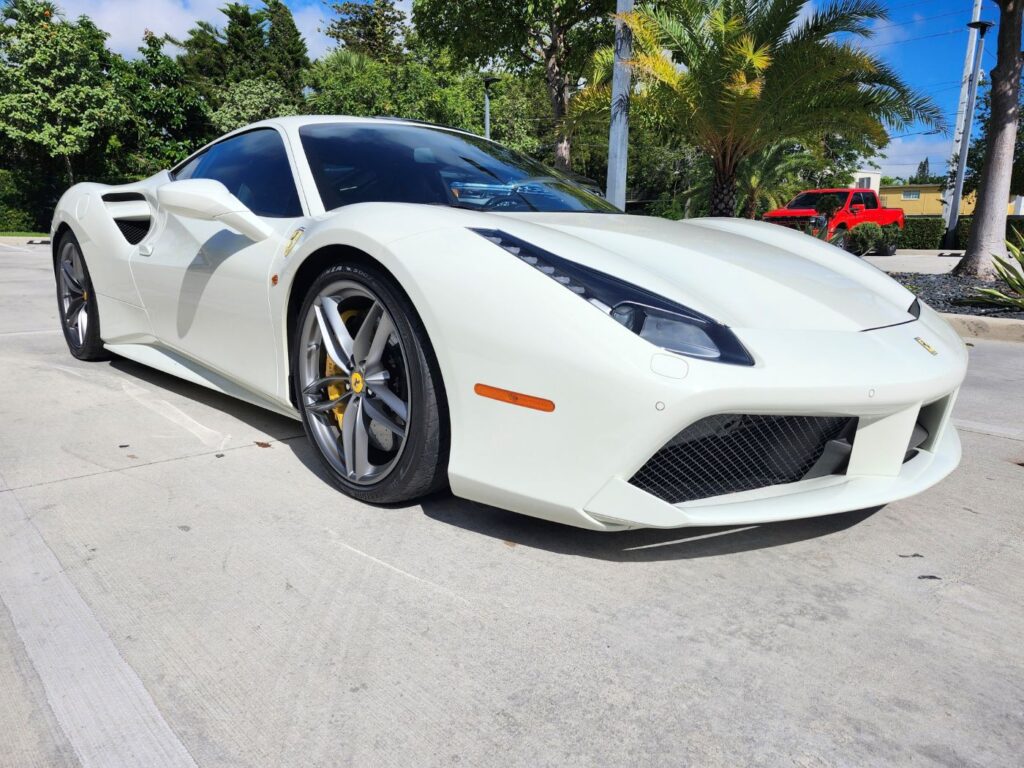
For example, a Porsche or Mercedes-AMG vehicle may include thousands—or even tens of thousands—of dollars in factory options that are not clearly reflected in a basic VIN decode. These options may include:
- Performance packages
- Carbon fiber components
- Premium interior materials
- Advanced driver assistance systems
- High-end audio systems
- Exclusive manufacturer options
If these options are not properly identified in the valuation report, the vehicle’s calculated value can be significantly lower than its true market value.
In addition, many luxury vehicles have specialized trim levels or limited production variants that require deeper research to accurately determine their market value.
A skilled vehicle appraiser will typically review multiple sources when evaluating a high-value vehicle, including manufacturer option databases, dealer build sheets, and market listings for comparable vehicles with similar configurations.
Because of the complexity involved, luxury and exotic vehicles are often strong candidates for independent appraisal review when they are declared a total loss.
A detailed valuation analysis can help ensure that the vehicle’s unique options, configuration, and market demand are properly reflected in the final settlement amount.
Understanding Total Loss Claims: Related Guides
Total loss claims involve several factors including Florida insurance law, valuation methods, comparable vehicles, and settlement negotiations. The following guides explain how total loss claims are handled and what options vehicle owners may have when disputing an insurance settlement.
- Florida’s Total Loss Law Explained: Understanding the 80% Rule
- How to Challenge Your Insurance Company’s Total Loss Offer
- Step by Step Guide: Invoking the Total Loss Appraisal Clause
- What Happens When Your Car Is Declared a Total Loss in Florida
- How Insurance Companies Determine the Value of a Total Loss Vehicle
- What To Do If Your Insurance Company Undervalued Your Car in a Total Loss
- Comparable Vehicles in Total Loss Valuation
- Can You Keep Your Car After a Total Loss in Florida?
- Total Loss Settlement Negotiation
Frequently Asked Questions About Total Loss Claims
Can I dispute the insurance company’s total loss value?
Yes. If you believe the insurance company’s total loss settlement offer does not accurately reflect your vehicle’s pre-loss value, you have the right to dispute the valuation. Insurance companies determine total loss values using market valuation reports that rely on comparable vehicle sales and automated adjustments. However, these reports may contain errors such as incorrect vehicle options, inaccurate mileage adjustments, or poorly selected comparable vehicles.
If your claim is filed through your own insurance policy under collision coverage, your policy may contain an appraisal clause. This clause allows both the policyholder and the insurance company to appoint independent appraisers to determine the vehicle’s value. The two appraisers review market data, evaluate the vehicle’s characteristics, and negotiate a final value based on professional appraisal methodology.
If the claim is filed against another driver’s insurance policy, the appraisal clause usually does not apply. In those situations, disputes are typically handled through negotiation with the insurance adjuster by providing evidence that supports a higher vehicle value.
How do insurance companies determine a total loss value?
Insurance companies typically calculate a total loss value using a market valuation report generated by third-party software systems such as CCC Intelligent Solutions, Mitchell, or Audatex. These systems analyze recent sales of similar vehicles in the local market and apply adjustments for mileage, condition, vehicle options, and market conditions.
The resulting value is intended to represent the actual cash value (ACV) of the vehicle immediately before the accident occurred. However, the accuracy of these valuations depends heavily on the quality of the comparable vehicles selected and the adjustments applied by the software.
In some cases, comparable vehicles may not truly match the insured vehicle’s trim level, condition, or equipment. These discrepancies can significantly influence the calculated value. Reviewing the valuation report carefully is therefore an important step when evaluating whether the insurance company’s offer is reasonable.
What is the appraisal clause in an insurance policy?
The appraisal clause is a provision included in many automobile insurance policies that allows valuation disputes to be resolved through a structured appraisal process. When the policyholder and the insurance company cannot agree on the value of a vehicle, either party may invoke the appraisal clause.
Under this process, each side appoints an independent appraiser to evaluate the vehicle and determine its market value. The two appraisers review valuation data, comparable vehicle sales, and vehicle specifications in order to determine the most accurate value.
If the appraisers cannot reach an agreement, a neutral umpire may be selected to review the evidence and make a final determination. The value agreed upon by any two members of the panel becomes the final settlement value for the claim.
This process is designed to resolve valuation disputes efficiently without requiring court intervention.
Does the appraisal clause apply to third-party insurance claims?
In most situations, the appraisal clause only applies to first-party claims, meaning claims filed through your own insurance policy. This is because the appraisal clause is part of the insurance contract between the policyholder and their insurance company.
When a claim is filed against another driver’s insurance company, the vehicle owner is considered a third-party claimant and is not bound by the other driver’s insurance contract. As a result, the contractual appraisal process usually does not apply.
In these situations, valuation disputes must typically be resolved through negotiation with the insurance adjuster, by providing evidence that supports the vehicle’s true market value. In some cases, legal action may be necessary if a fair settlement cannot be reached.
What should I do if my car is declared a total loss?
If your vehicle is declared a total loss, the first step is to request the insurance company’s Market Valuation Report. This document explains how the insurer calculated the vehicle’s value and includes the comparable vehicles used in the analysis.
Once you receive the report, review it carefully to confirm that the vehicle information, options, mileage, and comparable vehicles appear accurate. Errors in these areas can significantly affect the settlement amount.
If you are unsure whether the offer is fair, a professional vehicle appraiser can review the valuation report and determine whether the vehicle appears undervalued. If errors are identified, the appraiser may assist in challenging the valuation through negotiation or the appraisal clause process.
Before You Accept a Total Loss Offer
If the insurance valuation looks low, a quick review can identify common issues like incorrect comparables, missed options,
or improper condition adjustments.
Call to Speak With an Appraiser: 754-210-9807