
 Call us now:

Total Loss Appraisal Guide
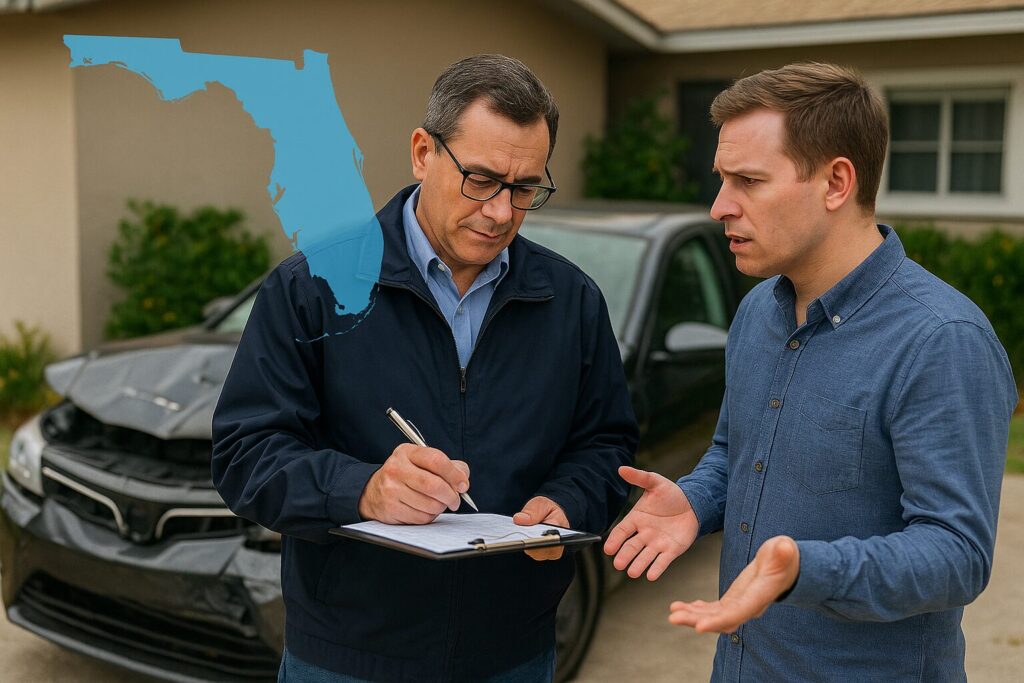
The appraisal clause in an auto insurance policy allows an insured driver to dispute the insurer’s total loss valuation by hiring an independent appraiser to determine the vehicle’s value.
After years of reviewing insurance valuation disputes, one thing consistently stands out: most total loss disagreements are not about whether the vehicle qualifies as a total loss. They are about whether the insurer’s valuation accurately reflects the real market.
Before invoking appraisal, policyholders often attempt to resolve valuation differences directly with the insurance company. If the settlement offer appears inaccurate, our guide explaining what to do if your insurance company undervalued your car provides additional context.
Definition
What Is an Appraisal Clause?
An appraisal clause is a provision in an insurance policy that provides a structured process for resolving a disagreement about the value of insured property. In a total loss vehicle dispute, the policyholder and insurer each appoint an appraiser to evaluate the vehicle’s pre-loss value.
Key Takeaways About the Total Loss Appraisal Clause
01
The appraisal clause addresses disputes about vehicle value.
02
Both sides appoint appraisers who review market evidence and valuation methodology.
03
An impartial umpire may become involved if the appraisers cannot agree.
04
The process generally applies to first-party claims under the insured’s own policy.
05
Appraisal is typically considered after ordinary settlement discussions fail.
Understanding the Policy Provision
Understanding the Total Loss Appraisal Clause
When a vehicle is declared a total loss, the insurance company determines an Actual Cash Value (ACV) — its estimate of what the vehicle was worth immediately before the loss.
If the vehicle owner believes that value is too low, an applicable appraisal clause may provide a process for challenging the valuation through independent appraisers.
Understanding how insurers develop that number is important before beginning a dispute. Our guide to how insurance companies determine total loss value explains the role of comparable vehicles, mileage, options, condition, and market data.
Important Distinction
Value Dispute vs. Coverage Dispute
The appraisal clause is intended to address disagreement over value. It is not designed to decide whether a loss is covered, who was liable for the accident, or whether a policy exclusion applies.
When Appraisal Fits
When the Appraisal Clause Should and Should Not Be Used
The appraisal clause is designed to resolve disputes about vehicle value. If the insurer agrees that the vehicle is a total loss but the amount of the settlement is disputed, appraisal may be appropriate.
Before invoking appraisal, confirm that the disagreement centers on the vehicle’s actual cash value rather than liability, coverage, or policy exclusions.
Appraisal May Fit When
The vehicle is accepted as a total loss, but the policyholder and insurance company disagree about its pre-loss market value.
Appraisal Does Not Decide
Questions involving liability, denied coverage, policy exclusions, or other legal disputes outside the value of the vehicle.
Many disagreements are first addressed through settlement discussions. Our guide to total loss settlement negotiation explains how those discussions are typically handled.
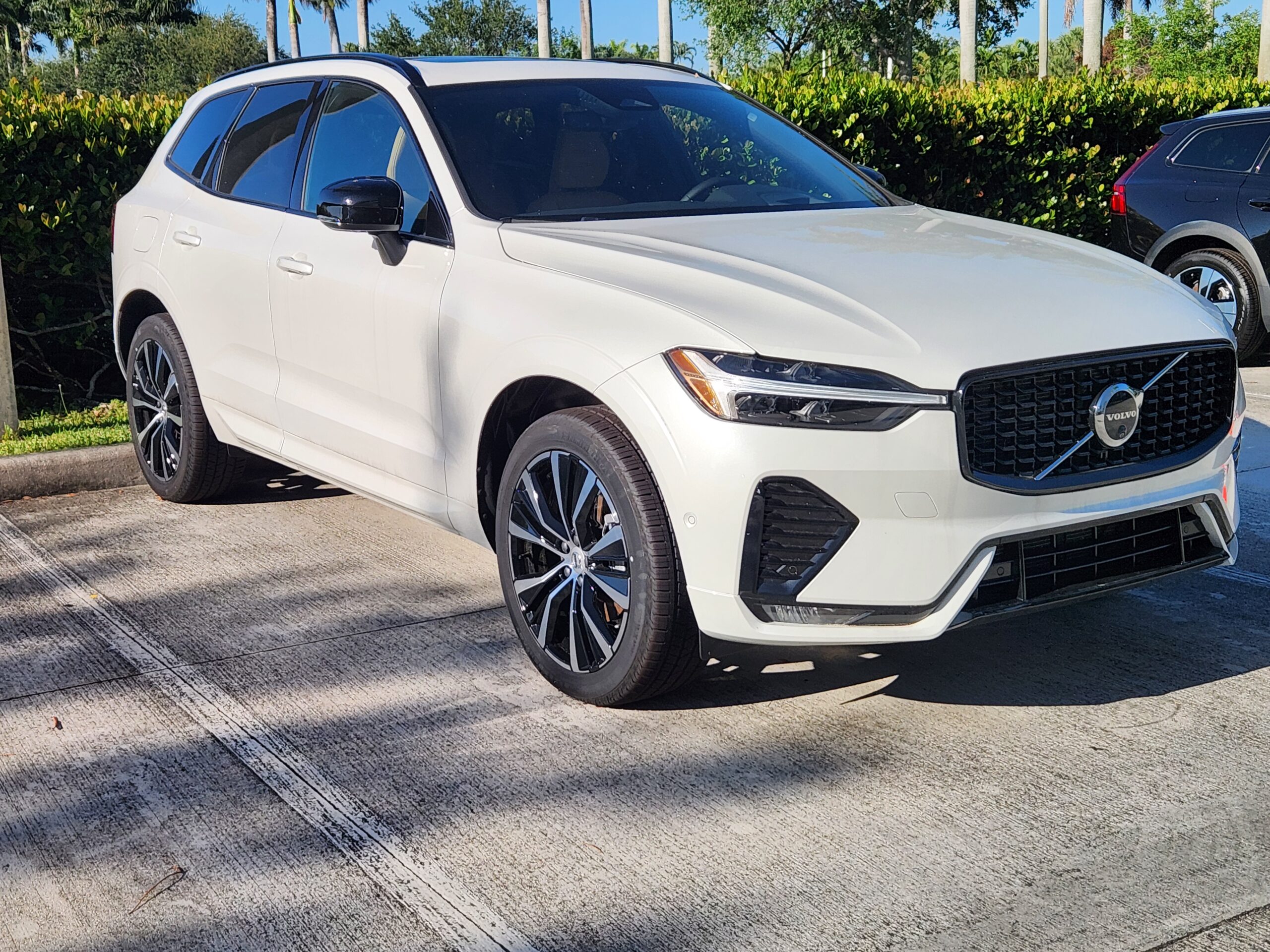
Vehicle configuration, equipment, condition, and market comparables all play an important role in determining pre-loss value
Florida Claims
Florida Law and Who Can Invoke the Appraisal Clause
The availability and operation of appraisal depend on the insurance policy, the type of claim, and the circumstances of the dispute. Vehicle owners should review the actual appraisal provision in their policy before invoking the process.
For broader background on vehicle total loss requirements in the state, see our guide to Florida total loss law.
First-Party Claim
A claim made under your own insurance policy may include appraisal rights when the policy contains an applicable appraisal provision.
Third-Party Claim
A claim against another driver’s insurance company does not use the appraisal clause contained in your own policy.
Timing Matters
Review the policy and confirm your options before treating the valuation dispute as fully resolved or accepting the settlement as final.
Florida Consumer Resources
Vehicle owners researching insurance claim dispute procedures may also review official information from the Florida Department of Financial Services – Division of Consumer Services.
Step-by-Step Process
How to Invoke the Total Loss Appraisal Clause
The exact procedure is governed by the language in the insurance policy. In general, the process follows a sequence like this:
1
Review the Appraisal Provision
Read the policy’s Appraisal section carefully to confirm the required procedure, deadlines, and responsibilities of each party.
2
Select an Independent Appraiser
Choose an appraiser experienced in total loss valuation and able to document the vehicle’s configuration, condition, market, and comparable vehicles.
3
Notify the Insurance Company
Invoke the appraisal provision in writing according to the requirements of the policy and retain copies of the correspondence.
4
The Insurer Selects Its Appraiser
Each appraiser independently evaluates the vehicle using market data, configuration details, condition information, and comparable vehicles.
5
The Appraisers Compare Their Findings
Differences in vehicle configuration, market evidence, condition adjustments, and comparable vehicles are reviewed and discussed.
6
An Umpire May Become Involved
If the appraisers cannot agree, the procedure in the policy may provide for a neutral umpire to participate in resolving the valuation dispute.
Strategy & Timing
Strategic Timing and Leverage in the Appraisal Process
Timing matters. Before invoking appraisal, corrected comparable vehicles, configuration errors, missing equipment, or other valuation problems may sometimes be presented directly to the insurer in an effort to resolve the disagreement without escalating the process.
If obvious valuation differences remain unresolved, appraisal formalizes the dispute and moves the vehicle-value question to independent valuation professionals rather than leaving it solely within the insurer’s internal process.
From Our Experience
One of the most important steps is identifying valuation problems early. Vehicle owners often focus only on the insurer’s final dollar amount, while the real issue may be the comparable vehicles, missing equipment, mileage, or condition assumptions used to build that number.
Understanding the difference between fair market value and actual cash value can also help vehicle owners understand what the insurer is attempting to determine.
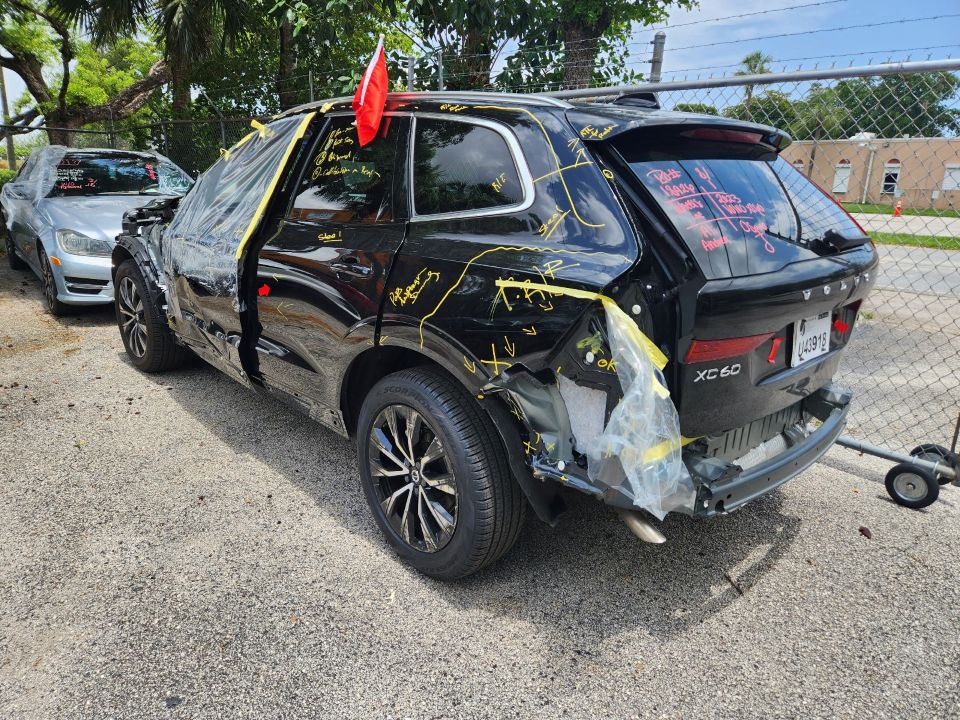
A real Florida total loss appraisal illustrates how market evidence and vehicle configuration can affect a valuation dispute.
Real-World Example
A Successful Appraisal Outcome
+$6,800A client’s 2023 Volvo was declared a total loss. The insurer’s initial offer undervalued the vehicle by nearly $7,000.
After the appraisal clause was invoked, Auto Praise prepared an independent valuation using verified comparable vehicles, vehicle configuration, and appropriate condition analysis. The client ultimately received an additional $6,800.
During the Pompano Beach inspection, the vehicle’s trim, safety equipment, and configuration were documented so the valuation analysis reflected the actual vehicle rather than relying solely on automated assumptions.
If you believe your insurer’s valuation does not accurately reflect your vehicle, see what to do if your insurance company undervalued your car.
Building the Evidence
What a USPAP-Compliant Total Loss Appraisal Includes
A properly prepared total loss appraisal should follow recognized valuation standards and contain documented market support for the opinion of value.
Vehicle Identification
VIN decoding, trim verification, configuration, packages, and installed equipment.
Comparable Research
Market vehicles matched as closely as possible for mileage, equipment, condition, and location.
Adjustment Analysis
Transparent explanation of material differences between the subject vehicle and comparables.
Opinion of Value
A supported market-value conclusion as of the applicable date of loss.
This structured approach helps ensure that the valuation conclusion is supported by objective market evidence rather than relying entirely on automated vendor assumptions.

Vehicle configuration, condition, options and documentation can all become important evidence in a valuation dispute.
Evaluating the Evidence
Common Insurance Carrier Positions During Appraisal
Insurer-appointed appraisers may rely heavily on internal valuation reports and vendor data. Differences often arise from the evidence selected and how adjustments are applied.
Common areas of disagreement include:
- Use of vehicles that are not truly comparable
- Condition adjustments that do not reflect the loss vehicle
- Failure to account for documented factory options or configuration
- Comparable vehicles selected outside the most relevant geographic market
When both appraisers prepare independent analyses, the quality of the market evidence becomes central to resolving the dispute.
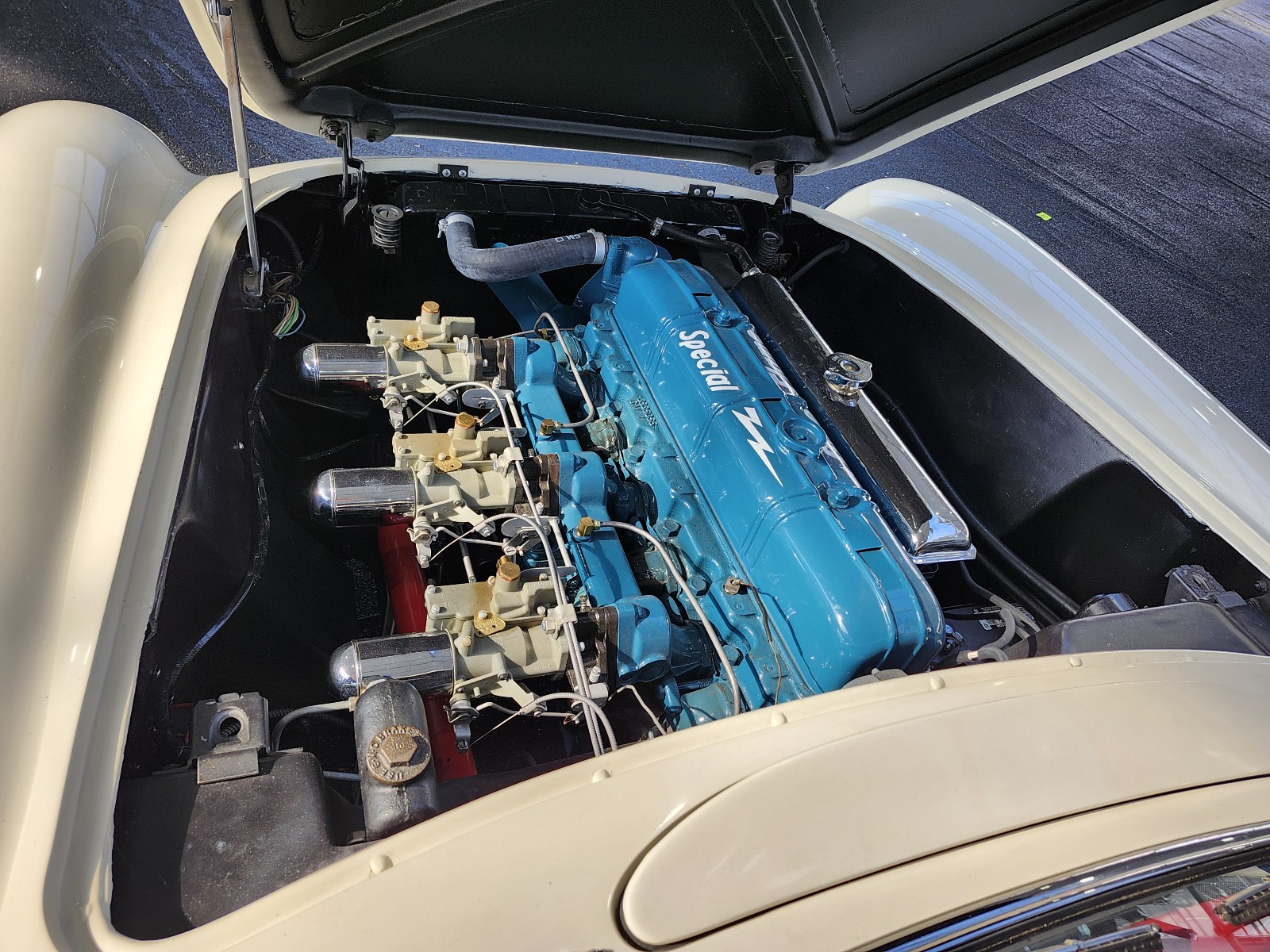
Accurate identification of equipment and configuration can materially affect a defensible vehicle valuation.
Practical Considerations
Experience, Risks and Limitations of the Appraisal Clause
From Our Experience
Vehicle owners sometimes accept a settlement without realizing that the value itself may be open to challenge under their policy. Reviewing the valuation early gives the owner an opportunity to identify questionable comparables, configuration errors, or market assumptions before the claim is treated as resolved.
Appraisal Does Not Guarantee a Higher Settlement
Appraisal is a valuation process, not a promise of a particular result. The strength of the market evidence matters, and the final determination may be higher, lower, or similar to the insurer’s original valuation.
Each party typically pays its own appraiser and may also be responsible for a share of the umpire’s cost. Vehicle owners should consider the size of the valuation disagreement and the likely cost of the process before proceeding.
Continue Your Research
Total Loss Claim Resources
Understanding how insurance companies determine vehicle value makes it easier to identify where a disagreement may originate. These related resources explore the most important parts of a total loss valuation dispute.
How Insurance Companies Determine Total Loss Value
See how insurers use comparable vehicles, mileage, options, condition, and regional market data.
Comparable Vehicles in Total Loss Valuation
Learn why the quality of comparable vehicles can materially affect the settlement amount.
Florida Total Loss Law
Review the broader Florida rules and considerations surrounding total loss claims.
Fair Market Value vs. Actual Cash Value
Understand two valuation concepts that frequently appear during insurance disputes.
Independent Total Loss Appraisals
Learn how Auto Praise evaluates a vehicle’s pre-loss market value independently.
Orlando Mercedes-Benz Total Loss Case Study
See another documented example of a Florida vehicle valuation dispute.
Frequently Asked Questions
FAQs About the Total Loss Appraisal Clause
Can I invoke the appraisal clause after I’ve accepted payment?
Timing can affect appraisal rights. Review the appraisal provision in your policy and confirm your available options before treating the settlement as final.
Does the appraisal clause apply to third-party claims?
The appraisal clause in your own insurance policy generally applies to qualifying first-party claims made under that policy. A claim against another driver’s insurer is a different type of claim.
How long does the appraisal process take?
Timing varies according to the complexity of the valuation, responsiveness of the parties, availability of the appraisers, and whether an umpire becomes necessary.
What happens if both appraisers disagree?
The policy may provide for a neutral umpire when the two appraisers cannot agree. The specific procedure and requirements should be confirmed in the appraisal provision of the insurance policy.
Free Claim Review
Think Your Total Loss Valuation May Be Too Low?
Auto Praise can review the insurer’s valuation report, comparable vehicles, configuration, mileage, equipment, and market evidence to help determine whether the settlement accurately reflects your vehicle’s pre-loss value.
Call Now – Free Claim Review 754-210-9807Florida Licensed Adjusters • I-CAR Platinum Certified Auto Physical Damage Appraisers • IACP Certified Auto Appraisers