
 Call us now:

If you have ever tried to trade in a vehicle with a prior accident, you have likely experienced the immediate shift in a dealer’s tone the moment they run the vehicle history report. Even if your car looks and drives like it just rolled off the showroom floor, the trade in value after accident is governed by a different set of rules than a clean-title vehicle. As an appraiser who has spent years analyzing market data in Miami, Palm Beach, and Naples, I have seen firsthand how dealerships use accident history as a primary lever to reduce their risk and maximize their margins.
The reality of the secondary market is that a vehicle is only worth what a buyer is willing to pay. For a dealership, a car with an accident record is a liability that stays on the lot longer and requires a significant price drop to attract a retail customer. This is why the trade in value after accident often drops by thousands of dollars more than the actual cost of the repairs.
The Logic Behind the Dealer Trade-In Discount
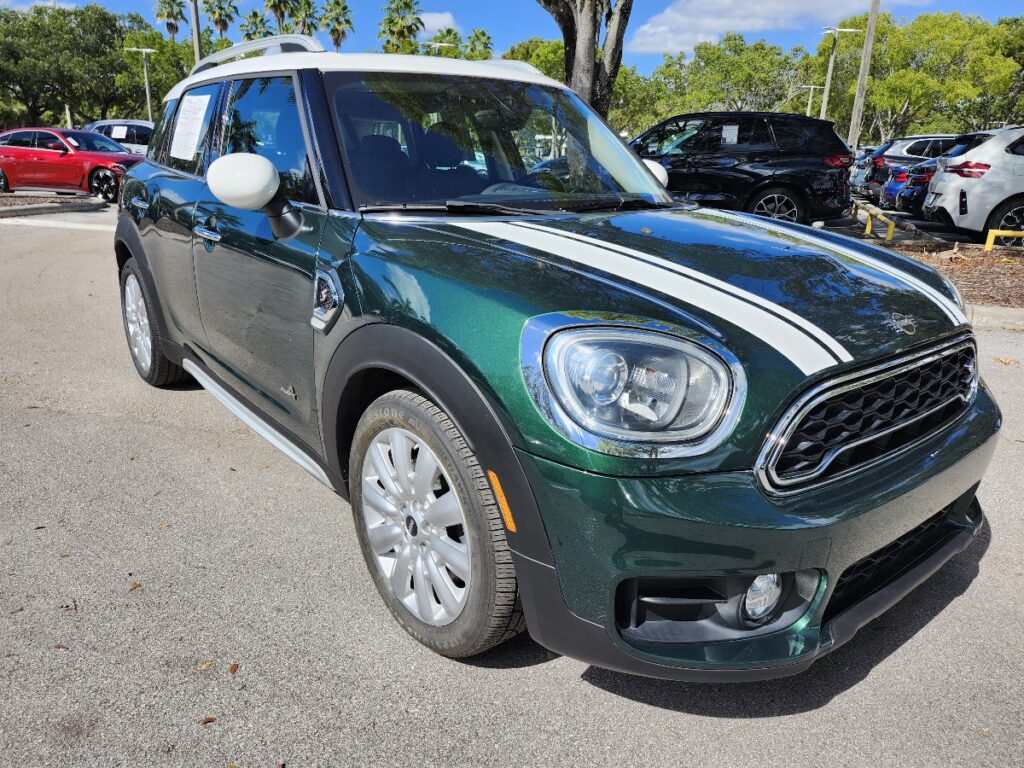
When a dealer evaluates your car, they are not looking at its utility or how well you have cared for it. They are looking at its liquidity. A car with a clean CARFAX is a Grade A asset that can be sold quickly, often as a Certified Pre-Owned vehicle. A car with an accident history, however, is a Grade B or C asset.
The dealer trade-in discount is calculated to account for several factors. First, the car cannot be certified by the manufacturer, which removes a layer of warranty protection and prestige that retail buyers pay a premium for. Second, the dealer must disclose the accident history to any savvy buyer. To overcome the natural hesitation of a buyer looking at a damaged vehicle, the dealer has to price the car lower than every other comparable clean vehicle on the market. To protect their profit, they pass that entire price reduction, plus an additional buffer for the risk of a slow sale, onto you.
Understanding Wholesale vs Retail Value
A common point of frustration for my clients is the massive gap between what they see cars selling for online and what the dealer offers them at the desk. This is the difference between wholesale vs retail value. The retail value is the high-water mark for a perfect vehicle sold to a consumer. The wholesale value is what the dealer pays to acquire the inventory.
When a car has an accident record, the wholesale vs retail value gap widens significantly. Dealers know that if they cannot sell your car on their own lot, they will have to send it to a dealer-only auction. At auction, vehicles with structural history or moderate accident records are flagged, and the bidding is significantly more conservative. The offer you receive at the dealership is designed to ensure the dealer doesn’t lose money if they are forced to dump the car at a wholesale auction.
The Psychological Impact of a Flagged History Report
The trade in value after accident is also heavily influenced by the psychological stigma attached to the vehicle. Even if I can prove with technical documentation that the structural integrity of the vehicle is intact, a retail buyer in a market like Naples or Palm Beach is looking for perfection. They will often skip over a listing with an accident flag entirely, regardless of the price.
This lack of demand forces the dealer to be aggressive with their initial offer to you. In my professional experience, I have seen dealers deduct 20 percent to 30 percent from the trade-in offer simply because of a moderate accident record. They aren’t necessarily being unfair; they are simply reacting to a market that treats a repaired vehicle as a compromised investment.
Strategic Guide: Professional Valuation
Is a low trade-in offer costing you thousands in equity? A dealership quote is often the best proof that your car has lost value. Learn more about our Diminished Value Appraisal Services
Why Structural Damage History is a Deal-Breaker
If your vehicle has suffered structural damage, the impact on your equity is even more severe. Many franchise dealerships have internal policies that prevent them from keeping vehicles with structural history on their retail lots. If you bring a car with a structural integrity repair to a high-end dealer, they will often give you a low-ball wholesale offer because they intend to send the car straight to an auction.
As I discussed in my previous article on the effect of structural damage on a car’s value, once the frame is involved, the vehicle’s marketability is fundamentally changed. You are no longer negotiating over a car; you are negotiating over a piece of inventory that the dealer doesn’t actually want to own.
Total Loss Disputes and Trade-In Data
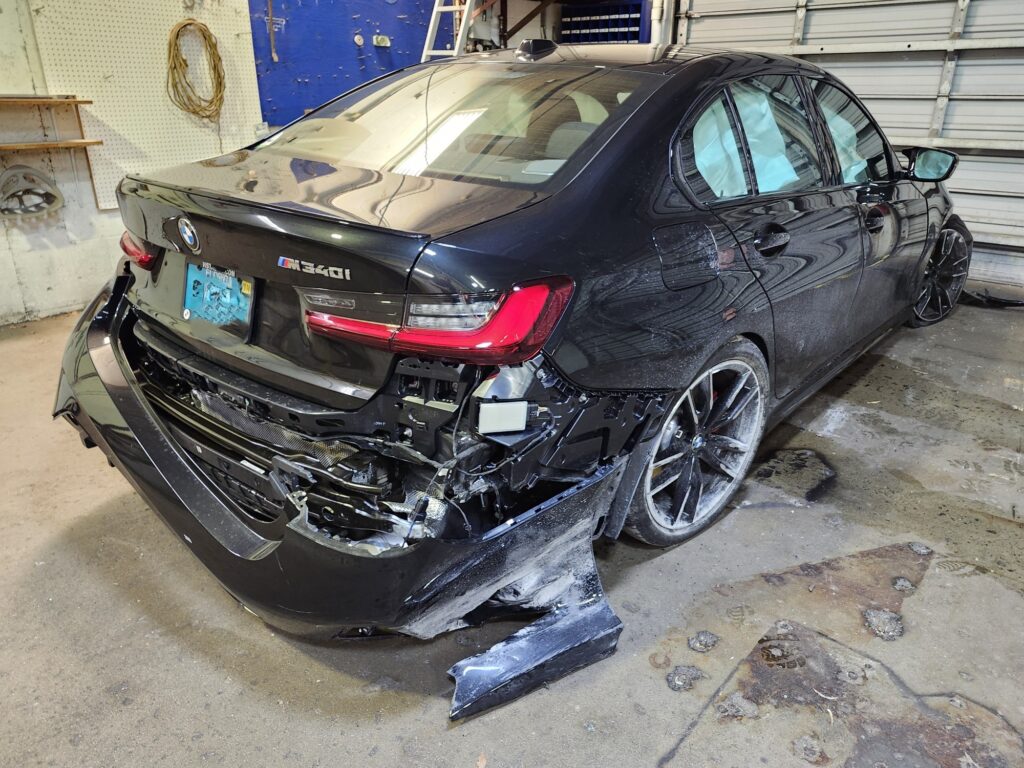
Sometimes, the trade in value after accident is so low that the car should have been considered a total loss from the beginning. Insurance companies use automated software that often overestimates what your car is worth after an accident to avoid paying out a total loss claim.
If no dealer in Miami or Palm Beach is willing to pay more than $20,000 for your repaired car, then the insurance company shouldn’t be valuing it at $30,000 in their internal reports. This discrepancy is a primary reason why many total loss settlements are far too low.
Strategic Guide: Total Loss Accuracy
Is the insurance company’s valuation based on reality or a computer formula? We use real-world market data to ensure your settlement is fair. Verify your vehicle’s value with a Total Loss Appraisal
Documenting the Loss for Your Claim
To fight back against a dealer trade-in discount, you need a professional appraisal that quantifies the loss in a way the insurance company cannot ignore. A simple quote from a dealer is a good start, but as I explained in our guide on what belongs in a certified appraisal report, you need a USPAP-compliant document that analyzes auction trends and comparable sales to prove the loss in court or at the negotiating table.
By documenting the exact trade in value after accident, we bridge the gap between what the insurance company wants to pay and what the market is actually telling us. This is especially important for luxury and exotic owners who have the most to lose when a history report anchors their car’s worth.
Strategic Guide: Florida Diminished Value Law
The law in Florida allows you to recover the loss in value caused by an accident. Don’t let the insurance company leave you with a devalued asset. Understanding Florida Diminished Value Law
Navigating the Trade-In Negotiation
When you are ready to trade in your vehicle, I always recommend getting multiple quotes. Go to a franchise dealer for your specific make, a large used-car retailer, and a local independent dealer. This gives you a range of data points. When they all come back with a significantly lower offer than a clean-title car, you have the evidence needed to support your diminished value claim.
Keep in mind that the trade in value after accident is a reflection of the current market. If you are in a high-demand market like Miami, you might find slightly more leniency, but the underlying loss will always be there. My role as an independent auto appraiser is to accurately quantify and document the loss in market value so you aren’t the one paying the price for an accident you didn’t cause.
Strategic Guide: Florida Claim Education
Ready to recover the equity you’ve lost? Our guide explains exactly how to file a claim and what documentation you need to succeed. Read our Diminished Value Claim Guide
Final Thoughts from the Field
The automotive market is more transparent than it has ever been. With history reports available at the click of a button, there is no hiding an accident. This transparency has made the trade in value after accident one of the most predictable financial losses in the industry.
Understanding the logic of the dealer trade-in discount and the difference between wholesale vs retail value is the first step in protecting your investment. I am here to provide the credentialed authority and technical insight needed to ensure your appraisal report reflects the real-world hit your car’s value has taken.
Why is the trade-in offer so much lower than the private party value?
Dealers have to account for the risk of reselling the car, the cost of reconditioning, and their own profit margin. When a car has an accident history, those risks are higher, so the trade-in offer is adjusted downward significantly to ensure the car can be sold profitably at a discounted retail price.
Can a dealer tell if a car was in an accident if it’s not on the CARFAX?
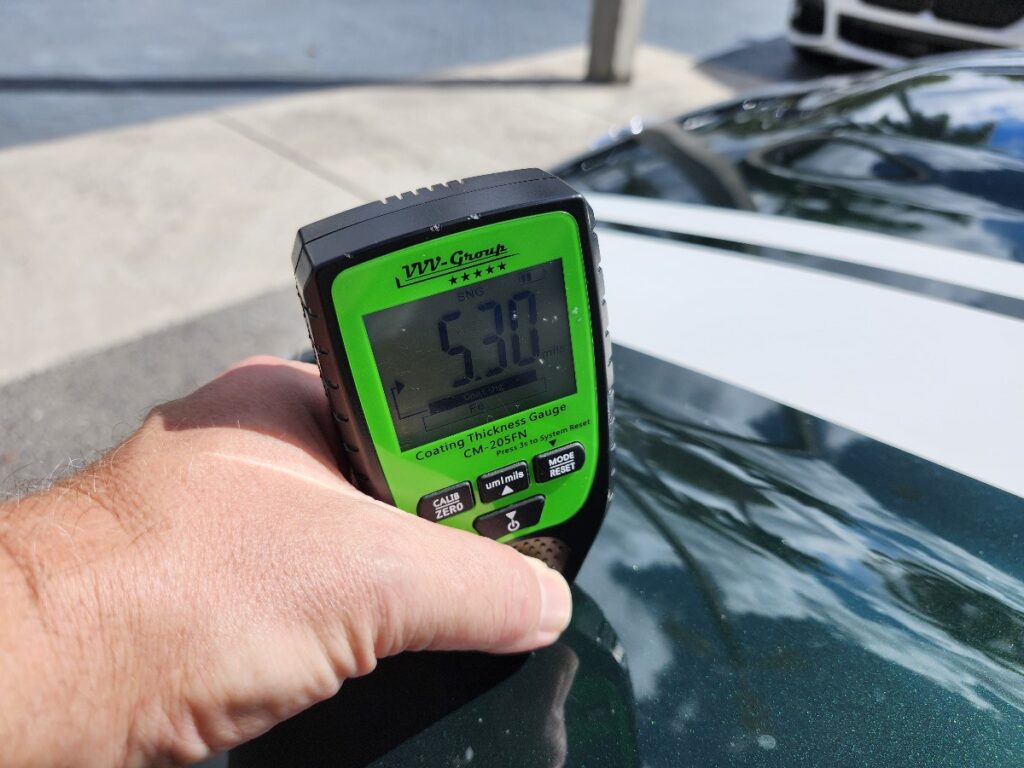
Yes. Experienced appraisers at dealerships use paint depth gauges, look for non-factory welds, and check for overspray on trim pieces. Even if the accident hasn’t hit the report yet, a professional physical inspection will usually reveal the history, which will still lead to a dealer trade-in discount.
Does the trade in value after accident improve if I wait a few years?
While the dollar amount of the loss may decrease as the car’s overall value goes down, the percentage of loss often stays the same. An accident history is a permanent mark. It is usually best to file your diminished value claim as soon as repairs are completed to recover the loss while the vehicle’s value is at its highest.
Will a dealer still take my car if it had structural damage?
Most franchise dealers will take it, but they will not keep it on their lot. They will offer you a wholesale price and send it to an auction. This results in the steepest trade-in discounts, often 30 percent or more below the value of a clean-titled car.
How does a professional appraisal help with a low trade-in offer?
A professional appraisal uses market data and auction trends to prove that the low trade-in offer is a direct result of the accident history. This document provides the evidence the insurance company needs to see to justify paying out a diminished value claim.