
 Call us now:

If you have ever traded in or attempted to sell a vehicle after an accident, you may have experienced a frustrating reality. Even after high quality repairs, the vehicle is often worth less than a comparable vehicle with a clean history.
This phenomenon is commonly referred to as resale stigma after accident damage. In the automotive market, buyers, dealerships, wholesalers, and appraisers routinely apply a financial penalty to vehicles with reported accident history. In many cases, the reduction in value remains significant even when repairs appear visually flawless.
As an independent auto appraiser, I regularly inspect repaired vehicles throughout South Florida, including areas such as Boca Raton FL, Fort Lauderdale FL, Delray Beach FL, Coconut Creek FL, and Miami FL. In real world market conditions, buyers consistently treat repaired vehicles differently than vehicles that have never sustained damage.
This article explains why resale stigma exists, how it affects vehicle market value, why structural damage creates larger losses, and how diminished value appraisals help document the economic impact.
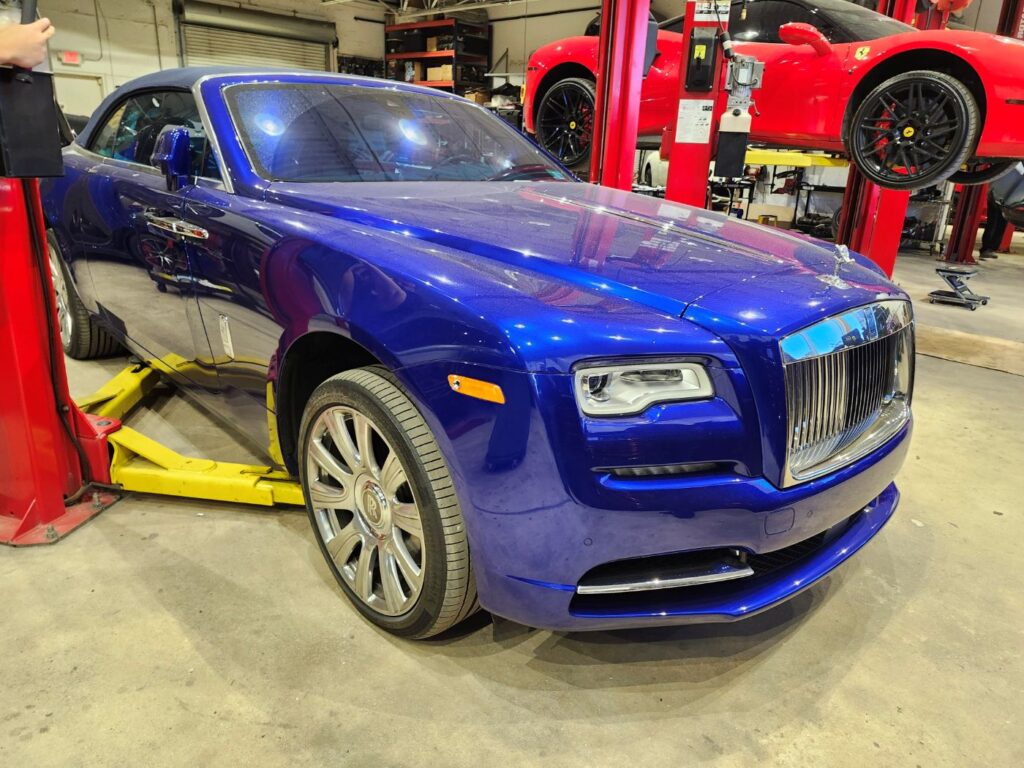
What Is Resale Stigma After Accident Damage?
Resale stigma refers to the negative perception attached to a vehicle once it has an accident history. Even when repairs are properly completed, the market frequently views the vehicle as carrying additional risk.
That risk perception directly affects:
- Trade in offers
- Private party resale value
- Dealer acquisition decisions
- Lease end evaluations
- Vehicle desirability
- Auction performance
- Financing and wholesale decisions
Modern vehicle history reporting systems such as CARFAX and AutoCheck have permanently changed the used vehicle marketplace. Buyers now have instant access to accident history reports before making purchasing decisions.
As a result, accident history has become a major pricing factor in the automotive market.
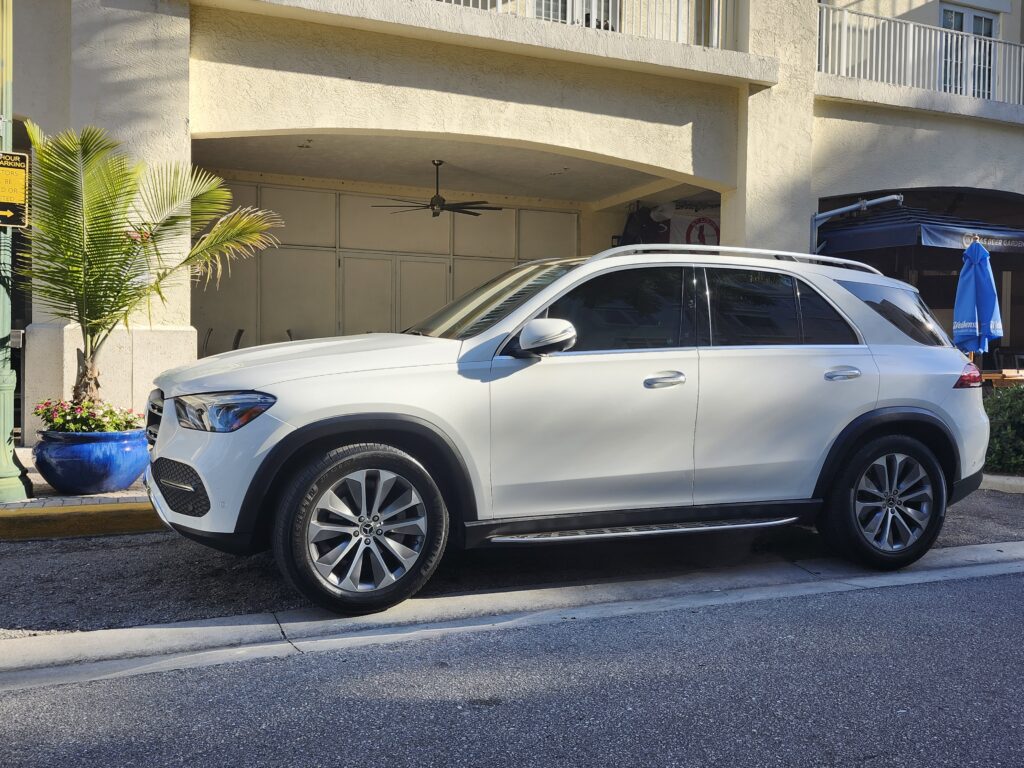
Why Buyers View Repaired Vehicles Differently
From a psychological standpoint, buyers often associate accident history with uncertainty.
Even when repairs are professionally completed, many consumers still worry about:
- Hidden structural damage
- Reduced long term reliability
- Safety concerns
- Premature corrosion
- Paint mismatch issues
- Airbag deployment history
- Frame alignment problems
- Electrical issues
- Reduced crash performance
- Future repair complications
In my experience inspecting repaired vehicles, these concerns become even more significant when the damage involved structural components, suspension systems, advanced driver assistance systems, or high end luxury vehicles.
The average consumer may not fully understand repair methodology, but they understand risk perception. That perception directly affects market value.
The Difference Between Repaired Condition and Market Perception
One of the biggest misunderstandings surrounding diminished value is the assumption that a vehicle regains full market value after repairs.
Mechanically and cosmetically, a repaired vehicle may function properly. However, the market does not always evaluate value strictly based on current physical condition.
Instead, the market also evaluates historical condition.
For example, two identical vehicles may appear nearly identical in person:
- Same year
- Same mileage
- Same equipment
- Same color
- Same overall condition
However, if one vehicle has a clean history and the other shows collision damage on a vehicle history report, the clean history vehicle will almost always command a higher resale price.
This is where inherent value loss and economic depreciation become important concepts.
What Is Inherent Diminished Value?
Inherent diminished value refers to the loss in market value that remains after repairs are completed.
This reduction occurs because the vehicle now carries a permanent accident history.
Unlike repair costs, diminished value measures the market reaction to the damage history itself.
In Florida, diminished value claims are commonly pursued against the at fault party’s insurance carrier following a collision.
Many consumers are surprised to discover that even relatively minor accidents can create measurable diminished value, especially when:
- Structural repairs are involved
- Multiple panels require refinishing
- Airbags deploy
- OEM weld locations are disturbed
- High end vehicles are involved
- New or low mileage vehicles are affected
- The damage appears on CARFAX
Why Structural Damage Creates the Largest Stigma
Not all accident damage affects value equally.
In the real world automotive market, structural damage generally produces the most significant resale stigma.
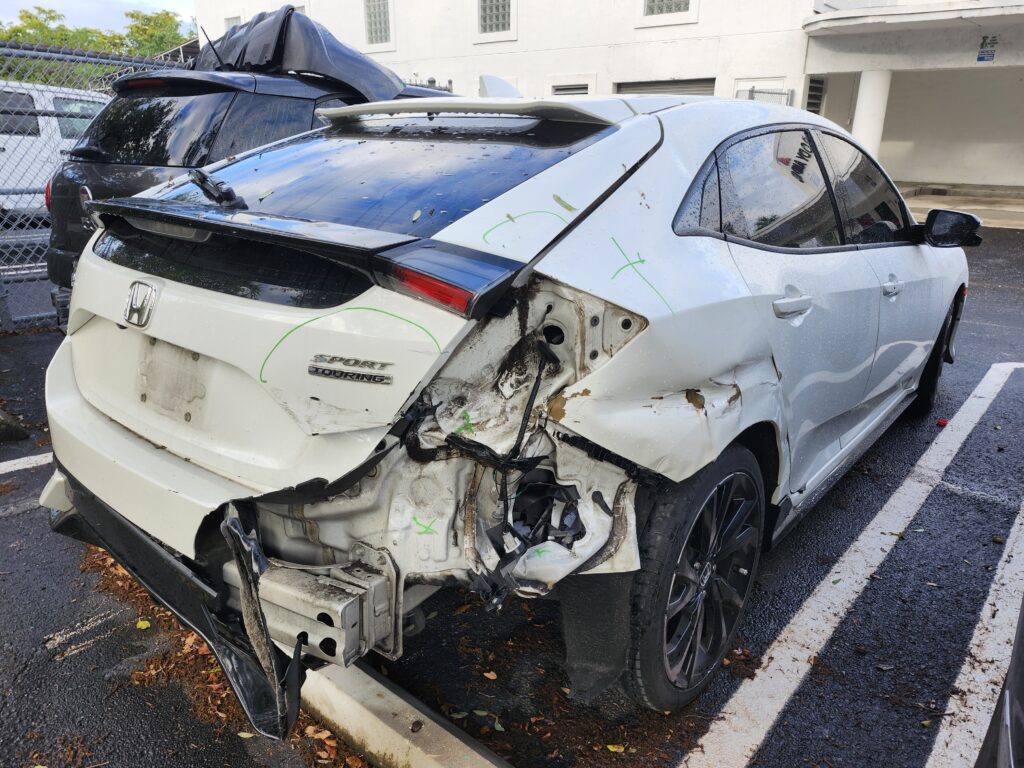
Structural components may include:
- Frame rails
- Unibody reinforcements
- Quarter panels
- Roof structures
- Rear body panels
- Pillars
- Core supports
- Aprons
When structural repairs are documented, dealerships and wholesalers often become more conservative when evaluating trade in value.
In many cases, I have observed dealers in South Florida dramatically reduce trade in offers once structural damage appears on a history report.
Luxury and performance vehicles are particularly sensitive to structural damage history because buyers in those markets tend to prioritize originality and clean history.
For example, a repaired luxury vehicle traveling heavily congested corridors such as I 95 through Fort Lauderdale FL or the Palmetto Expressway in Miami FL may appear cosmetically excellent after repairs. However, buyers still recognize the permanent history attached to the vehicle.
That historical damage record often follows the vehicle for the remainder of its life.
Why Dealers Slash Trade In Offers After Accidents
Many vehicle owners become frustrated after receiving unexpectedly low trade in offers.
However, dealerships evaluate vehicles from a business risk perspective.
When a dealer acquires a vehicle with accident history, they face several challenges:
Reduced Buyer Pool
Some buyers immediately avoid vehicles with accident history.
Increased Negotiation Resistance
Buyers often use accident history as leverage to negotiate lower pricing.
Auction Market Penalties
Wholesale auctions frequently discount repaired vehicles.
Certification Limitations
Some manufacturer certified pre owned programs restrict vehicles with certain damage histories.
Liability Concerns
Dealers may worry about future complaints regarding prior repairs.
Because of these factors, dealerships commonly lower acquisition numbers to offset perceived risk. This is one reason why diminished value appraisals frequently rely on trade in and wholesale market data rather than retail asking prices.
High End and Exotic Vehicles Suffer Larger Stigma Losses
In my experience, resale stigma becomes even more severe in luxury and exotic vehicle segments.
Brands such as Porsche, Ferrari, Bentley, Mercedes Benz, Aston Martin, McLaren, and Lamborghini often experience disproportionately high diminished value losses after collisions.
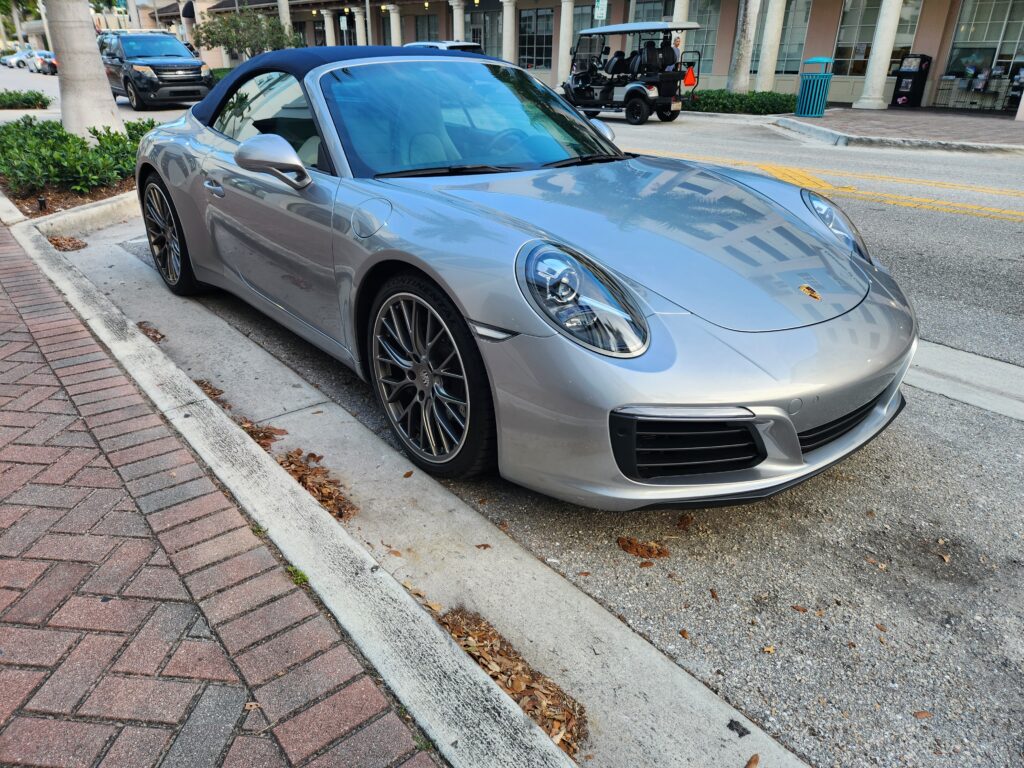
Buyers shopping for these vehicles typically expect:
- Original paint
- Clean history reports
- No structural repairs
- Factory originality
- Complete documentation
Even relatively minor repairs can create measurable value reductions in these markets.
For example, repainting a quarter panel on a high end exotic vehicle in areas such as Boca Raton FL, Palm Beach FL, or Miami Beach FL may substantially affect resale desirability.
Collectors and high end buyers frequently scrutinize paint meter readings, repair invoices, and vehicle history reports before completing transactions.
Vehicle History Reports Have Permanently Changed the Market
Years ago, repaired accident history was often less visible.
Today, consumers can instantly access vehicle history reports using a smartphone.
This increased transparency has permanently altered resale psychology.
Once accident information appears on a reporting platform, it often influences future:
- Trade in evaluations
- Dealer appraisals
- Loan underwriting
- Consumer confidence
- Auction values
- Lease return assessments
Even when repairs are excellent, the history itself remains part of the vehicle’s market identity.
This is why many insurance carriers dispute diminished value claims aggressively. Acknowledging resale stigma means recognizing that repair completion alone does not restore full economic value.
The Insurance Industry Perspective on Resale Stigma
Insurance companies often argue that proper repairs restore the vehicle to pre loss condition.
From a repair standpoint, this may partially apply.
However, from a market valuation standpoint, the automotive marketplace routinely demonstrates otherwise.
As an independent car appraiser, I evaluate diminished value based on actual market behavior rather than theoretical assumptions.
Real world market data consistently shows that:
- Buyers pay less for repaired vehicles
- Dealers offer less for vehicles with accident history
- Structural damage creates larger losses
- Luxury vehicles suffer greater stigma
- Newer vehicles experience stronger value impact
The market itself ultimately determines diminished value.
Why Diminished Value Appraisals Matter
A professional diminished value appraisal helps document the measurable economic impact of accident history.
An independent appraisal may evaluate:
- Vehicle history documentation
- Damage severity
- Structural repair involvement
- Paintwork extent
- Market comparables
- Trade in market data
- Vehicle desirability
- Prior condition
- Mileage
- Vehicle segment sensitivity
- Published market guide data
At Auto Praise, diminished value appraisals are performed by I Car Platinum Certified Auto Physical Damage Appraisers, IACP Certified Auto Appraisers, and ASE Master Certified professionals with decades of real world automotive inspection experience.
This experience matters because properly evaluating diminished value requires understanding both collision repair methodology and actual market behavior.
Why Independent Appraisers Matter in Diminished Value Claims
Many vehicle owners search for an independent auto appraiser because they want an unbiased evaluation of the vehicle’s true market loss.
Independent appraisers are not financially tied to the insurance carrier handling the claim.
Instead, the goal is to evaluate the actual measurable reduction in value based on documented market evidence and industry experience.
This becomes particularly important when dealing with:
- Structural repairs
- Luxury vehicles
- New vehicles
- Complex collision repairs
- Significant paintwork
- Frame damage
- Airbag deployment
- Multiple impact collisions
A properly documented diminished value appraisal can help support negotiations when the insurance company undervalues the claim.
Need Help Understanding Your Vehicle’s Post Accident Value Loss?
Many vehicle owners researching accident related market losses also review our detailed guide to diminished value appraisals to better understand how post accident value reductions are professionally documented. In addition, understanding Florida diminished value law can help vehicle owners learn how diminished value claims are commonly pursued after a collision involving another at fault driver.
For consumers trying to understand the complete claims process, our educational resource covering the full diminished value claim process explains the documentation, valuation methods, and market factors commonly involved in these types of claims.
If your vehicle was involved in an accident and you are concerned about resale stigma after accident damage, Auto Praise provides independent diminished value appraisals throughout Florida.
Real World Examples of Resale Stigma
Over the years, I have inspected many vehicles where owners were shocked by the financial impact of accident history.
Some common examples include:
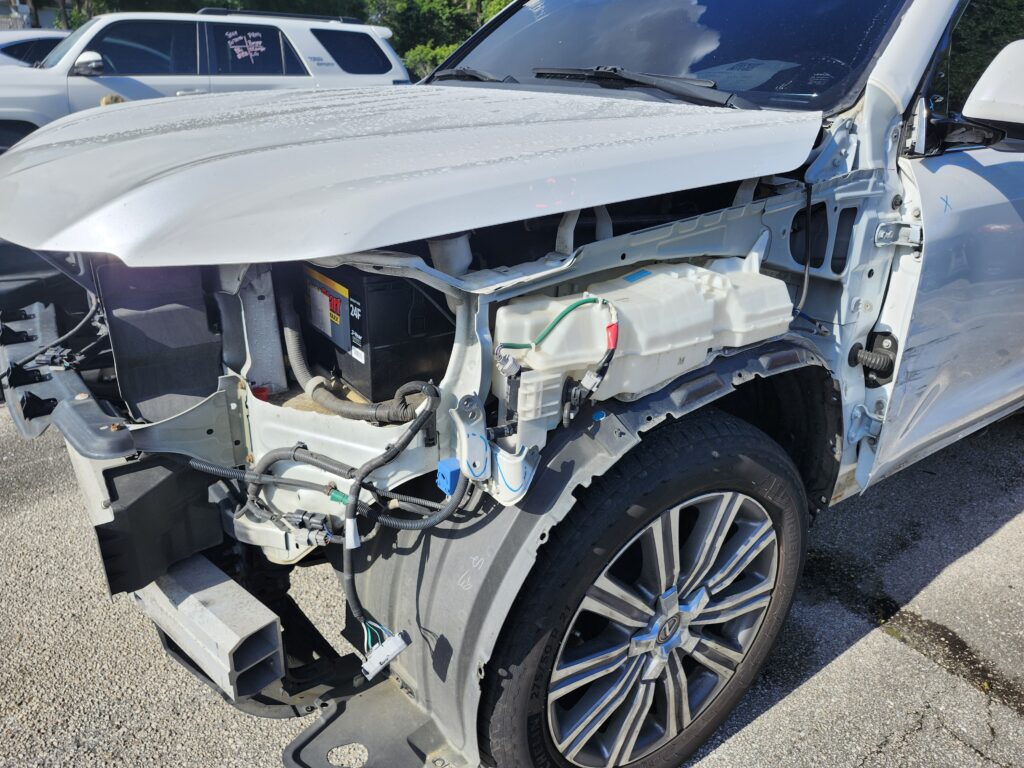
Late Model Luxury SUV with Front Rail Replacement
The vehicle was repaired properly and appeared visually excellent. However, the replacement of a structural front rail caused significant trade in penalties once dealers reviewed the history report.
Performance Vehicle with Minor Paintwork
Although the damage was relatively minor, the repainting of multiple panels reduced collector desirability and lowered private party value.
New Vehicle with Airbag Deployment
Even after repairs, the psychological impact of prior airbag deployment significantly reduced buyer confidence.
These examples demonstrate that diminished value is driven by market perception, not simply repair quality alone.
How Geographic Markets Influence Resale Stigma
Local market conditions can also influence diminished value severity.
In high income South Florida markets such as Boca Raton FL, Coral Gables FL, Weston FL, and Palm Beach Gardens FL, buyers often place a stronger emphasis on clean history vehicles.
High end dealership networks in these areas routinely evaluate:
- Vehicle history reports
- Prior paintwork
- Structural repairs
- OEM repair documentation
- Originality
As a result, resale stigma may become more severe in luxury focused markets.
Similarly, heavy commuter regions along I 95 and the Florida Turnpike tend to experience higher collision frequency, making accident history an increasingly important factor in used vehicle evaluations.
The Long Term Financial Impact of Accident History
Many consumers underestimate the long term financial consequences of accident history.
The loss may continue affecting:
- Future trade in transactions
- Lease equity
- Private party sales
- Dealer negotiations
- Loan payoff equity
- Vehicle marketability
For some vehicles, the financial impact may continue for years after repairs are completed.
This is especially true for:
- Luxury vehicles
- Collector vehicles
- Performance vehicles
- Newer vehicles
- Low mileage vehicles
Structurally repaired vehicles
Why “Fixed” Does Not Mean “Undamaged”
This concept ultimately summarizes the psychology behind resale stigma.
A repaired vehicle may be mechanically functional and cosmetically restored. However, the vehicle still carries a documented history that influences future market behavior.
Consumers, dealers, wholesalers, and appraisers all recognize that distinction.
As a result, repaired vehicles often experience measurable economic depreciation compared to equivalent clean history vehicles.
Understanding this difference is critical for vehicle owners pursuing diminished value claims.
Final Thoughts
Resale stigma after accident damage is a real and measurable phenomenon in today’s automotive marketplace.
Vehicle history reports, buyer psychology, dealer risk analysis, and wholesale market behavior all contribute to diminished value after collisions.
In many cases, the financial loss extends well beyond repair costs alone.
As an independent auto appraiser, I have consistently observed the market penalize vehicles with accident history, especially when structural repairs, airbag deployment, or luxury vehicle segments are involved.
While repairs may restore appearance and functionality, they do not always restore full market value.
For vehicle owners dealing with diminished value concerns in Florida, obtaining a professional independent appraisal can help document the true economic impact of accident history and support a stronger understanding of the vehicle’s real world market loss.
What is resale stigma after accident damage?
Resale stigma refers to the reduction in vehicle market value caused by negative buyer perception after an accident, even when repairs are properly completed.
Why does structural damage reduce resale value more?
Structural damage creates greater buyer concern regarding safety, integrity, and long term reliability. Dealers and wholesalers often apply larger discounts to structurally repaired vehicles.
Can diminished value apply even if repairs were excellent?
Yes. Diminished value measures market perception and economic loss, not simply repair quality.
Do luxury vehicles suffer greater diminished value?
Yes. High end and exotic vehicles typically experience stronger resale stigma because buyers in those markets place a premium on originality and clean history.
Are vehicle history reports responsible for diminished value?
Vehicle history reports significantly contribute to diminished value because they permanently document accident history for future buyers and dealerships.
Industry organizations such as I CAR also publish repair related educational resources that help explain the complexity of modern collision repair procedures and why vehicle history can continue affecting resale value even after repairs are completed. Additional automotive market data and valuation trends are frequently referenced through resources such as Kelley Blue Book and Black Book when evaluating vehicle market behavior.
Related Supporting Blogs
- Why Dealers Slash Trade In Offers for Vehicles with Accident History
- Aftermarket Parts: Why Parts Quality Matters for High End Resale
- Florida’s Total Loss Law Explained: Understanding the 80% Rule