
 Call us now:

In the high-stakes world of luxury and exotic vehicles, the difference between an investment-grade asset and a compromised one often comes down to the components used during a repair. When I conduct an exotic car appraisal in markets like Miami or Palm Beach, one of the first things I examine is the origin of the replacement parts. The debate over OEM vs aftermarket parts quality is not just about fit and finish; it is about maintaining the uncompromising standards that the original manufacturer intended.
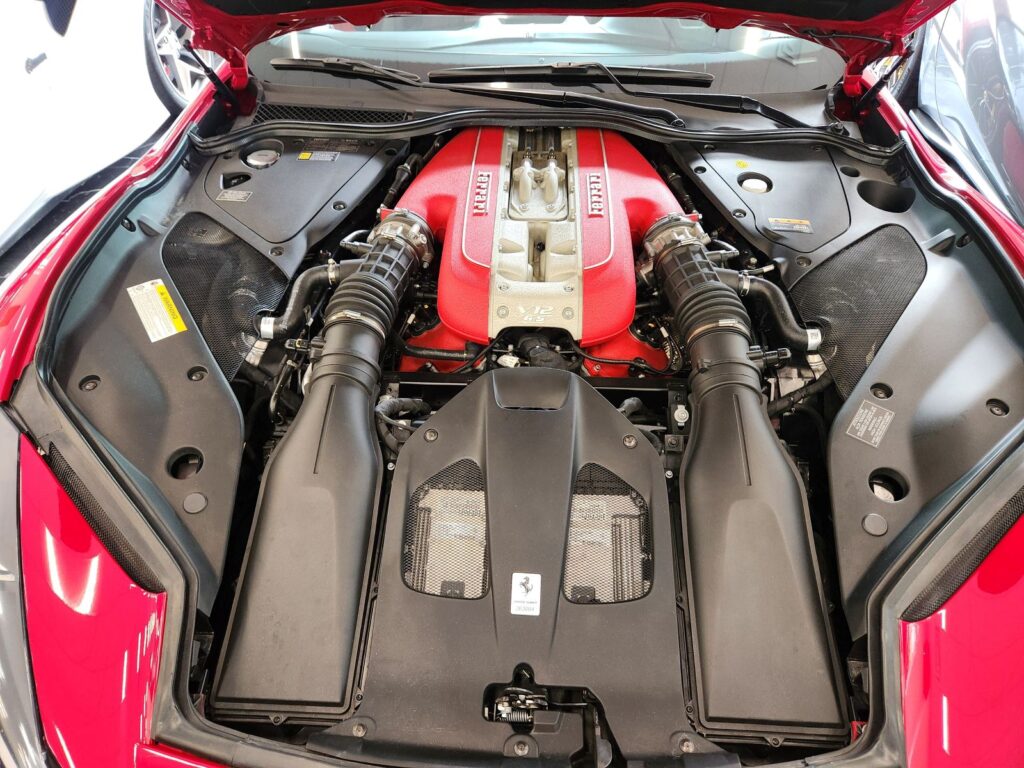
For a high-end vehicle, “good enough” is never actually enough. I recently inspected a late-model European sports car where the collision center had utilized aftermarket cooling components and non-OEM front-end sensors to save on costs. While the car appeared functional, the lack of factory-backed precision led to recurring calibration errors. More importantly, when the owner attempted to sell the car, the savvy buyer’s independent car appraisal immediately flagged these parts, resulting in a significant reduction in the offer.
The Financial Reality of Factory Repair Standards
Manufacturers spend billions of dollars on research and development to ensure that every bolt, sensor, and panel works in perfect harmony. Factory repair standards are designed to replicate this harmony after an accident. When a shop bypasses these standards by using “alternative” parts, they are essentially altering the engineering of the vehicle.
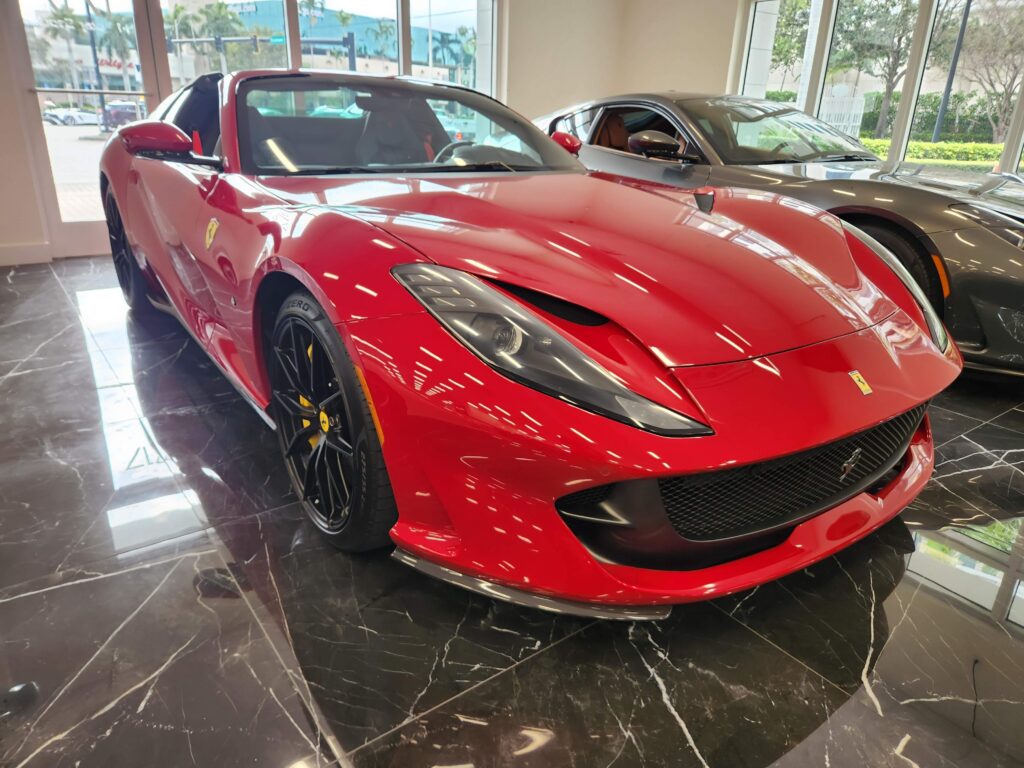
In my experience as an independent auto appraiser, I’ve seen that the market treats aftermarket parts on a luxury vehicle as a major red flag. For exotic marques like Ferrari or Lamborghini, using anything other than genuine parts can trigger a loss in value that far exceeds the initial savings. The market perceives these parts as a sign that the repair was performed with an eye on the bottom line rather than the integrity of the vehicle.
Market Dynamics in Miami, Palm Beach, and Naples
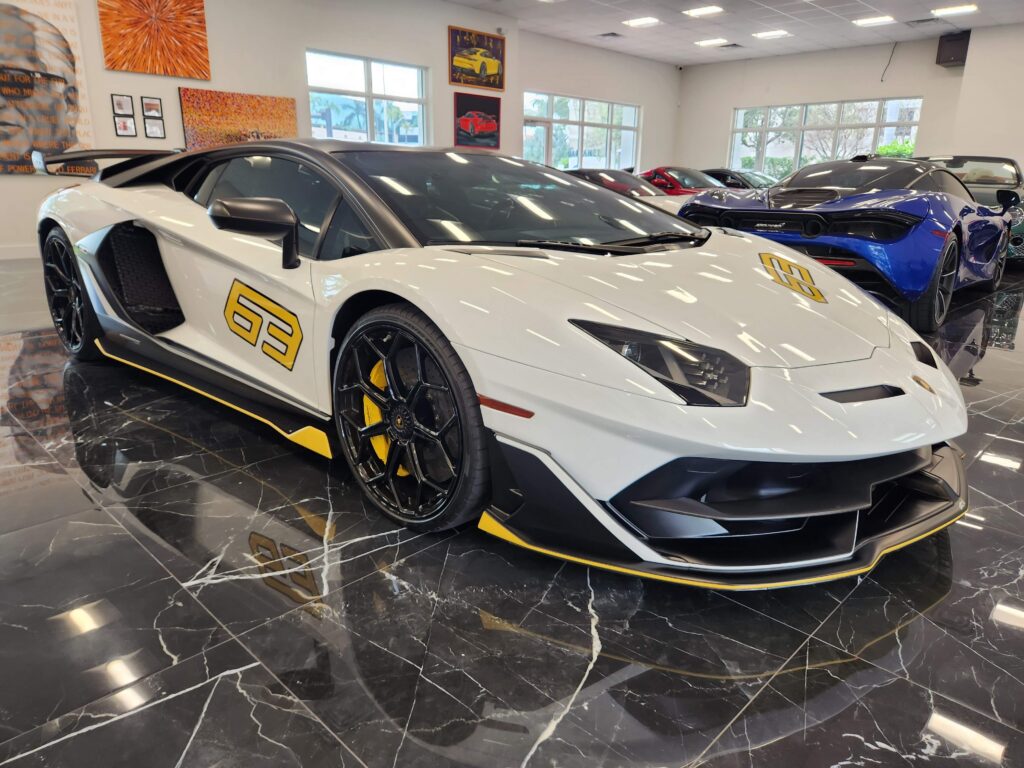
In highly competitive luxury markets like Miami and Palm Beach, the exotic car diminished value is dictated by a buyer pool that demands absolute perfection. When I perform an exotic car appraisal in South Florida, I have to account for the fact that the local market is saturated with “clean” examples of the same models. Whether you are trading in a Ferrari in Naples or selling a McLaren in Miami, a single accident entry on a history report acts as a permanent price anchor.
In these regions, buyers frequently utilize paint meters and third-party inspections as a standard part of the transaction. Because the inventory of high-end vehicles is so dense in South Florida, any vehicle with a repair history is immediately pushed to the bottom of the pile. This local market reality is why an independent auto appraisal is a mandatory step for owners who wish to recover their lost equity from an insurance carrier.
Assessing Structural Repair Quality and Safety
When we move beyond cosmetic panels and into the chassis, the stakes become even higher. Structural repair quality is non-negotiable. Modern vehicles utilize high-strength steels and complex alloys that require specific joining methods and genuine structural components to maintain their safety rating.
If an independent auto appraisal reveals that aftermarket structural reinforcements were used, the vehicle’s marketability is often permanently damaged. Buyers in the high-end segment are not just paying for performance; they are paying for the peace of mind that the car will protect them in a subsequent collision. A deviation from factory structural components guts that confidence and, by extension, the vehicle’s resale value.
Strategic Guide: Professional Valuation
Was your high-end vehicle repaired with non-factory parts? We specialize in identifying how these choices impact your final settlement. Learn more about our Diminished Value Appraisal Services
Why Exotic Car Appraisal Requires a Specialized Eye
Valuing a supercar after a repair is a delicate process that standard insurance software is simply not equipped to handle. During an exotic car appraisal, I look for the subtle cues that indicate a departure from factory standards. This includes inspecting the “weave” of replaced carbon fiber, and verifying the thickness of the refinished areas.
For owners in Naples or Boca Raton, an independent car appraisal is often the only way to prove to an insurance carrier that “like kind and quality” parts are a myth in the exotic segment. There is no such thing as an “equivalent” aftermarket bumper for a McLaren; there is the factory part, and then there is everything else.
Strategic Guide: Total Loss Accuracy
Is the insurance company undervaluing your exotic’s market value? Automated reports often fail to account for the premium cost of genuine components. Verify your vehicle’s value with a Total Loss Appraisal
The “Aftermarket Stigma” in Dealer Trade-Ins
As I discussed in our previous look at why dealers slash trade-in offers, dealerships are experts at spotting non-OEM repairs. When a trade-in inspector sees aftermarket headlights or a non-factory radiator support, they immediately adjust their offer toward the wholesale floor. They know that they cannot sell that vehicle as “Certified Pre-Owned,” and they will have to disclose the non-standard repairs to any future retail buyer.
This is why an independent auto appraisal is so critical immediately following a repair. By documenting the use of inferior parts, we can help you build a case for diminished value that reflects the actual market hit you will take when it’s time to sell.
Strategic Guide: Florida Diminished Value Law
Florida law provides avenues to recover the loss caused by inferior repairs. Ensure your claim is backed by technical evidence. Understanding Florida Diminished Value Law
Managing the Insurance Dispute Over Parts
Insurance adjusters are trained to push for aftermarket or “recycled” parts to minimize the payout. However, as an independent auto appraiser, I often remind my clients that their policy, or the at-fault party’s liability, should cover the cost of returning the vehicle to its pre-loss condition.
For high-end assets, pre-loss condition means genuine parts. If your car was hit, and the insurance company is refusing to pay for OEM components, you need a certified valuation document that explains the economic impact of that decision. As noted in our guide on what belongs in a certified appraisal report, your evidence must be technical, defensible, and based on real-world market behavior.
Strategic Guide: Florida Claim Education
Don’t let an adjuster’s “formula” dictate the quality of your car. Learn how to recover the market loss in value after repairs. Read our Diminished Value Claim Guide
Final Thoughts from the Field
In the automotive world, the components under the paint are just as important as the finish itself. OEM vs aftermarket parts quality is a defining factor in the longevity, safety, and resale value of your vehicle.
If you are an owner of a luxury or exotic vehicle, you have a right to expect that your asset is maintained to the highest standards. My role as an independent auto appraiser is to ensure that when those standards are compromised, you are fairly compensated for the resulting loss in value. We use technical data and decades of experience to ensure the insurance company respects the integrity of your investment.
Is “Like Kind and Quality” (LKQ) the same as an OEM part?
Not necessarily. LKQ is an insurance industry term that often refers to used (recycled) or aftermarket parts. While they may fit, they lack the manufacturer’s warranty and the “virgin” status of a new OEM part, which is a major factor in exotic car appraisal.
Can I insist on OEM parts for my high-end vehicle repair?
Yes, but depending on your policy, you may have to pay the “price difference.” However, if you are a third-party claimant (the accident wasn’t your fault), you have a stronger legal standing to demand that your vehicle be returned to its exact factory state.
Does using aftermarket parts void my vehicle’s warranty?
The Magnuson-Moss Warranty Act generally prevents a manufacturer from voiding a warranty solely because an aftermarket part was used. However, if that specific part causes a failure in a related system, that repair will likely not be covered.
How does an independent car appraisal detect aftermarket parts?
A professional independent auto appraiser uses several methods, including checking for manufacturer logos on parts, inspecting for “DOT” stamps often found on aftermarket lights, and measuring panel fitment and paint depth which often vary with non-OEM components.
Why does the market penalize aftermarket parts so heavily on exotics?
The exotic market is driven by collectors and enthusiasts who value originality and “pedigree” above all else. Any deviation from the way the car left the factory in Maranello, Stuttgart, or Woking is seen as a compromise that requires a price discount to overcome.