
 Call us now:

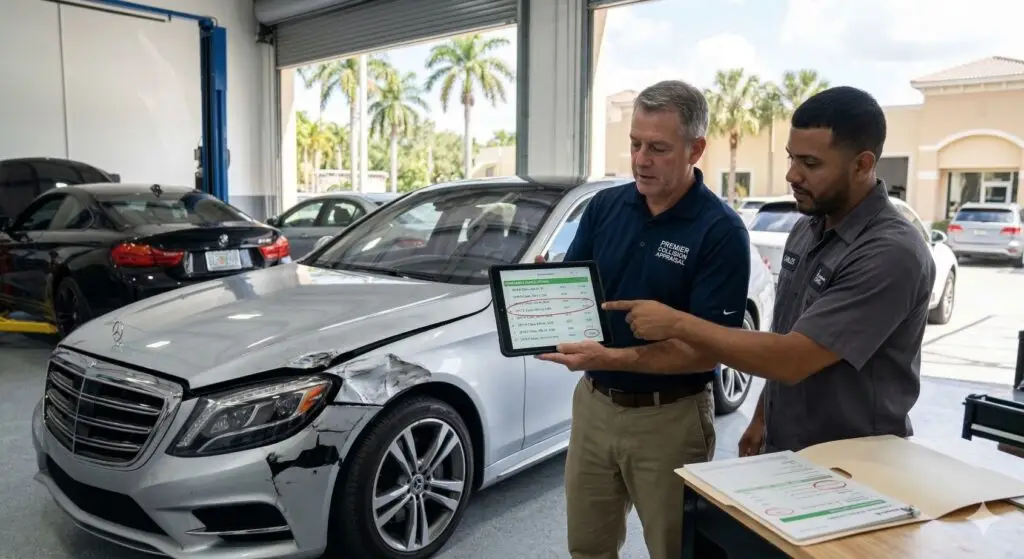
Total Loss Valuation Guide
Before you can tell whether a total loss offer is fair, you need to understand how the insurer built the number. This guide explains the data sources, third-party valuation tools, comparable vehicles, and adjustments insurers use — and where those numbers can sometimes go wrong.
Key Takeaways About Total Loss Valuation
01
Insurers estimate the vehicle’s actual cash value immediately before the accident.
02
Comparable vehicles, mileage, equipment and condition influence the calculation.
03
Even small differences between comparables can affect the settlement offer.
04
Incorrect vehicles, options or adjustments can result in an inaccurate valuation.
05
Some first-party valuation disputes may be resolved through an appraisal clause.
How the Number Is Built
How Insurance Companies Determine Total Loss Value
Insurance companies determine total loss value by estimating the vehicle’s actual cash value (ACV) immediately before the accident occurred. The process typically relies on automated valuation reports that analyze comparable vehicle listings, vehicle options, mileage, condition, and regional market data.
Definition
Actual Cash Value (ACV)
Actual Cash Value (ACV) is the estimated market value of your vehicle immediately before the accident occurred. Insurance companies typically calculate ACV using comparable vehicles, mileage, factory options, vehicle condition, and regional market data to determine what the vehicle would likely have sold for before the loss.
Most insurers obtain valuation reports from third-party providers such as CCC Intelligent Solutions, Mitchell, or Audatex / Solera. These systems analyze vehicle listings and apply adjustments intended to estimate what the loss vehicle would likely sell for in the open market.
Auto Praise regularly reviews insurance valuation reports on behalf of Florida vehicle owners. During these reviews, we frequently identify issues involving comparable vehicles, missing factory options, mileage adjustments, condition ratings, and valuation methodology that can materially affect the settlement amount.
After years of performing vehicle inspections and total loss appraisals throughout Florida, one thing we consistently find is that settlement values can depend as much on the quality of the underlying data as they do on the vehicle itself.
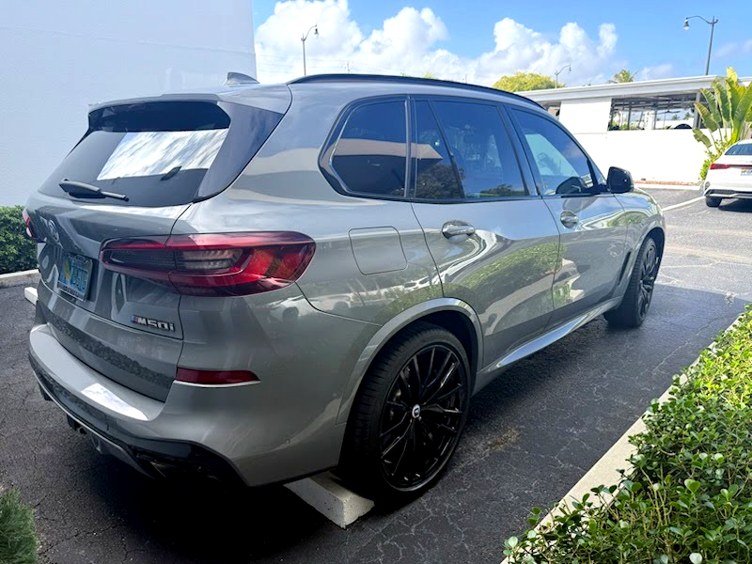
Accurate vehicle valuation depends on mileage, equipment, condition, comparable vehicles and regional market data.
Understanding the Process
What Is a Total Loss Valuation?
A total loss valuation is the process used by an insurance company to determine the market value of a vehicle immediately before the accident occurred.
Insurance policies generally require insurers to determine the vehicle’s actual cash value at the time of loss. To estimate that value, insurers commonly rely on third-party valuation systems and comparable vehicle listings.
Common valuation providers include:
- CCC Intelligent Solutions
- Mitchell
- Audatex / Solera
While these systems provide a standardized framework, the accuracy of the result depends heavily on the quality of the comparable vehicles selected and the adjustments applied to them.
The Foundation of the Report
The Role of Comparable Vehicles in Total Loss Valuation
The foundation of most insurance valuation reports is comparable vehicle analysis. This process identifies vehicles that are similar to the one that was declared a total loss.
Strong comparable vehicles should generally have:
- The same make and model
- A similar model year
- Similar mileage
- A similar trim level and factory equipment
- A location within the same relevant regional market
The goal is to determine what buyers are actually paying for similar vehicles in the marketplace.
Problems arise when the vehicles selected are not truly comparable. A report may include vehicles with substantially higher mileage, missing options, different trim levels, or listings from markets that do not accurately represent the insured vehicle’s local market.
One of the most important factors used in insurance valuation reports is comparable vehicle data. Our guide to comparable vehicles in total loss valuation explains in greater detail how these comparisons can influence the settlement amount.
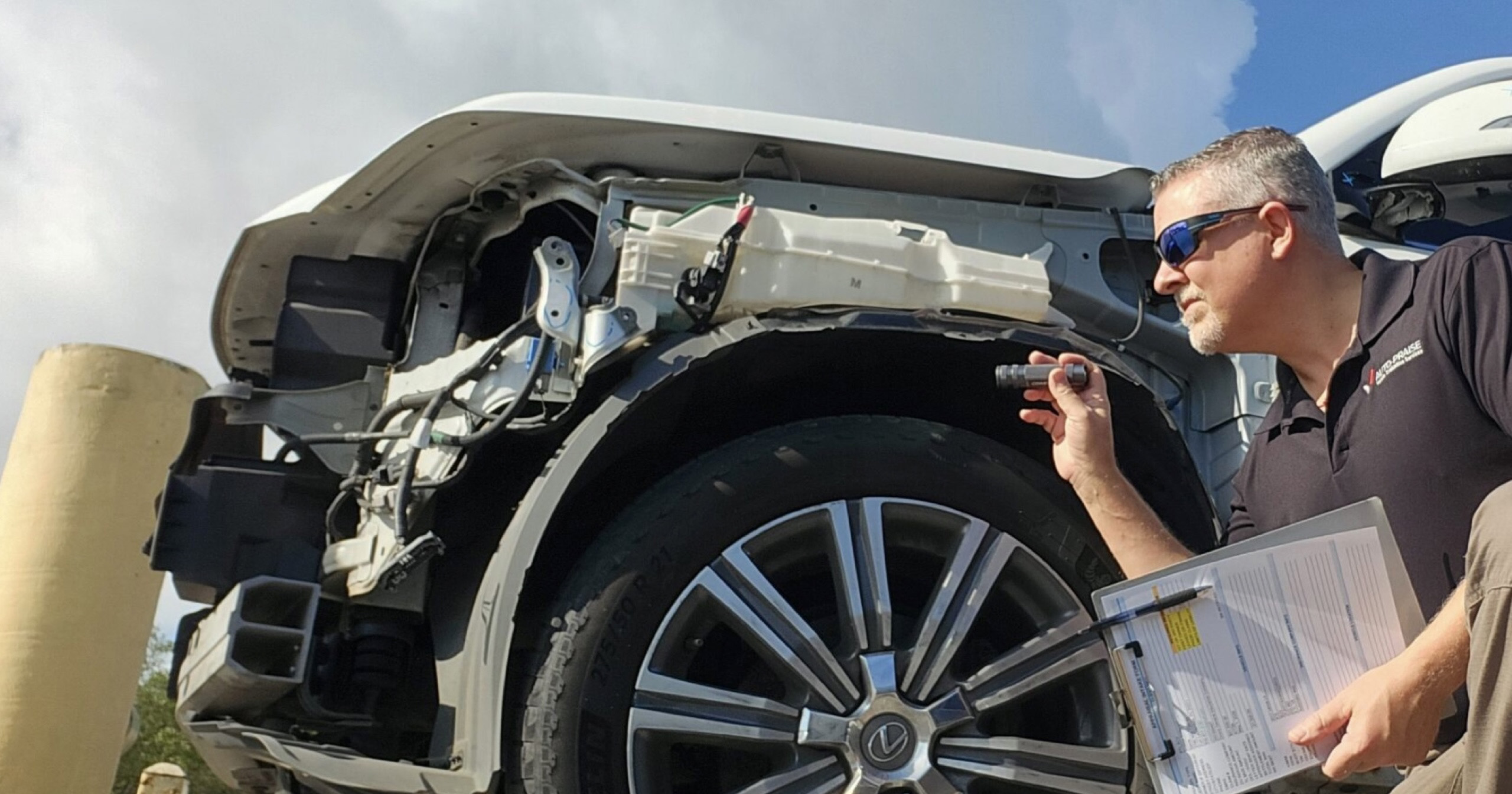
Comparable vehicle research requires more than matching make and model; equipment, mileage, condition and market location all matter.
Inside the Valuation Report
How Insurance Valuation Reports Apply Adjustments
Once comparable vehicles are identified, valuation software applies adjustments intended to estimate what each comparable vehicle would be worth if it more closely matched the insured vehicle.
Mileage
Vehicles with higher or lower mileage may receive adjustments intended to account for the difference from the loss vehicle.
Options
Navigation, premium audio, driver-assistance packages, wheels and other factory equipment may affect the comparison.
Condition
Some reports apply condition ratings based on assumptions about the vehicle immediately before the accident.
Geographic Market
Vehicle pricing varies by location, inventory and demand, making regional market selection an important part of the analysis.
Where Problems Occur
Why Total Loss Valuation Reports Can Be Incorrect
Although valuation software is widely used across the insurance industry, the result is only as reliable as the information entered into the analysis.
Some of the most common issues Auto Praise encounters when reviewing total loss valuations include:
Incorrect Trim Levels
A comparable may not match the exact trim or specification of the insured vehicle.
Missing Factory Options
Important equipment or packages may be omitted from the valuation.
Improper Mileage Adjustments
Higher- or lower-mileage vehicles may not be adjusted appropriately.
Poor Comparable Selection
Vehicles that differ materially in condition, equipment or market position may be used.
Distant Market Listings
Vehicles outside the relevant geographic market may not reflect local pricing.
Unavailable or Inaccurate Listings
Listings may no longer be active or may not accurately represent an actual market transaction.
Even seemingly small discrepancies can materially affect the calculated settlement value.
If the valuation report contains inaccurate comparable vehicles, missing equipment, or questionable adjustments, our guide explaining what to do if your insurance company undervalued your car in a total loss explains how these situations are often addressed.
If You Disagree With the Number
What Happens If the Insurance Valuation Is Incorrect?
If a valuation report contains incorrect comparable vehicles, missing options, or inaccurate adjustments, the resulting settlement offer may be lower than the vehicle’s true pre-loss market value.
Policyholders may first attempt to resolve the difference through documentation and negotiation. Our article on total loss settlement negotiation explains how valuation disputes can progress when the vehicle owner and insurer disagree.
In certain first-party claims filed under the vehicle owner’s own insurance policy, another potential option is the appraisal clause.
STEP 01
Each Side Selects an Appraiser
The policyholder and insurance company appoint independent appraisers to evaluate the disputed vehicle value.
STEP 02
The Values Are Compared
Each appraiser reviews market data, comparable vehicles, equipment, condition and valuation methodology.
STEP 03
An Umpire May Be Used
If the appraisers cannot agree, the policy may provide for an impartial umpire to assist in resolving the dispute.
Important Distinction
First-Party vs. Third-Party Claims
The appraisal clause generally applies to first-party claims filed under your own insurance policy when that policy contains an applicable appraisal provision. Claims filed against another driver’s insurance company are different and typically do not use your own policy’s appraisal clause.
For a detailed explanation of how the process works, see our guide to invoking the total loss appraisal clause.
Independent Review
When a Professional Vehicle Appraisal May Be Needed
When the insurer’s valuation does not appear to accurately reflect the vehicle’s pre-loss market value, an independent professional appraisal may provide a second analysis based on the vehicle and the marketplace.
A proper appraisal can include:
- Detailed comparable vehicle research
- Analysis of vehicle options, mileage and condition
- Verification of relevant market listings
- An explanation of the valuation methodology used
Independent appraisals may be used to support negotiation or a formal dispute process, depending on the circumstances of the claim.
Auto Praise provides independent total loss appraisal services for vehicle owners throughout Florida.
Real-World Example
A Total Loss Valuation Dispute in Florida
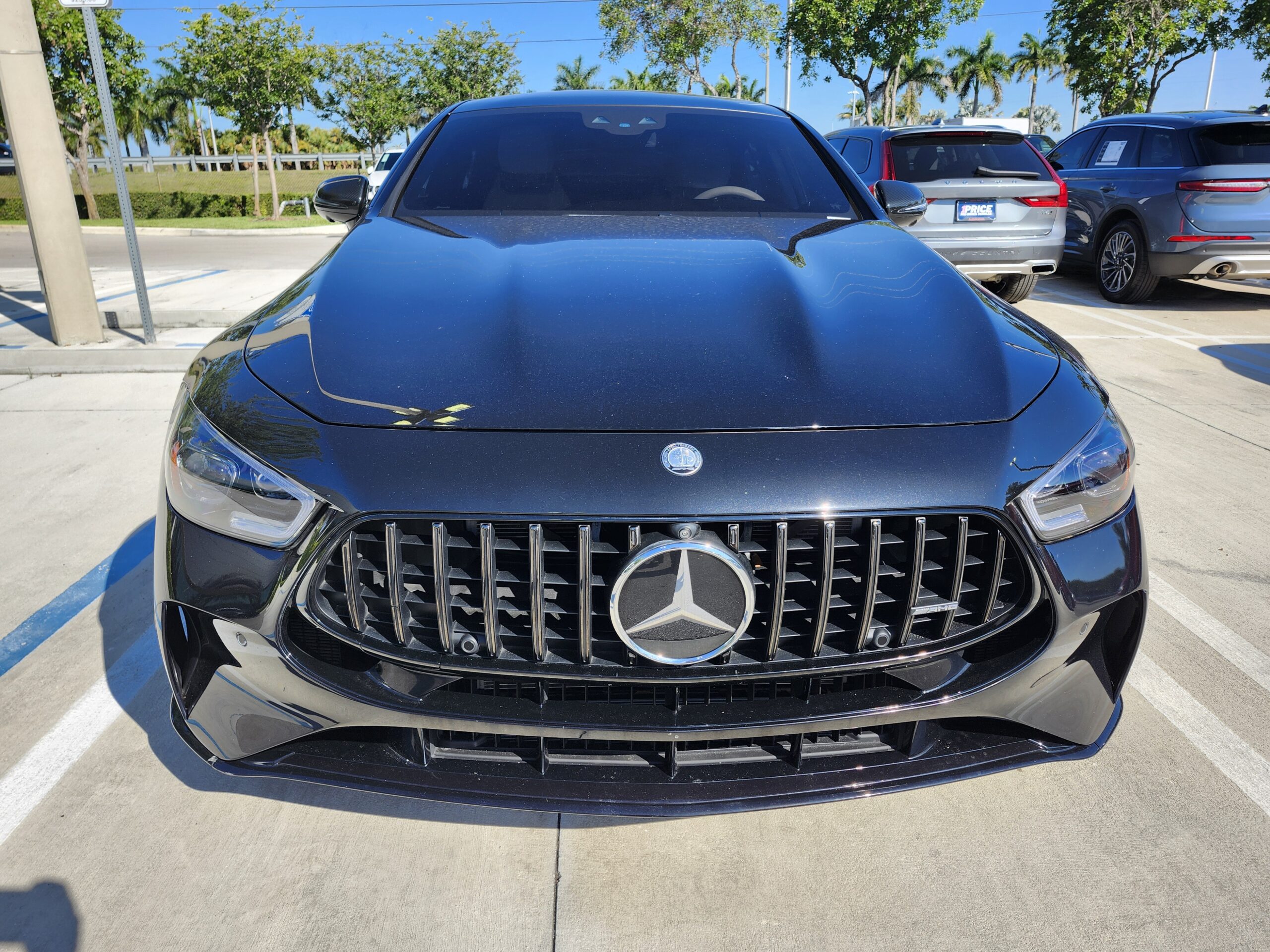
+$3,679One recent Florida total loss claim demonstrates how significantly accurate comparable vehicle selection can affect a vehicle’s final settlement value.
The insurance company’s valuation relied on comparable vehicles that omitted factory equipment and included significantly higher mileage than the insured vehicle. After the valuation report was independently reviewed and corrected through the appraisal process, the vehicle’s agreed value increased by $3,679.
See the complete example: Read our Orlando Mercedes-Benz total loss case study to see how the appraisal process reached that outcome.
The Bottom Line
Understanding the Total Loss Valuation Process
For many vehicle owners, a total loss valuation report is unfamiliar and difficult to interpret. The report may contain pages of comparable vehicles, adjustments, condition ratings, and market data, but understanding how those pieces were used is the first step toward deciding whether the settlement offer is reasonable.
Carefully reviewing the comparable vehicles, equipment, mileage, condition, and geographic market can reveal whether the insurer’s analysis accurately represents the vehicle that was lost.
Auto Praise specializes in independent total loss appraisals and insurance valuation disputes throughout Florida, helping vehicle owners determine whether an insurance settlement accurately reflects their vehicle’s true market value.
Free Claim Review
Not Sure Whether Your Total Loss Offer Is Fair?
Insurance valuation reports are not always accurate. Errors involving comparable vehicles, mileage, condition, or factory equipment can affect the settlement amount. Auto Praise can review your insurer’s valuation report and help determine whether the offer accurately reflects the vehicle’s pre-loss market value.
Call Now – Free Claim Review 754-210-9807I-CAR Platinum Certified Auto Physical Damage Appraisers • IACP Certified Auto Appraisers • Florida Licensed Adjusters