
 Call us now:


Total loss and constructive total loss describe the same financial outcome, a payout instead of a repair, but they get there in different ways. To answer what does total loss mean on a car in the broadest sense: it means the insurer has decided a payout makes more financial sense than a repair. Actual total loss means the vehicle itself is physically destroyed or unsalvageable. Constructive total loss means the math crossed a line: the cost to repair the vehicle reached a set percentage of what it was worth before the loss, even though the vehicle could still, mechanically, be fixed.
TL;DR: Total loss and constructive total loss aren’t interchangeable terms for the same thing, one describes physical condition, the other describes a calculation. In Florida, that calculation runs the repair cost against the state’s 80% threshold, and which type applies to your vehicle affects whether you have any real room to negotiate keeping it.
What Is Constructive Total Loss
Constructive total loss is a determination based on cost, not condition. It applies when the repair estimate reaches the percentage threshold a state sets for declaring a vehicle a total loss, even if the vehicle is physically repairable.
That’s the part most owners find counterintuitive about total loss and constructive total loss: a car that could, mechanically, be put back on the road can still be declared a total loss on paper, because the insurer’s math says repairing it doesn’t make financial sense relative to its pre-loss value. The vehicle’s condition and the insurer’s determination are answering two different questions.
Constructive Total Loss, Economic Total Loss, and the Total Loss Formula
Terminology in this area is genuinely inconsistent across the industry, and that inconsistency is the source of a lot of confusion about how the threshold actually works.
Constructive total loss is the term most commonly used with vehicle owners to describe a repairable car that has been totaled on economics rather than on condition. Some claims and subrogation references reverse the labels, using constructive total loss for a vehicle that is physically demolished and economic total loss for the cost-based determination. When the term appears in a settlement discussion, it’s worth confirming which meaning the other side intends.
Economic total loss generally refers to a broader calculation an insurer may run internally: repair costs, including anticipated supplements, plus related costs such as rental, measured against the vehicle’s actual cash value less what the damaged vehicle is expected to bring at salvage.
That distinction matters because of how states are structured:
- Total Loss Threshold (TLT) states, including Florida, set a fixed percentage in statute. The comparison is repair cost against the vehicle’s pre-loss value. Salvage value is not part of the equation.
- Total Loss Formula (TLF) states have no statutory percentage, so insurers apply an internal formula, commonly repair cost plus salvage value measured against actual cash value.
Florida is a threshold state. Any explanation of Florida’s 80% rule that adds salvage value into the calculation has borrowed the formula used in non-threshold states, and it will overstate how quickly a vehicle crosses the line.
Florida’s Total Loss Threshold
Florida’s total loss threshold is set at 80%. Under Florida Statute § 319.30(3)(a)1., a vehicle is a total loss when the cost of repairing or rebuilding it is 80 percent or more of the cost of replacing it with one of like kind and quality. The comparison is repair cost against pre-loss value. Salvage value does not enter into it. Our full breakdown of Florida’s 80% rule covers the calculation in more detail.
Understanding the Florida total loss threshold matters because it’s a formula, not a judgment call about whether the car “looks totaled.” A vehicle with damage that appears moderate from the outside can still cross the Florida total loss threshold once the estimate is written completely, particularly once hidden structural damage surfaces during teardown and supplements are added. That is exactly why constructive total loss determinations sometimes surprise owners who expected a straightforward repair.
It’s also worth knowing that insurers frequently total vehicles before repair costs reach the statutory 80%. An estimate written at 65 to 70 percent of a vehicle’s value often signals to a carrier that supplements will push the job past the line once the vehicle is disassembled, so the total loss decision gets made early. That is a business decision by the carrier, not a statutory requirement, and it does not change your right to challenge the value the carrier assigned to your vehicle.
Actual Total Loss vs. Constructive Total Loss
Actual total loss and constructive total loss reach the same settlement outcome through different paths. An actual total loss is declared because the vehicle is physically beyond repair, flood submersion, fire, or catastrophic structural failure are common examples. A constructive total loss is declared because the numbers crossed the threshold, regardless of whether the vehicle could technically still be fixed.
| Actual Total Loss | Constructive Total Loss | |
| Basis for determination | Physical condition of the vehicle | Repair cost measured against pre-loss value |
| Is the vehicle still repairable? | No, by definition | Often, yes |
| Common triggers | Fire, flood, catastrophic collision | Moderate to severe damage whose repair estimate reaches or approaches 80% |
| Room to negotiate keeping the vehicle? | Rarely | Sometimes, through a salvage buyback |
Why the Difference Between the Two Matters for Your Settlement
The distinction between total loss and constructive total loss matters most at the point where an owner decides what to do next. Both typically result in the same type of settlement offer based on the vehicle’s actual cash value, but only a constructive total loss leaves room to negotiate a salvage buyback, since the vehicle wasn’t physically destroyed to begin with.
That option matters enormously on a vehicle that’s hard to replace: a low-mileage example, a discontinued model, or a vehicle with sentimental or collector value. Consider a vehicle with a pre-loss value of $20,000 and moderate collision damage. If the repair estimate comes in at $16,500, that’s 82.5% of pre-loss value, past Florida’s 80% threshold, and the vehicle is a constructive total loss even though it’s fully repairable. The owner may be able to negotiate a salvage buyback and complete the repair independently. If the same vehicle had instead been submerged in a flood, the actual total loss determination would apply, and buying it back wouldn’t be a realistic option regardless of the numbers. Keep in mind that salvage value still affects your money, just at a different stage. It isn’t part of deciding whether the vehicle is totaled, but if you retain the vehicle, the carrier deducts what it expected to receive at salvage from your settlement.Keep in mind that salvage value still affects your money, just at a different stage. It isn’t part of deciding whether the vehicle is totaled, but if you retain the vehicle, the carrier deducts what it expected to receive at salvage from your settlement. Our breakdown of what happens after a total loss determination covers that process in more detail. Before accepting a settlement figure, it’s worth confirming which type of total loss determination actually applies, since that determines what options are realistically on the table.
How Auto Praise Helps Florida Vehicle Owners Navigate a Total Loss Determination
When we review a Florida total loss determination, our first step is confirming what the carrier actually measured, and whether the repair estimate and the pre-loss value used in that calculation reflect the vehicle’s real condition rather than a desk estimate. An independent comparable-sales-based valuation often produces a different actual cash value than the insurer’s internal figure, and because the threshold is a percentage of that value, a low value figure makes a vehicle look totaled sooner than it should.
Our total loss appraisal service documents that valuation independently, sourcing comparable sales specific to the vehicle and region rather than relying solely on the insurer’s internal tools. That documentation matters whether the determination turns out to be an actual total loss or a constructive total loss, since either way, the settlement figure starts from the same actual cash value number.
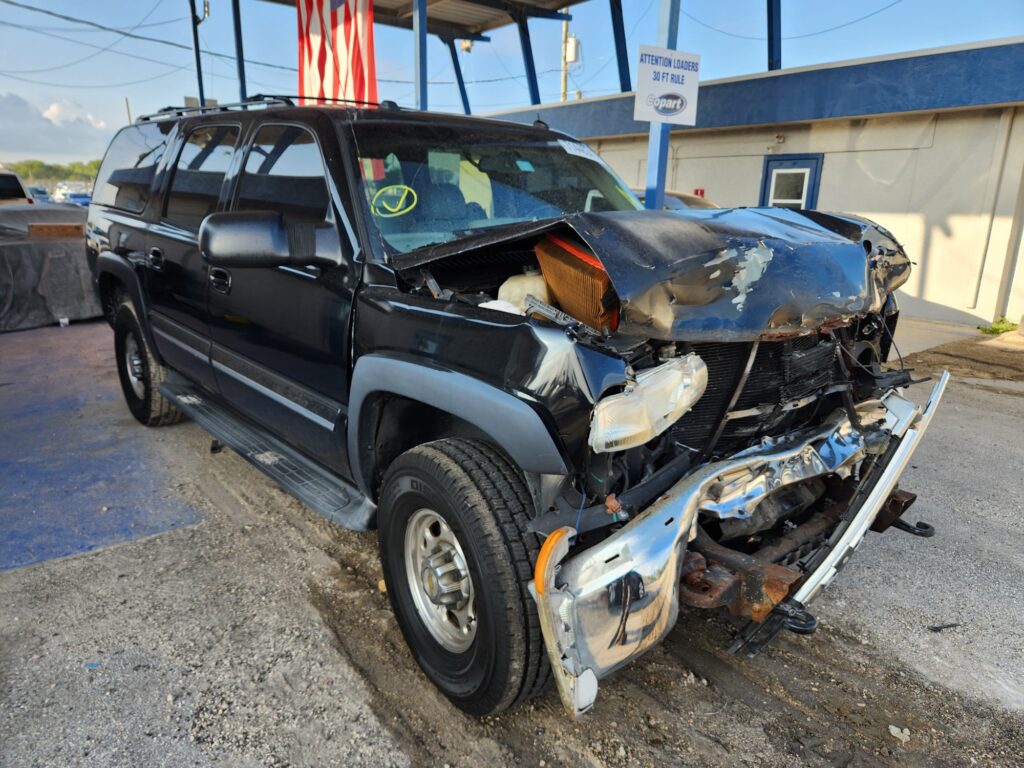
Total loss and constructive total loss lead to similar settlement outcomes, but they start from different determinations, one based on physical condition, the other on repair cost measured against Florida’s 80% threshold. Knowing which type applies to your vehicle is what determines whether a salvage buyback and keeping the car are realistically on the table.
Get a Total Loss Appraisal Review
If you believe your insurer’s total loss offer may not accurately reflect your vehicle’s value, Auto Praise can provide an independent review and valuation consultation before you accept a settlement.
Frequently Asked Questions
What does total loss mean on a car in plain terms?
It means the insurer has determined that repairing the vehicle isn’t financially justified relative to its pre-loss value, so instead of paying for repairs, the insurer pays out a settlement based on the vehicle’s actual cash value.
Is constructive total loss the same as a salvage title?
Not automatically. A constructive total loss determination is what leads to the settlement decision, but a salvage title is a separate outcome that typically follows once the vehicle is officially declared a total loss and the title is branded accordingly.
Can I keep my car after a constructive total loss in Florida?
Often, yes, through a salvage buyback, since the vehicle wasn’t necessarily destroyed, only calculated to have crossed the cost threshold. Your settlement will be reduced by the salvage value, and the vehicle will require inspection before it can be driven again. This option is generally not available after an actual total loss, since the vehicle isn’t in a condition to keep.
Does a constructive total loss always mean the insurer’s number is accurate?
No. The determination depends on the repair estimate and the pre-loss value used in the calculation, and both of those inputs can be disputed if they don’t reflect the vehicle’s actual condition or market value.
How is the total loss threshold in Florida actually calculated?
The total loss threshold Florida uses compares the estimated cost to repair or rebuild the vehicle against the cost of replacing it with one of like kind and quality. If repair cost reaches 80 percent or more of that figure, the vehicle can be declared a total loss. Salvage value is not part of this calculation in Florida.
Does salvage value factor into Florida’s 80% rule?
No. Some explanations add projected salvage value into the threshold math, but that describes the total loss formula used in states without a statutory percentage. Florida sets a fixed threshold and measures repair cost against pre-loss value. Salvage value comes into play later, as a deduction from your settlement if you choose to keep the vehicle.
What’s the difference between a constructive total loss and an economic total loss?
The terms overlap and are used inconsistently. Both describe a vehicle totaled on cost rather than on destruction. Economic total loss is more often used for a carrier’s broader internal calculation, which can include supplements, rental, and salvage proceeds, while constructive total loss is the term more commonly used with vehicle owners for a repairable car that crossed the threshold.
Why would two similar accidents result in one actual total loss and one constructive total loss?
Because the two determinations are based on different things. One reflects the vehicle’s physical condition after the accident; the other reflects a cost calculation. Two vehicles with comparable damage severity can land on either side depending on repair estimates and each vehicle’s pre-loss value.
Should I get an independent appraisal before accepting a total loss settlement?
It’s worth considering, particularly if the insurer’s actual cash value figure seems low relative to comparable vehicles in your market. An independent appraisal can confirm or challenge the number both types of total loss determinations are built on.