
 Call us now:

The insurer’s initial market valuation on this 2013 Porsche Cayenne GTS, garaged in Jupiter, Florida, came in at $20,892 following a total loss collision. Auto Praise’s independent appraisal, built around a detailed review of the vehicle’s factory-installed options, placed the value at $33,893.03. After the appraisal clause was invoked, both appointed appraisers signed a final award of $30,290 — $9,398 above the insurer’s original base vehicle value.
Case Overview
| Detail | Figure |
| Vehicle | 2013 Porsche Cayenne GTS |
| Exterior color | Black |
| Engine / drivetrain | 4.8L V8, Automatic AWD |
| Mileage at time of loss | 66,760 |
| Location | Jupiter, FL (Palm Beach County) |
| Service type | Independent total loss appraisal / appraisal clause |
| Insurer’s base vehicle value | $20,892.00 |
| Auto Praise independent appraisal value | $33,893.03 |
| Final appraisal award | $30,290.00 |
| Recovery above insurer’s base value | $9,398.00 |
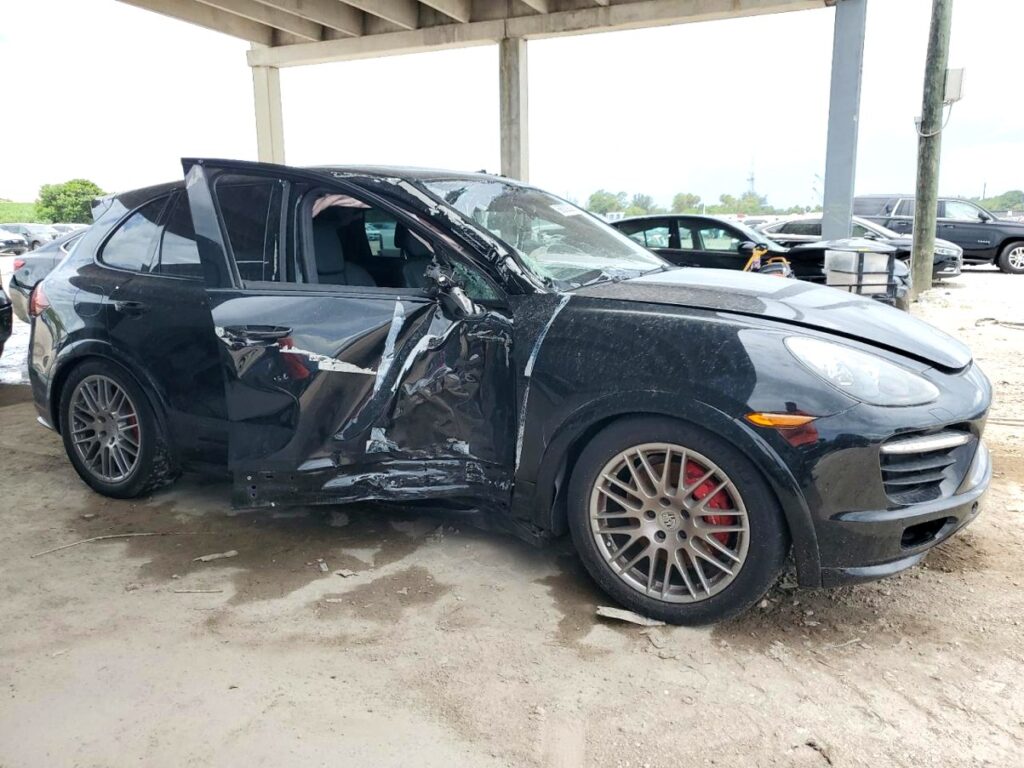
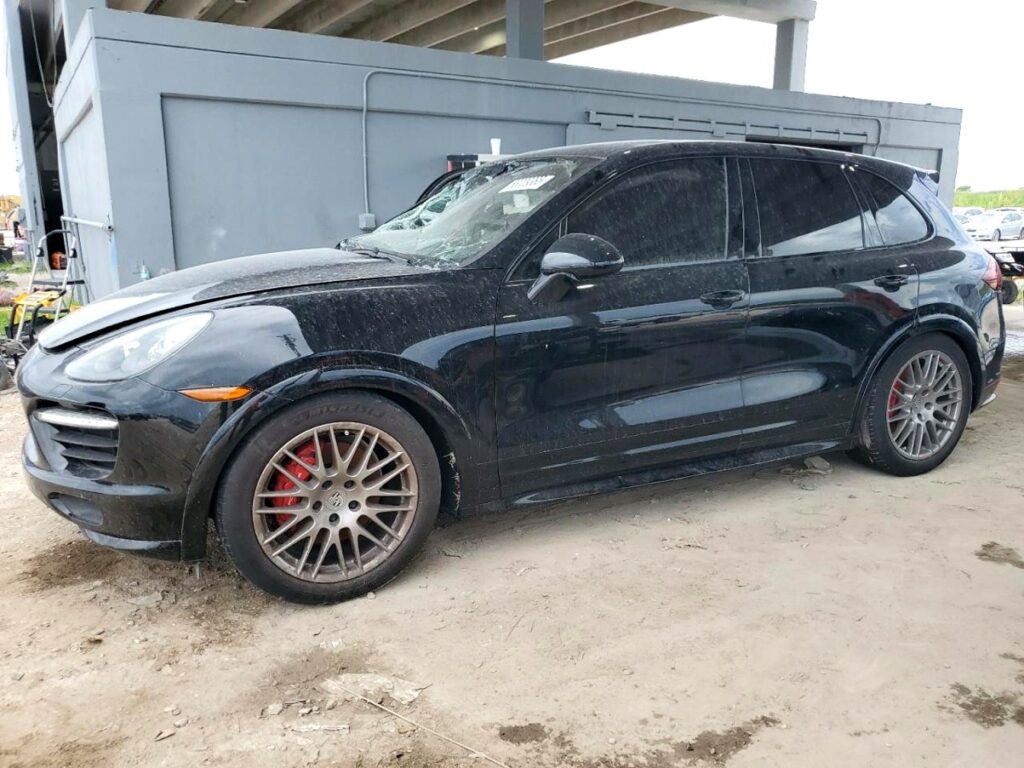
2013 Porsche Cayenne with severe driver side collision damage and shattered window in Jupiter assessed for total loss appraisal.
Florida Total Loss Appraisal & Claim Support
- Professional Authority: I-CAR Platinum & IACP Certified Appraisers with Florida 6-20 Adjuster Licensing.
- Industry Credentials: Over 30 years of specialized automotive and insurance claims experience.
- Valuation Experts: Independent Actual Cash Value (ACV) reports designed to accurately value your vehicle.
- Proven Reputation: Five-Star Rated Florida independent appraisal firm providing statewide remote and mobile support.
Jupiter, FL — Geographic Context
This vehicle was garaged in Jupiter, on Florida's northern Palm Beach County coast, an area shaped by two distinct traffic patterns: the north-south flow of US-1 (Federal Highway) and I-95, and the residential corridors running west toward Central Boulevard, Indiantown Road, and Military Trail. Jupiter Farms sits inland to the west, while the coastal stretch along A1A and the Jupiter Inlet anchors the eastern edge of the market.
Commercial activity in the area is concentrated around the Abacoa town center, Harbourside Place, and the retail corridor along Indiantown Road near I-95, which draws vehicle traffic from both Jupiter proper and neighboring Tequesta and northern Palm Beach Gardens.
The Jupiter/northern Palm Beach County market carries a distinct profile for higher-end European SUVs. Buyers in this corridor tend to shop specifically for well-optioned, low-mileage examples, and pricing reflects a willingness to pay a premium for documented factory equipment, a detail that became central to this case.
What the Insurer's Market Valuation Showed
The claim was evaluated using the insurer's automated valuation software, which pulled three comparable vehicles from dealer and private-market listings to establish a comparable vehicles baseline. The comparables were located in Hollywood, Miami, and Orlando — a wider search radius than the immediate Jupiter market, which is standard practice when closely matching local inventory isn't available. Market adjustments are applied in these cases to account for geographic differences, and that was true here as well.
The base vehicle value came to $20,892, with a $654 condition adjustment (largely tied to rear tire wear) bringing the adjusted value to $21,546. Mileage in the report — 66,760 — matched the vehicle's actual odometer reading, so mileage accuracy was not a factor in this case.
Where the automated valuation fell short was in how it weighted the subject vehicle's factory-installed options. This Cayenne GTS carried an original MSRP of $109,425, built out with more than $27,000 in factory upgrades — Porsche Dynamic Chassis Control, Torque Vectoring Plus, the Burmester surround sound system, Porsche Communication Management with navigation, heated and ventilated front seats, and a full suite of driver-assistance features. The insurer's software applied only modest options adjustments (ranging from a $75 to $961 deduction across its three comparables), which did not fully account for the gap between this heavily optioned build and the comparables selected.
The Auto Praise Independent Appraisal — Our Process
I reviewed this claim as a desk appraisal, working from the salvage facility photographs, the vehicle's original window sticker, the FLHSMV title record, and an AutoCheck vehicle history report, a common and accepted approach for total loss appraisals when a physical inspection isn't required to reach a credible conclusion. The photos documented the VIN plate, odometer, interior condition, and mechanical bay, all consistent with the mileage and condition reported in the file.
The core of my analysis centered on equipment. I pulled the original window sticker for the subject vehicle and cross-referenced it against the build sheets for three comparable GTS models, sourced from a wider national market, Tampa, Chicago, and Carmel, Indiana, since closely matching, similarly-optioned examples were limited in the immediate area. That's a normal part of the appraisal process when local inventory doesn't support a tight geographic match, and I applied depreciation-adjusted equipment values to account for the difference.
Each comparable carried significantly less factory content than the subject vehicle, one had roughly $5,200 in original options against this vehicle's $27,425. Applying a depreciation factor tied to each vehicle's percentage of original MSRP, I calculated equipment adjustments ranging from $3,478 to $6,565 across the three comparables, adjustments that were not reflected to the same degree in the insurer's own comparable vehicles analysis. Combined with the averaged comparable sales data, this supported an Actual Cash Value conclusion of $33,893.03 as of the date of loss, prepared in conformity with the Uniform Standards of Professional Appraisal Practice (USPAP).
The Appraisal Clause Process
Because the gap between the two valuations was significant, the appraisal clause built into the policy was invoked. This is a standard, first-party remedy: it is only available when the vehicle owner is filing a claim through their own insurance policy. On a third-party claim, where a different driver caused the damage and the claim is filed against the at-fault driver's insurer, the appraisal clause is not available, and claimants must pursue other means to challenge an unsatisfactory offer.
The vehicle owner retained Auto Praise as their appointed appraiser. The carrier appointed its own appraiser. As required by policy language and Florida statute, a neutral umpire was selected at the outset of the process, as is standard protocol in the event the two appraisers cannot agree. In this case, the two appraisers reached agreement directly, and the process produced a signed, binding appraisal award of $30,290.00. Under Florida law, the appraisal award is the figure the insurance carrier is then required to settle the claim for.
Outcome Summary
Final appraisal award: $30,290.00
Recovery above the insurer's base vehicle value: $9,398.00
For this vehicle owner, that recovery represented the difference between a settlement built on generic market comparables and one that accurately reflected a heavily optioned, low-mileage Cayenne GTS. Every case is different, and this outcome reflects the specific facts of this file, not a guaranteed result for future claims.
What This Case Illustrates
Factory options carry real, documentable value. A window sticker isn't just a formality, it's evidence. When a vehicle is built with tens of thousands of dollars in factory upgrades, that content needs to be quantified against the actual equipment level of the comparables used, not assumed away.
Automated valuation tools are a starting point, not a final answer. The insurer's automated software is a legitimate and widely used method for establishing a baseline value. The question in any specific case is whether the inputs, mileage, condition, and especially equipment, accurately reflect the real vehicle being valued.
Geographic distance in comparable selection isn't automatically a problem. When local inventory for a specialty or higher-end vehicle is limited, sourcing from a wider market and applying appropriate adjustments is standard, accepted appraisal practice, for both insurers and independent appraisers.
Desk reviews can produce defensible, USPAP-compliant conclusions. Most total loss appraisals, including this one, are completed through a thorough review of documentation, photographs, and market data rather than an in-person inspection, and can still support a credible value conclusion.
The appraisal clause exists for exactly this kind of gap. When a documented valuation dispute can't be resolved through negotiation, Florida policyholders filing first-party claims have a formal, binding path to resolution.
Pulling the original window sticker, building it out against the comparables, and quantifying a $27,000 equipment gap is documentation work, not a number pulled off a screen. That is what an independent total loss valuation adds to a claim, and here it moved the settlement $9,398.
Frequently Asked Questions
What is a total loss appraisal, and when is it needed?
A total loss appraisal is an independent, professional opinion of a vehicle's Actual Cash Value at the time of loss, typically prepared when a vehicle owner disagrees with the insurance company's valuation. It relies on comparable vehicle data, documented condition, and, where applicable, factory equipment and options. An appraisal becomes especially relevant when a vehicle has non-standard features, low mileage, or specialty packages that a general market valuation may not fully capture.
Why did the insurer's valuation and the independent appraisal differ by so much on this Porsche Cayenne?
The primary driver was equipment. This vehicle carried more than $27,000 in factory-installed options, and the comparable vehicles used in the automated valuation had significantly less factory content. The independent appraisal quantified that gap using the vehicle's original window sticker rather than relying solely on the automated software's general options adjustment.
How does the appraisal clause work for Florida vehicle owners in Jupiter and Palm Beach County?
The appraisal clause is a first-party policy provision that lets a vehicle owner and their insurer each appoint an independent appraiser when they disagree on value. It applies only when the claim is filed through the owner's own policy, not on claims against another driver's insurance. Once invoked, the two appraisers work to reach an agreed value, with a neutral umpire selected at the outset in case they cannot. For details on the process, see our Florida total loss law overview.
Does a low or unchanged mileage figure mean the insurer's offer is accurate?
Not necessarily. In this case, the mileage reported by the insurer matched the vehicle's actual odometer reading, so mileage was not the issue. An accurate mileage figure doesn't guarantee an accurate valuation — equipment, condition ratings, and comparable selection all factor into the final number just as heavily.
What should a Jupiter vehicle owner do if their total loss offer seems low?
Request a copy of the market valuation report and review the comparable vehicles listed, along with any condition or equipment adjustments applied. If the vehicle has factory options, aftermarket upgrades, or documented condition that isn't reflected, an independent appraisal can identify the gap and support a challenge to the offer.
Is the Insurance Company’s Total Loss Offer Too Low?
If the insurance company's total loss offer seems too low, Auto Praise can review the market valuation report and identify errors that may be affecting your settlement amount. We assist Florida vehicle owners statewide by reviewing comparable vehicles, adjustments, options, condition ratings, and valuation methodology to determine whether the offer is accurate.
A free claim review can help you understand whether there is a valid basis to challenge the insurance company's valuation and pursue a better settlement.
Call 754-210-9807 for a Free Review Florida Licensed Adjusters • I-CAR Platinum Certified • IACP Certified Auto Appraisers